Samsung, ASML expand partnership to introduce next-gen lithography by 2028
Samsung Electronics and semiconductor equipment giant ASML announced Tuesday that they will expand their strategic partnership on High NA extreme ultraviolet (EUV) lithography, with Samsung planning to introduce the technology into DRAM mass production by 2028 for the first time in the industry. The two companies said they will work together to accelerate the development and deployment of…
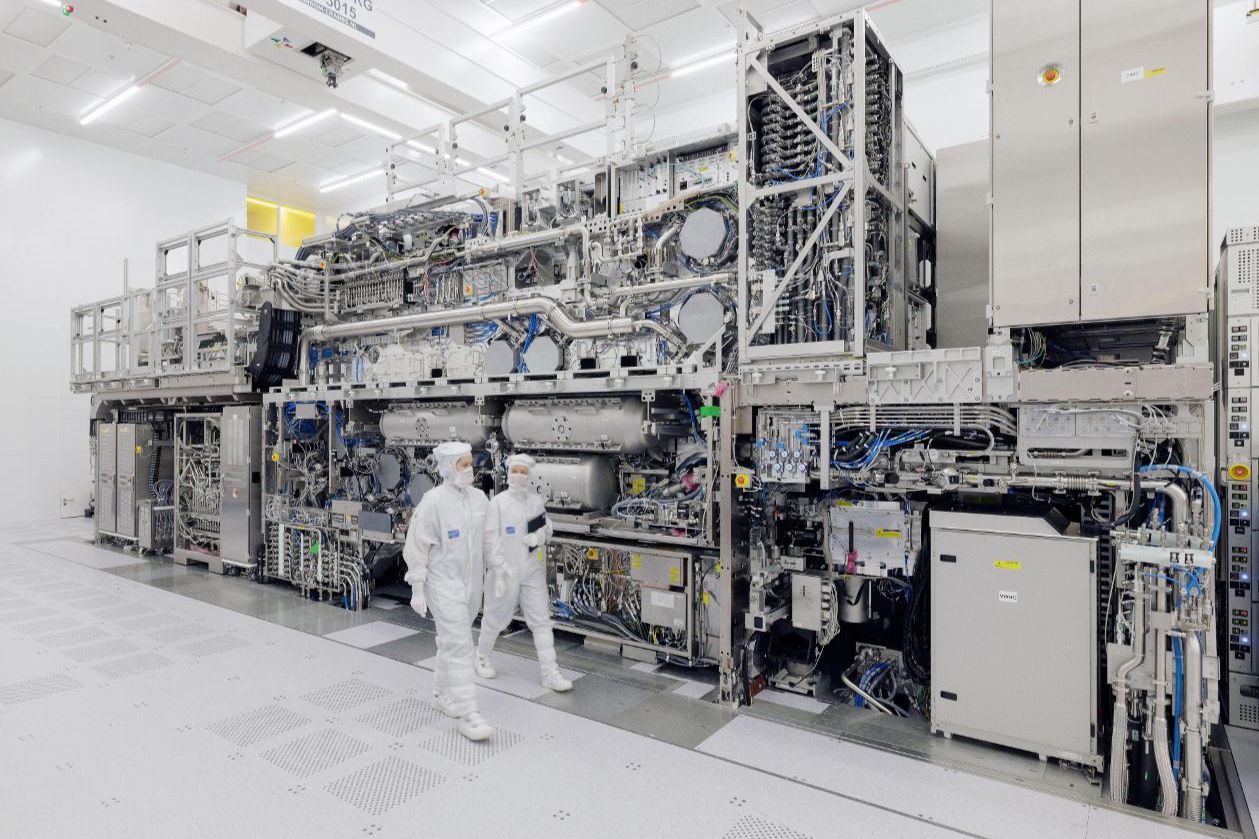
Samsung Electronics and semiconductor equipment leader ASML have announced a strengthened partnership to bring next-generation lithography technology to market by 2028. The companies aim to integrate ASML's High NA extreme ultraviolet (EUV) lithography into Samsung's DRAM (dynamic random-access memory) mass production for the first time, according to the announcement released on Tuesday.
The strategic collaboration between Samsung and ASML focuses on accelerating the development and deployment of cutting-edge technologies that will meet the escalating performance and efficiency demands of advanced semiconductor manufacturing. By working together, the two firms plan to introduce ASML's High NA EUV lithography into Samsung's DRAM production line by the year 2028.
Lithography is a critical process in semiconductor manufacturing, where geometric circuit patterns are projected onto a silicon wafer using light. In EUV lithography, the circuit pattern is formed on a photomask, EUV light reflects off the mask, an optical system reduces the image, and projects it onto the wafer. As the complexity of semiconductor technology continues to evolve, the need for increasingly fine circuit patterns grows.
To achieve finer circuit patterns, manufacturers must increase the numerical aperture (NA) of the optical system. The new partnership between Samsung and ASML will work towards enhancing this aspect of the lithography process, ensuring that Samsung can meet the industry's ever-increasing demand for advanced semiconductor solutions by 2028.
Written by urgent.news from The Korea Times's reporting — not their text. Machine-written — may contain errors; check the original before relying on it.