Russia's 160-year war on Ukrainian books
"The first step in liquidating a people is to erase its memory. Destroy its books, its culture, its history", said the historian Milan Hubl in Milan Kundera's The Book of Laughter and Forgetting. To destroy a man, first destroy his culture: this idea is neither new nor particularly singular. It was this very idea that prompted the creation of the Hague Convention in 1954, to protect cultural…
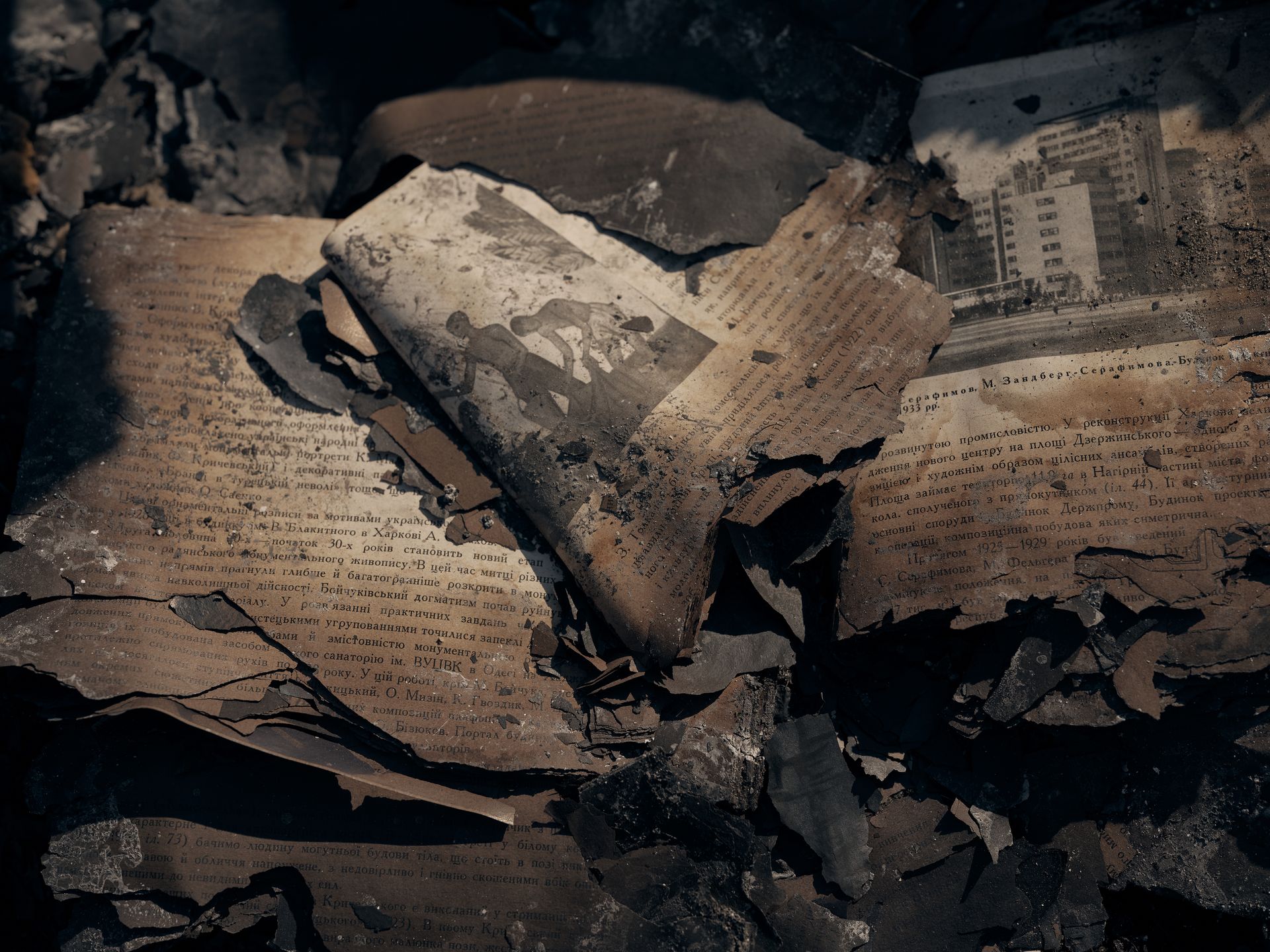
The first step in erasing a people's memory is to destroy their books, culture, and history. This idea, though not new, gained prominence with Russia's war against Ukraine. According to a BBC report, Russian strikes between August and September destroyed over 12 million books and 10% of the country's school textbooks. Ukrainian media estimates that more than a third of all books printed that year were reduced to dust.
Ukrainian printers, however, refuse to give in, with calls to buy books from targeted publishers multiplying on social media. This is not the first time Ukraine has fought to protect its culture from Muscovite oppression. In the 19th century, the Russian imperial government banned the use of Ukrainian in educational and religious publications.
In 1863, Pyotr Valuyev, the Russian Interior Minister, issued an order prohibiting Ukrainian language in such publications. A few years later, Czar Alexander II imposed a total ban on Ukrainian-language publications. Despite these attempts to suppress culture, Ukrainian books continued to circulate, sometimes smuggled across the empire.
After the Russian Revolution and the creation of the Soviet state, hundreds of Ukrainian writers and intellectuals were executed or deported, and their works destroyed. Among them were Les Kurbas, Valerian Pidmohylnyi, and Mykola Zerov, collectively known as the Executed Renaissance. Soviet libraries kept nationalist works hidden and replaced them with Kremlin-approved books.
Authors who opposed this repression, like Vasyl Stus and Ivan Dziuba, were arrested and deported. Today, nearly 2,000 schools in occupied Ukraine, teaching over 580,000 children, operate under Russian curricula, with the Ukrainian language removed as a subject. Russian history classes now claim the land was always Russian. This is a chilling reminder of the Ems Ukaz, a decree from Alexander II that banned Ukrainian-language publications, and the ongoing Russian attempts to destroy Ukrainian identity through cultural destruction.
Written by urgent.news from Kyiv Independent's reporting — not their text. Machine-written — may contain errors; check the original before relying on it.