No bed syndrome: NAS trains officers on new digital system to help ambulances find available hospital beds
The National Ambulance Service (NAS) is training its Emergency Medical Technicians (EMTs) to use a new digital referral system designed to help them identify available hospital beds in real time and reduce delays in getting emergency patients admitted. EMTs at the Ashanti Regional Dispatch Centre in Kumasi underwent a one-day training on Monday, September 7, […]
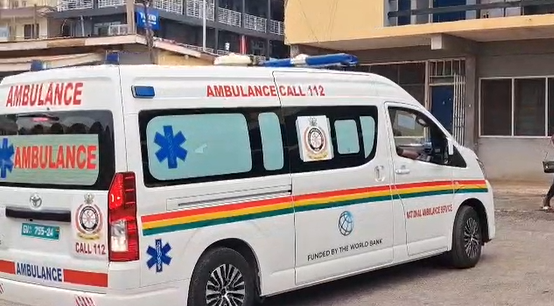
The National Ambulance Service (NAS) is equipping its Emergency Medical Technicians (EMTs) with a new digital referral system to streamline the process of finding available hospital beds and reduce delays in emergency patient admissions. On Monday, September 7, 2026, EMTs at the Ashanti Regional Dispatch Centre in Kumasi completed a one-day training on the Integrated Bed Management and Referral Coordination System (IBMRCS).
The system, developed to enhance communication between ambulance dispatch centers and health facilities, provides real-time data on hospital capacity, available beds, and specialized services. By utilizing the platform, emergency crews can avoid time-consuming calls and transfers to locate beds, enabling quicker decisions on patient transportation.
During the training, held at the Regional Dispatch Centre in Adum, facilitator Jeffrey Anyakpah imparted practical knowledge on using the system during emergency operations. Participants were reminded that an available bed should not be the sole factor in determining where to take a patient; the medical condition and the receiving facility's ability to provide appropriate care must also be considered.
The EMTs were also briefed on challenges they may face during emergency referrals, such as unavailability of suitable beds, discrepancies between system information and actual hospital situations, and disruptions caused by network or system failures. To ensure the system's effectiveness, health facilities must maintain accurate and regularly updated bed availability information.
The training is part of a nationwide rollout, with 129 EMTs already trained in the Greater Accra Region in July. This initiative aims to address Ghana's "no bed syndrome," a persistent issue highlighted by the tragic case of engineer Charles Amissah, who died after being moved between three Accra hospitals without being admitted.
The system, which includes a Dispatch Console, Referral Ambulance Pickups, and a Find Bed function, is expected to improve referral coordination, reduce ambulance waiting times, and free ambulances to respond to other emergencies. For the system to succeed, ongoing collaboration between ambulance dispatch centers and health facilities is crucial, particularly in keeping bed and service information current.
Written by urgent.news from Adom Online's reporting — not their text. Machine-written — may contain errors; check the original before relying on it.