On this day in space! Sept. 8, 2004: NASA's Genesis spacecraft crashed in the Utah desert, shattering its samples of solar wind particles from the sun
On Sept. 8, 2004, NASA's Genesis spacecraft crash-landed in Utah after its parachutes failed to deploy. Here's why it mattered.
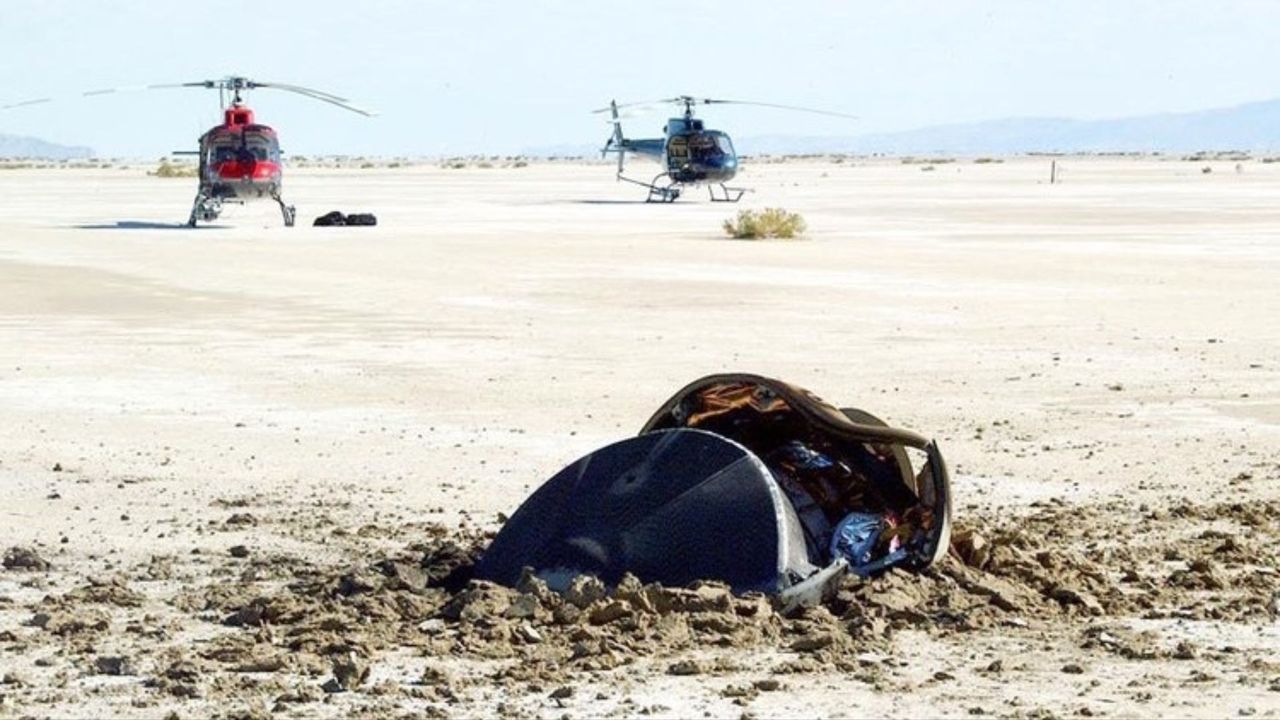
On September 8, 2004, NASA's Genesis spacecraft crashed in the Utah desert, leaving behind shatters of solar wind samples. The failure of its parachutes led to the spacecraft tumbling and impacting the desert floor. Genesis was NASA's first sample-return mission since Apollo in 1972 and aimed to bring back solar wind particles from the L1 Lagrange point, a balancing point between Earth and the sun.
The spacecraft collected samples using wafers made of ultrathin semiconductors that collected atoms and ions floating in space. However, a design flaw in the parachute system resulted in the failure to deploy, causing the spacecraft to crash instead of retrieving samples. Despite the mishap, some samples were recovered, but the result was far from successful.
The incident also prompted reviews of similar sample-return missions, ensuring proper installation of gravity switches used in such missions.
Written by urgent.news from Space.com's reporting — not their text. Machine-written — may contain errors; check the original before relying on it.
This story
This is one outlet's version. Read the fullest account.
- NASA image shows Earth’s lumpiness — exaggerated 10,000 times bigthink.com
- 25 years ago, a NASA astronaut captured this haunting photo of the 9/11 attacks — Earth from space livescience.com
- ‘Star Trek’ and NASA have intertwined legacies – the show championed diversity and inspired generations of real space scientists theconversation.com