Carbon credit financing emerges as Africa’s biggest bet for expanding clean cooking
NAIROBI, Kenya (AP) — Carbon credit financing is helping to drive Africa’s clean cooking transition by making cleaner stoves affordable for millions of low-income households. As governments introduce new policies, securing $900 million in fresh financing commitments, companies such as Kenya’s BURN are using carbon credits to subsidize electric and efficient biomass cookstoves across the […]
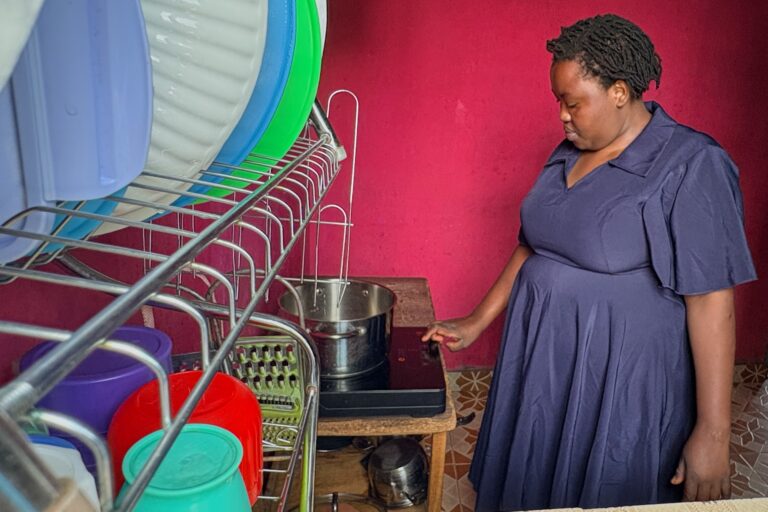
NAIROBI, Kenya - Carbon credit financing is playing a pivotal role in Africa's shift towards clean cooking solutions, making electric and biomass cookstoves more accessible to millions of low-income households. With new policies in place and $900 million in fresh financing commitments, companies like Kenya's BURN are leveraging carbon credits to subsidize these cleaner alternatives.
As households transition from charcoal stoves and open fires to these more efficient devices, advocates argue that this approach could expedite access to clean cooking, curb deforestation, and diminish hazardous household air pollution. However, the long-term viability of this initiative hinges on ongoing demand for high-quality carbon credits.
This story by Allan Olingo, originally published in The Associated Press, highlights the potential of carbon credit financing as Africa's biggest bet for expanding clean cooking.
Written by urgent.news from Mongabay's reporting — not their text. Machine-written — may contain errors; check the original before relying on it.