Hitzebedingte Sterblichkeit: Rund 16.000 Hitzetote in diesem Jahr – und nun?
Mindestens 16.000 Menschen sind hitzebedingt in diesem Jahr in Deutschland gestorben. Experten erklären, warum viele Todesfälle unentdeckt bleiben – und wie sie verhindert werden könnten.
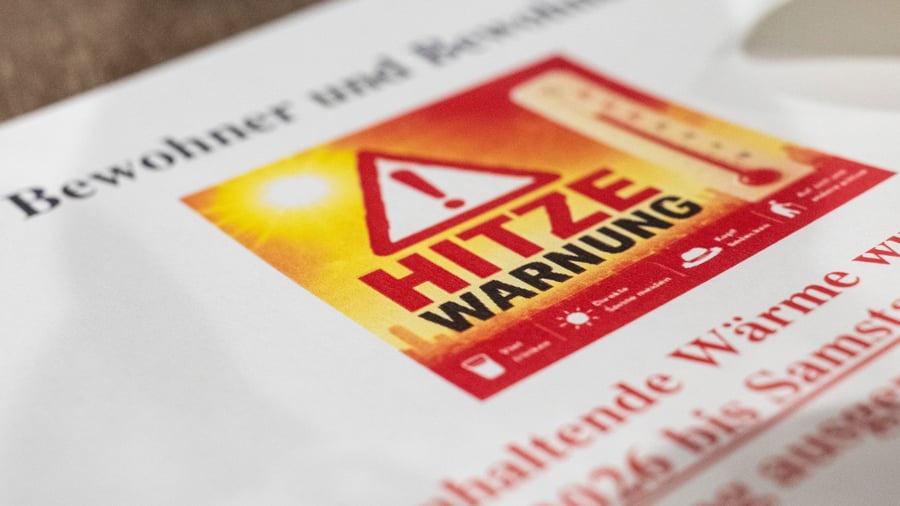
In 2026, Germany experienced a scorching summer with temperatures soaring above 40 degrees Celsius, causing a tragic loss of 16,300 lives from April 6th to August 23rd. Of these fatalities, around 9,600 were attributed to a particularly hot week between June 22nd and 28th, where unprecedented high temperatures were recorded. Another 4,500 deaths occurred in the three weeks leading up to the end of July and the first week of August.
Most of these deaths involved pre-existing conditions combined with heat stress. Experts suggest that the official estimates might be conservative, with the actual number of heat-related deaths potentially higher. The Robert Koch-Institute (RKI) calculated the number of heat-related deaths based on data from the German Federal Statistical Office and 52 weather stations operated by the German Weather Service (DWD).
A temperature threshold of 20 degrees Celsius was used to publish weekly figures. However, this threshold has no biological basis and is merely an operational limit. Alexandra Schneider, an expert in environmental risks at the Helmholtz Center Munich, warns that people can die below this threshold, especially older individuals, those with chronic illnesses, and those aged with dementia.
The intensity of heatwaves is often smoothed over by weekly averages, leading to an underestimation of the impact of very short, extreme heat episodes.
Written by urgent.news from Handelsblatt's reporting — not their text. Machine-written — may contain errors; check the original before relying on it.