Detecting defects in train wheels, preventing elephant fatalities: Railways deploys AI on tracks, trains and stations to boost safety
Artificial Intelligence is revolutionizing railway safety in India, with the Research Designs and Standards Organisation (RDSO) unveiling multiple AI-driven initiatives at the recent AI Technology Transformation Conference in Hyderabad.
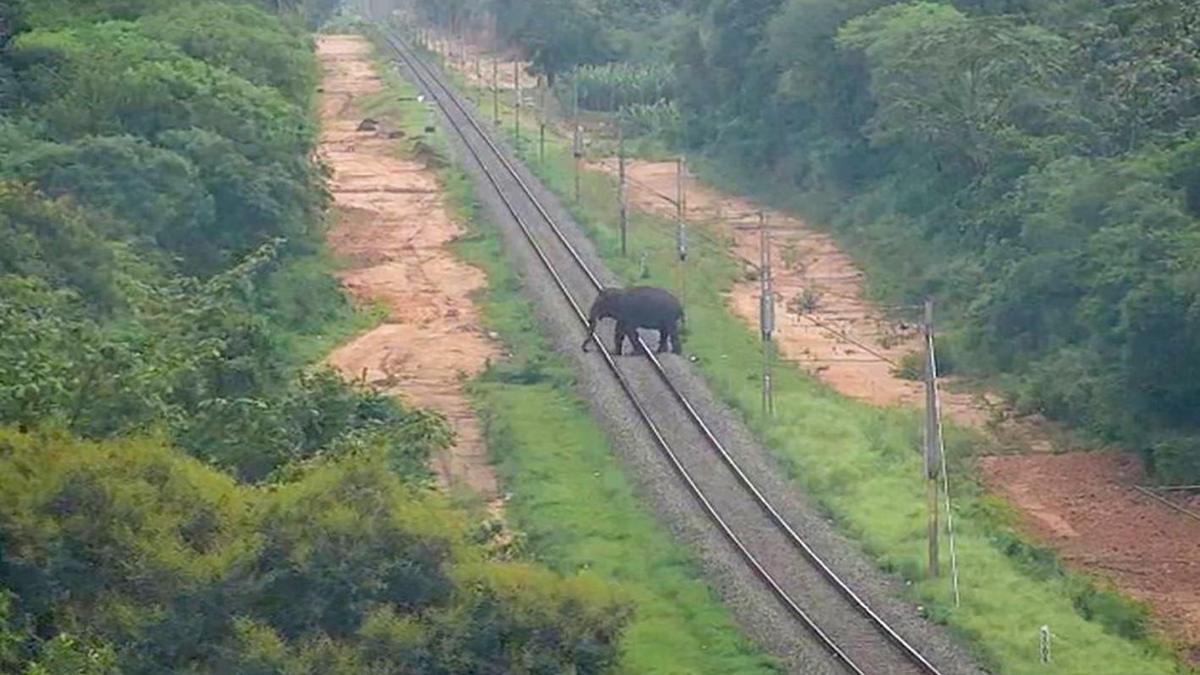
Artificial intelligence (AI) technologies are being increasingly utilized by India's railways to enhance safety and streamline operations, according to a senior official from the Research Designs and Standards Organisation (RDSO). At a recent AI Technology Transformation Conference in Hyderabad, RDSO Deputy Director General Qazi Mairaj Ahmad highlighted several AI-driven initiatives aimed at bolstering railway safety, efficiency and reliability.
Among these projects is the Integrated Track Management System (ITMS), which employs computer vision to inspect rails, sleepers and track fastenings. The RDSO is also deploying AI-based rolling stock monitoring systems and Wheel Impact Load Detectors (WILD) to identify defects in train wheels as the trains are in motion. To prevent elephant fatalities along railway corridors, the organization is implementing AI-based intrusion detection systems using distributed acoustic sensing technology.
Another major project, 'Tri-Nethra', is an advanced driver assistance system designed to assist locomotive pilots in navigating safely during foggy and low-visibility conditions, particularly in the Northeast. These AI applications have contributed to a significant reduction in railway accidents, which declined from 135 in 2014-15 to just 11 in 2025-26.
The RDSO official emphasized that the government's AI metric should be lives saved, not likes or clicks. AI-based intrusion detection systems have been deployed along 141 km of railway tracks in the Northeast, with tenders floated for an additional 1,000 km. AI-enabled video surveillance systems have been installed at 1,731 railway stations, improving incident detection, response times and passenger safety.
The success of the 'Kavach' - Automatic Train Protection (ATP) system, an indigenously designed, safety-critical AI infrastructure, was cited to demonstrate the feasibility of such technology in India. Currently operational over 2,746 route kilometers, 'Kavach' has achieved the highest internationally accepted safety standard, Safety Integrity Level-4 (SIL-4).
Committed to expanding AI applications beyond railways, the RDSO official urged policymakers to replicate similar models in sectors like healthcare, power, policing, agriculture and land administration.
Written by urgent.news from The Hindu's reporting — not their text. Machine-written — may contain errors; check the original before relying on it.