Wildfires, heat waves threaten to undermine air quality, says UN weather agency
The World Meteorological Organisation urged joint action as wildfires and heatwaves increasingly threaten global air quality.
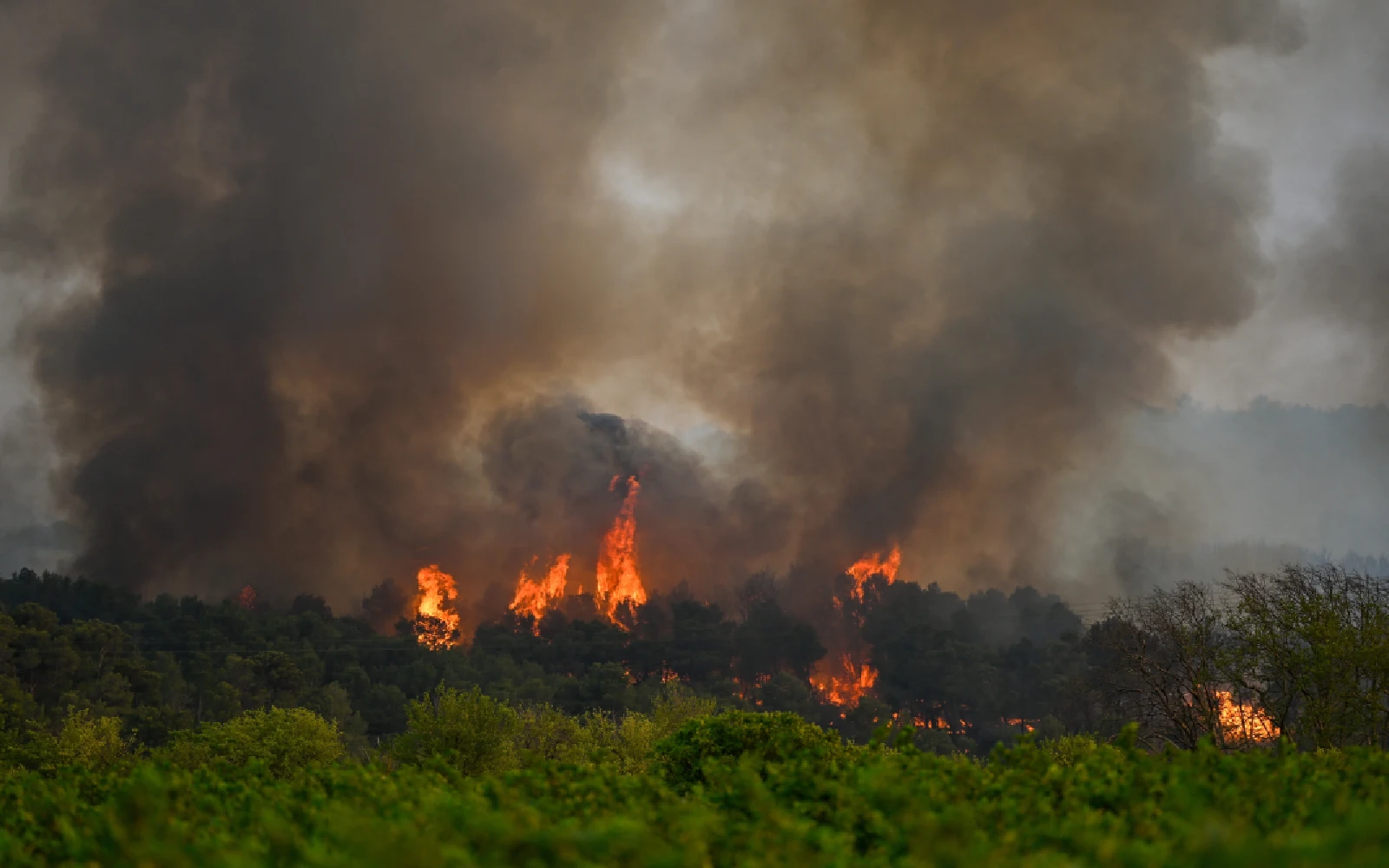
GENEVA: Intense wildfires and heat waves could hinder global progress in improving air quality and safeguarding human health, warns the United Nations weather agency in its annual report. Climate change is exacerbating the challenge, making it harder to meet international air quality targets set by the World Health Organization.
The World Meteorological Organization (WMO) emphasizes the close link between air pollution and climate change, urging coordinated policies to address both issues simultaneously. Despite recent improvements in emissions from industry and transportation in many developed nations, wildfires have emerged as a significant source of harmful air pollution, according to the WMO.
Lorenzo Labrador, a scientific officer at the WMO, stated that even if cities and regions maintain high levels of cleanliness, the presence of wildfire-induced pollution can still adversely affect air quality. The report highlights the growing impact of fine particulate matter (PM2.5) and ground-level ozone, both linked to respiratory and cardiovascular diseases.
It also calls for better monitoring of pollutants and aerosols, such as black carbon and microplastics, which are currently underrepresented in atmospheric tracking. This year has witnessed extreme heat and devastating wildfires in various parts of Europe, including Spain, France, and Greece. The WMO reports that extreme heat events are becoming more frequent, intense, and prolonged due to global warming.
The new report reveals that PM2.5 concentrations in 2025 exceeded long-term averages in northern Canada, parts of Russia, and western-central Africa, primarily due to increased fire activity. Northwestern Spain also experienced elevated pollution levels following exceptional late-summer fires. A study cited in the report indicates that extreme fire-smoke events have tripled globally since the 1990s, potentially contributing to nearly 100,000 additional deaths annually between 2010 and 2018.
Particulate matter from wildfires is especially dangerous as it contains toxic chemicals, Labrador explained, noting that inhalation triggers body-wide inflammation that can lead to pulmonary disease.
Written by urgent.news from Free Malaysia Today's reporting — not their text. Machine-written — may contain errors; check the original before relying on it.
This story
This is one outlet's version. Read the fullest account.
- Wildfires, heat waves threaten to undermine air quality, UN weather agency says thejakartapost.com
- Wildfires, heat waves threaten to undermine air quality, says UN weather agency freemalaysiatoday.com