The complex corporate web behind a $3.2 billion AI data center
When multiple companies are behind one project, who bears responsibility for problems?
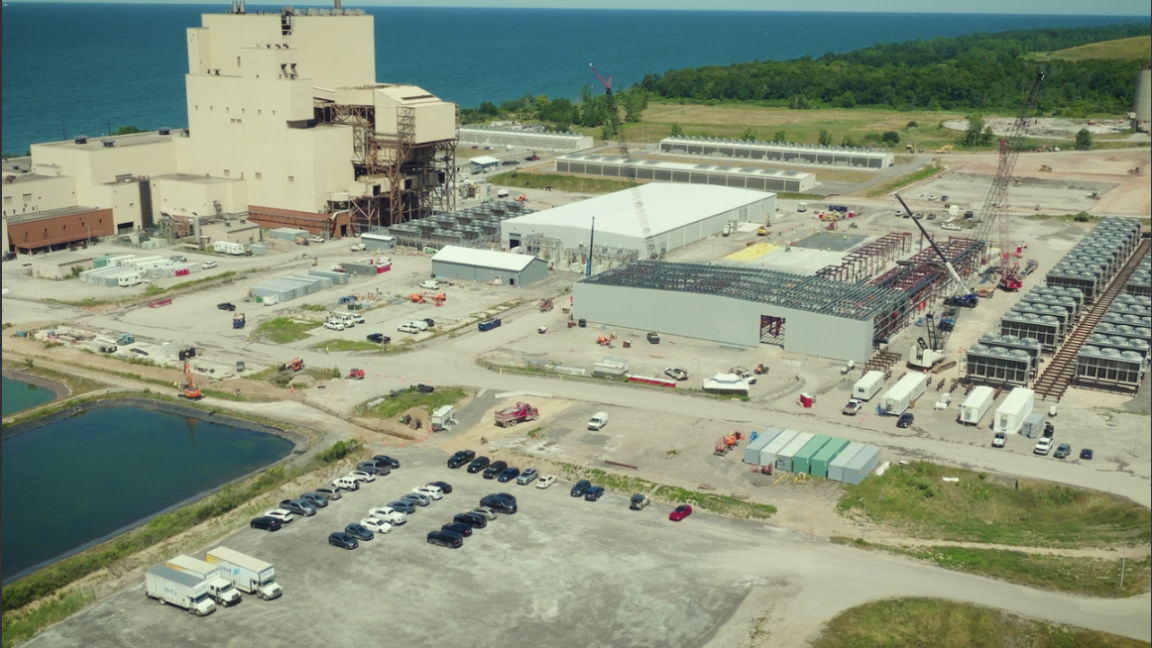
In early June, a fire erupted at the Lake Mariner data center under construction in Somerset, New York, exposing the limited knowledge of the local fire department regarding the site's potential hazards. Firefighters entered an unfinished building without any functioning alarm system or fire suppression mechanism, and they discovered three demolished hydrants.
The safety documents they were legally required to access were reportedly consumed by the flames. Steve Matisz, chief of the Barker Fire Department, expressed that his team entered the premises "kind of blind," encountering dense black smoke from unidentified chemicals due to the lack of safety sheets meant to inform them. The situation has been challenging for Matisz, who is unsure about the implications of the claim that the safety sheets had burned during the fire.
The site is situated on a former coal mine on Lake Ontario, and it is the largest AI data center buildout in New York, involving numerous stakeholders. TeraWulf, a company owned by its CEO, owns and operates the data center on leased land; Fluidstack, a UK-based AI firm, will manage the center; Google holds future 14 percent equity and has guaranteed Fluidstack's lease payments; and Anthropic is among the AI companies relying on the facility's compute demand.
Written by urgent.news from Ars Technica's reporting — not their text. Machine-written — may contain errors; check the original before relying on it.
Also reported by 1 other outlet
- The complex corporate web behind a $3.2 billion AI data center arstechnica.com