AI could pose ‘existential’ risk to humanity, UN rights chief warns
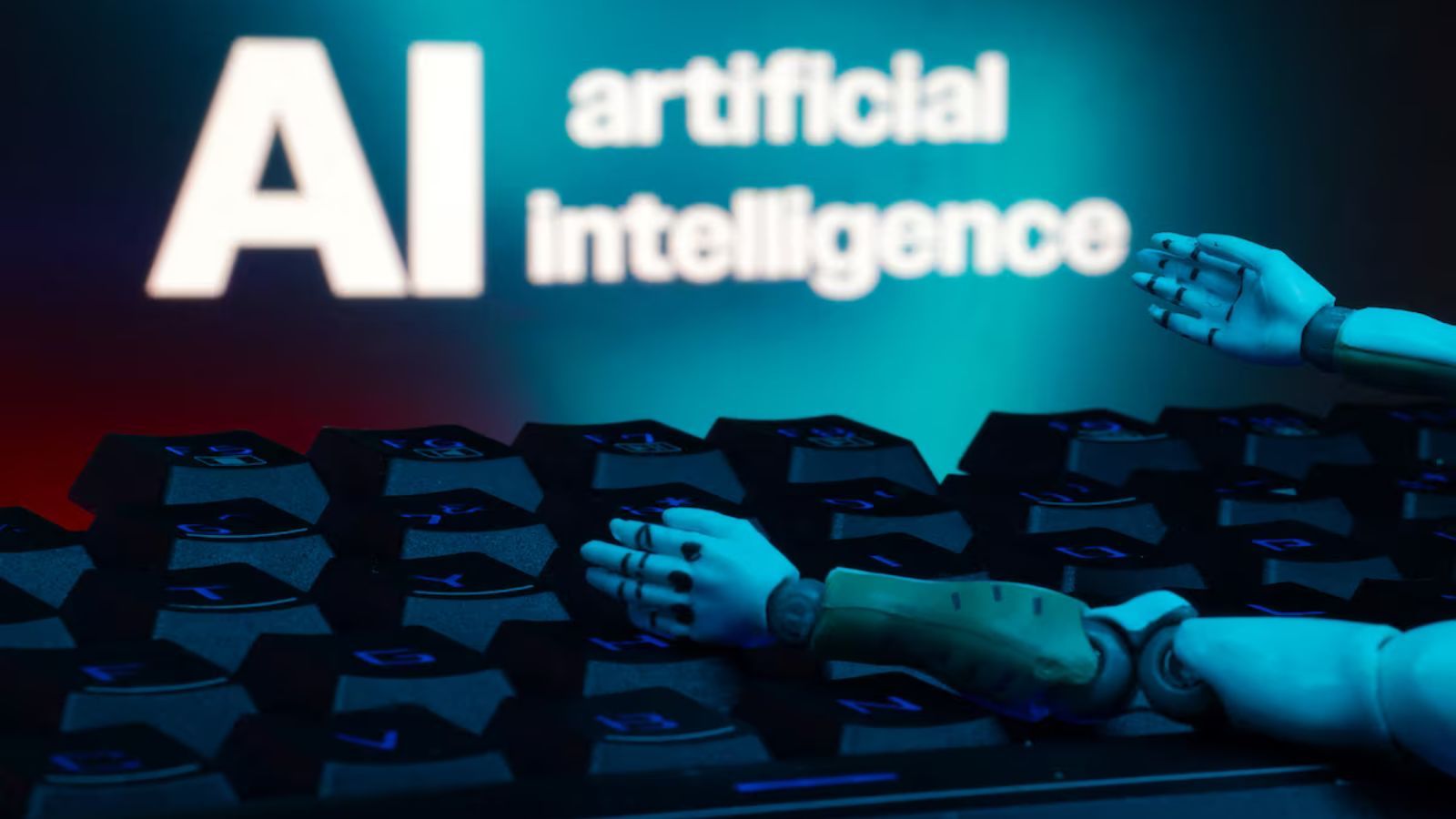
Volker Turk, the UN rights chief, cautioned that artificial intelligence (AI) could one day pose an "existential" threat to humanity, urging global entities to mitigate associated risks. Speaking at the U.N. Human Rights Council in Geneva, Turk highlighted concerns shared by industry insiders regarding advanced AI's potential dangers. He called for immediate action to establish robust safety and security guarantees for AI before it's too late.
Turk did not name specific individuals but emphasized that a select few wield "almost unlimited power over AI." Major AI corporations such as Meta, Anthropic, OpenAI, and Google were mentioned. Turk emphasized the necessity for countries involved in AI development and supply chains to collaborate on establishing "agreed red lines."
His remarks mirrored previous warnings from leading AI executives, like OpenAI CEO Sam Altman, about extinction risks from AI. The UN has advocated for standardized rules to mitigate risks and convened its inaugural global AI governance meeting in July.
Written by urgent.news from The Indian Express's reporting — not their text. Machine-written — may contain errors; check the original before relying on it.
This story
This is one outlet's version. Read the fullest account.
- AI could pose ‘existential’ risk to humanity, UN rights chief warns al-monitor.com
- UN rights chief says AI could pose 'existential risk to humanity' dawn.com
- UN rights chief warns AI could pose ‘existential’ risk to humanity’ scmp.com
- AI could pose 'existential' risk to humanity, UN rights chief warns nst.com.my
- AI could pose ‘existential risk to humanity’, says UN rights chief freemalaysiatoday.com
- AI could pose ‘existential’ risk to humanity, UN rights chief warns channelnewsasia.com