The complex corporate web behind a $3.2 billion AI data center
When multiple companies are behind one project, who bears responsibility for problems?
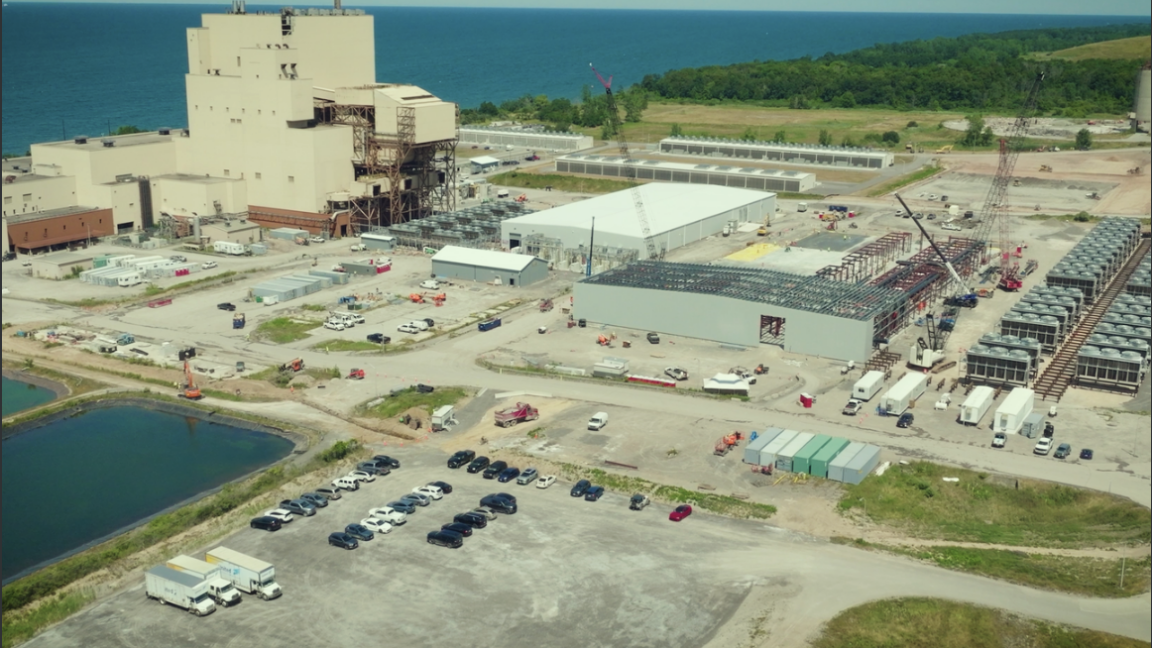
In the early hours of June, a fire erupted at an unfinished structure at the Lake Mariner data center situated in Somerset, New York. The fire investigators were taken aback by the lack of preparedness of the local fire department, who arrived at the scene without any functioning alarm system, without a suppression system, and with three dead hydrants.
The situation was further complicated by the fact that safety documents, which the fire department was legally obligated to review, were reportedly destroyed in the flames, leaving them in the dark about the potential hazards they might encounter. Steve Matisz, the chief of the Barker Fire Department, admitted that his team ventured into the building "kind of blind" after confronting thick black smoke from unidentified chemicals, thanks to the burned safety sheets meant to inform them.
The question arose as to how the claim that the safety sheets had burned in the fire could be substantiated. The site itself is a converted coal mine on the shores of Lake Ontario. The data center, with a staggering cost of $3.2 billion, is one of the biggest AI data center buildouts in New York. It involves multiple stakeholders, including TeraWulf, which owns and operates the data center on a lease from a company owned by its CEO; Fluidstack, a UK-based AI company that will run the facility; Google, which holds warrants for a future 14 percent equity stake and has committed to guaranteeing Fluidstack’s lease payments; and Anthropic, one of the AI companies that would benefit from the facility's computing capacity.
Written by urgent.news from Ars Technica's reporting — not their text. Machine-written — may contain errors; check the original before relying on it.
This story
This is one outlet's version. Read the fullest account.
- The complex corporate web behind a $3.2 billion AI data center arstechnica.com