Solar surges in DR Congo as miners demand power
Solar panel imports have increased amid rising demand from mining companies. Can the technology prove key to connecting off-grid communities?
Despite being a country rich in minerals and natural resources, the Democratic Republic of the Congo (DR Congo) has struggled to provide electricity to its population. Only 21.5% of people had access to electricity in 2024, with virtually no connections outside of the Katanga mining region and a few major cities. However, new data reveals a possible turning point in the country's energy situation.
According to energy think tank Ember, DR Congo is Africa's fourth-largest importer of Chinese solar panels, with imports totaling $249 million and battery spending reaching $429 million. Ember estimates that solar installations in DR Congo will increase by 544% year-on-year in 2026, with new solar capacity added this year alone equivalent to 63% of existing grid generation.
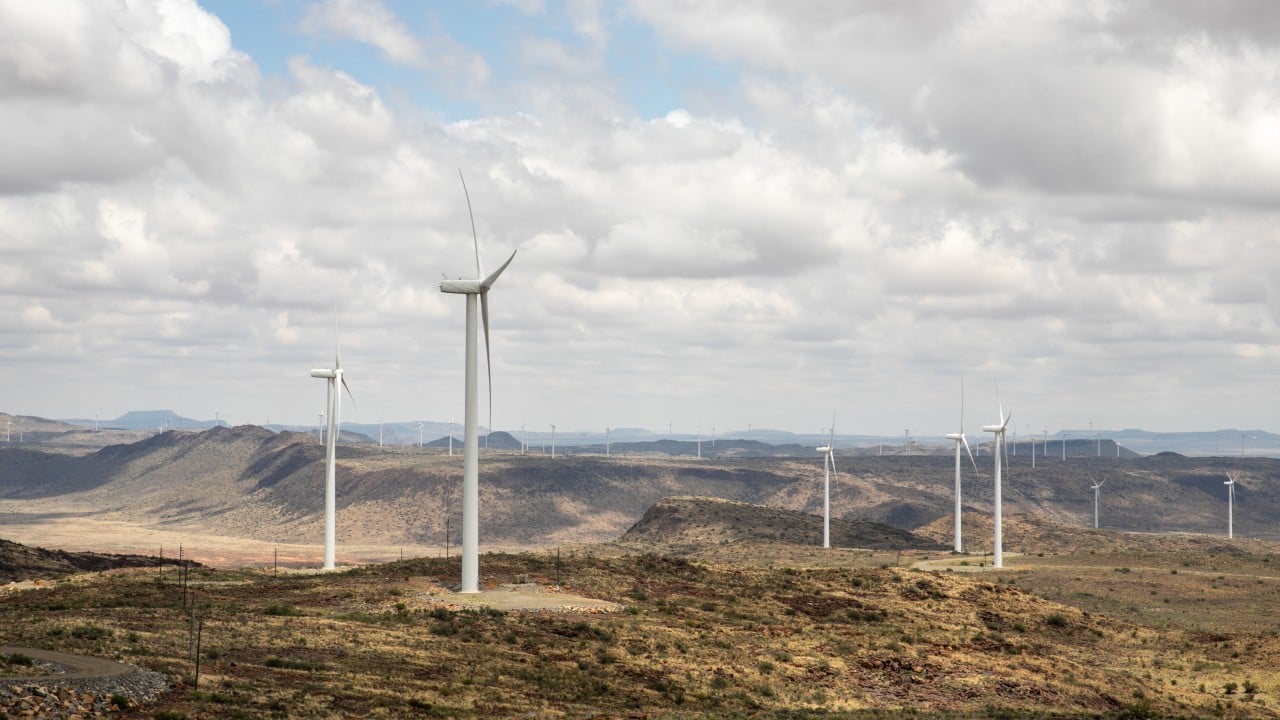
The driver behind this solar boom is the mining sector in DR Congo's Katanga region. An example is the Kamoa Copper mine near Kolwezi, where 357,000 solar panels carpet an area equivalent to 230 football pitches. Installed by CrossBoundary Energy, the project began commercial operation on 12 August. With a 233 MW solar array and 526 MW-hour battery storage capacity, the facility delivers a minimum baseline of 30 MW at all times, contradicting skeptics who doubt renewables' ability to provide continuous power to heavy industries.
The success of the Kamoa project is attributed to its speed and scale. Solar panels, using modular designs and mass-produced equipment, can be installed much faster than traditional energy generation infrastructure. The Kamoa project was operational in just 24 months, despite the logistical challenges of transporting equipment to the remote mining region.
Other mini-grid developers, such as WeLight and Husk Power Systems, have also entered the DR Congo market, with financing becoming the primary bottleneck for expanding the off-grid solar sector. The government-backed Mwinda Fund is aiming to raise $500 million to support project developers with grants, concessional loans, guarantees, and technical assistance.
Written by urgent.news from Africa Business's reporting — not their text. Machine-written — may contain errors; check the original before relying on it.