Bangladesh dengue outbreak accelerates as hospitals come under strain
DHAKA: Bangladesh’s dengue outbreak is accelerating , with 42,590 people hospitalised and 117 deaths recorded this year, as a sharp September surge strains hospitals and raises fears the mosquito-borne disease could intensify further in the coming weeks. At least four dengue patients died and 1,558 others were hospitalised in the past 24 hours, according to health ministry data, marking the…

DHAKA: Bangladesh is experiencing an escalating dengue outbreak, with 42,590 hospitalizations and 117 deaths reported this year, as September's surge puts immense pressure on hospitals and heightens concerns of further intensification. The disease, originating from mosquitoes, can lead to fever, severe headaches, and potentially fatal complications.
In the last 24 hours, 42 dengue patients died and 1,558 were hospitalized, the highest daily admission count ever recorded this year. The outbreak has become even more alarming as it spread rapidly in recent weeks, prompting worries similar to Bangladesh's deadliest dengue outbreak in 2023. This crisis is further exacerbating an already overburdened healthcare system, which is concurrently dealing with a nationwide measles outbreak that has claimed nearly 1,000 children this year.
Medical experts warn that September might be even more severe than the previous month, when August recorded the highest monthly dengue caseload of the year. Professor Kabirul Bashar, a medical entomologist at Jahangirnagar University, predicts hospitalizations could surpass 30,000 this month if the current trends persist, with favorable weather conditions likely to sustain transmission into October.
"The peak has not yet been reached," said Bashar. "If the current pattern continues, September could become the worst month of the year for dengue infections."
Patients are facing severe challenges. For instance, Zahid Hasan, a 32-year-old father, witnessed his four-year-old son's high fever turn critical after being diagnosed with dengue. Despite visiting three government hospitals, Hasan could not secure a bed for his son. Eventually, he found a private hospital bed after assistance from a relative.
His son underwent seven blood and plasma transfusions before being discharged but remains weak and slowly recovering. Dengue patients can deteriorate rapidly after their fever subsides, leading to complications such as plasma leakage, low blood pressure, shock, and severe bleeding. Close monitoring during the critical post-fever phase is vital.
Hospital beds are scarce; thus, patients are at risk of deteriorating without access to proper care.
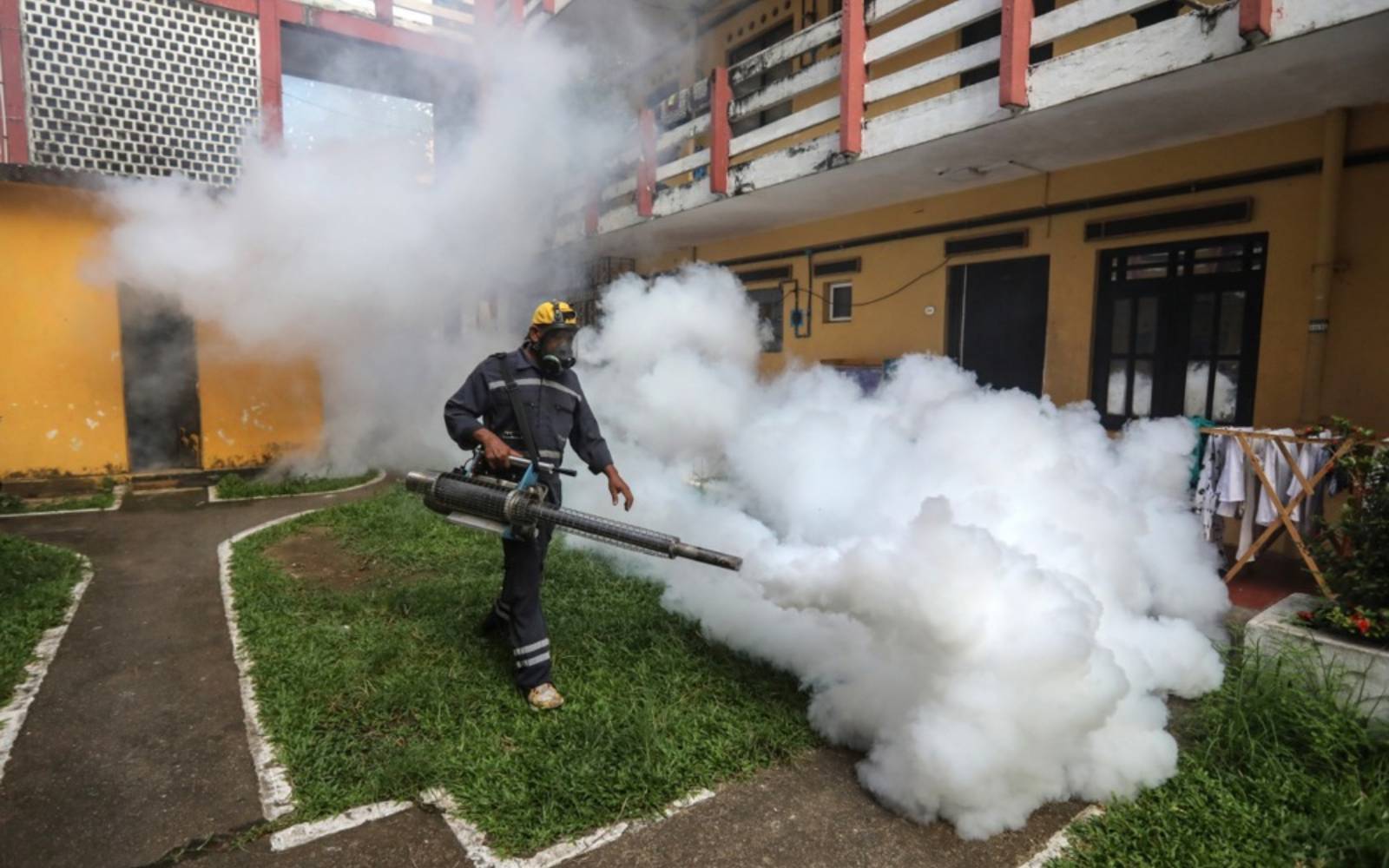
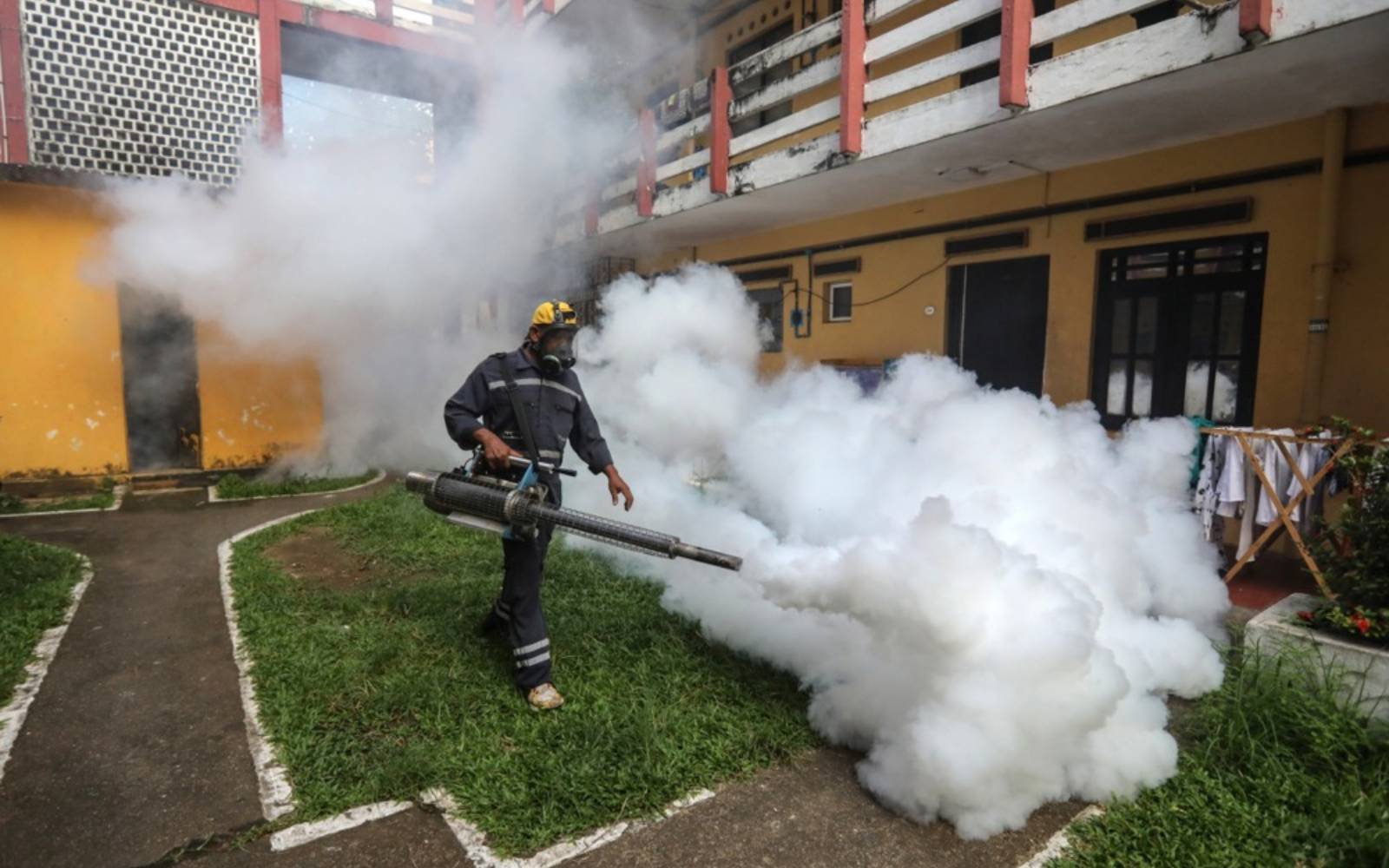
The government is intensifying prevention measures as the outbreak escalates. Prime Minister Tarique Rahman has directed nationwide cleanup and awareness campaigns, urging citizens to eliminate stagnant water and other mosquito-breeding sites, while also promoting community involvement in mosquito-control efforts. "Fogging alone cannot control dengue if breeding sites remain untouched," emphasized Professor Bashar.
"Control measures must target actual breeding areas. The primary weakness in dengue control remains the lack of evidence-based interventions."
Written by urgent.news from Business Recorder's reporting — not their text. Machine-written — may contain errors; check the original before relying on it.
This story
This is one outlet's version. Read the fullest account.
- Bangladesh dengue fever surge strains hospitals as case numbers pass 42,000 jpost.com
- Bangladesh dengue outbreak accelerates as hospitals come under strain freemalaysiatoday.com
- Bangladesh dengue outbreak accelerates, straining hospitals nst.com.my
- Bangladesh dengue outbreak accelerates economictimes.indiatimes.com