AI cancer cures slowed by chip shortage, says UK's biggest tech boss
The head of chip designer Arm says modelling how a DNA marker is impacted by cancer cannot be done now, but computers are "going to solve it".

Rene Haas, the chief executive of Arm Holdings, a prominent UK-based chip designer, has expressed his optimism about artificial intelligence (AI) finding a cure for cancer within people's lifetimes. Haas, speaking to the BBC, emphasized AI's potential to solve complex problems, such as modeling the impact of a DNA marker on cancer, which currently exceeds human capabilities.
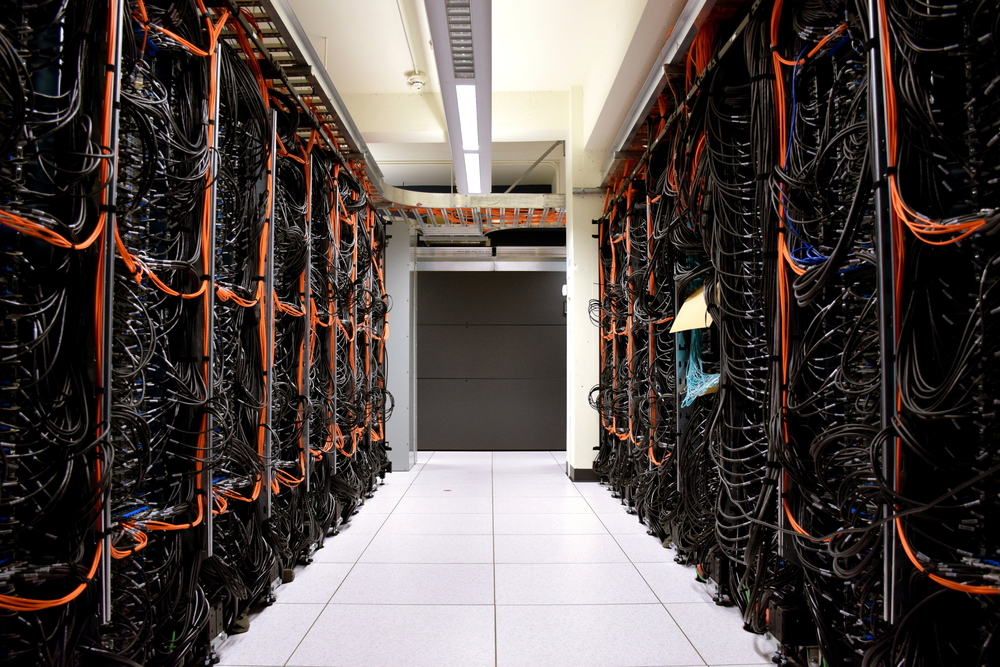
However, Haas highlighted that AI's rapid growth is currently hindered by a shortage of chips required to build data centers. He was skeptical about the possibility of chips being manufactured in the UK in the future and attributed the issue to the high costs, specialized workers, and extensive natural resources required for chip factories.
Haas also discussed AI's potential to lead to widespread humanoid robots within five years, which could be applied in various industries, including manufacturing, cleaning, security, and construction. He acknowledged that while AI might lead to some job displacement, it would also create new employment opportunities.
In the realm of medical AI, Haas acknowledged that the real question was no longer whether AI would be used but rather what data it would be trained on. With a focus on training AI using patient-generated data from the Institute of Cancer Research in London, Haas believes that AI holds the potential to drastically reduce the time needed for developing new treatments.
Despite the surge in AI stock prices, Haas remained optimistic about the long-term demand for AI, noting that Arm's power-efficient technology was now being used in half of AI data centers worldwide. This has led to a significant evolution in Arm's business, with the company receiving substantial demand for its own microchips, including a multi-billion-dollar order from Meta.
Written by urgent.news from BBC Technology's reporting — not their text. Machine-written — may contain errors; check the original before relying on it.
This story
This is one outlet's version. Read the fullest account.