AI cancer cures slowed by chip shortage, says UK's biggest tech boss
The head of chip designer Arm says modelling how a DNA marker is impacted by cancer cannot be done now, but computers are "going to solve it".
Arm Holdings CEO Rene Haas has stated that artificial intelligence (AI) will one day discover a cure for cancer that humans cannot achieve within their lifetimes. While modeling complex problems such as how a DNA marker is impacted by cancer is currently too intricate for both humans and computers, Haas believes AI will ultimately solve these issues as computing power advances.
He predicts AI will lead to the widespread use of humanoid robots in the next five years, with applications in manufacturing, cleaning, security, and other fields. Haas also expressed skepticism about manufacturing chips in the UK in the future, citing the high costs and specialized workforce required for semiconductor factories.
Despite the rapid growth of AI, Haas believes the issue lies in feeding the right data into the models, rather than the computers themselves. The company designs the CPUs for microchips used in millions of devices, including phones, cars, and smart devices. In recent months, Arm has seen a boost in share value, becoming the most valuable UK-based company in history.
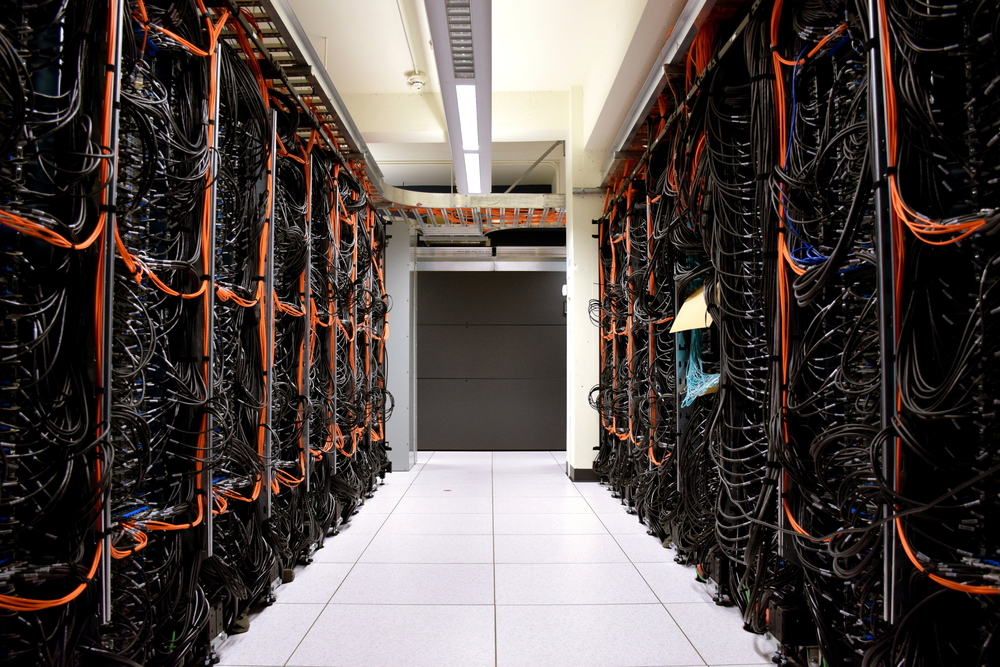
Haas attributes this success to the demand for Arm's power-efficient technology, which now powers half of AI data centers worldwide. However, the CEO acknowledges supply-chain constraints as a challenge for AI and data center expansion, including plans for massive data centers in France, the US, and even in space. Despite discussions with the UK government, Haas does not believe chip manufacturing will occur in the UK due to the high costs, specialized workforce, and resource requirements.
Written by urgent.news from BBC Business's reporting — not their text. Machine-written — may contain errors; check the original before relying on it.
This story
This is one outlet's version. Read the fullest account.