AI cancer cures slowed by chip shortage, says UK’s biggest tech boss
The boss of the biggest UK-headquartered tech firm has said that artificial intelligence will find a cure for cancer that humans cannot in our lifetimes.
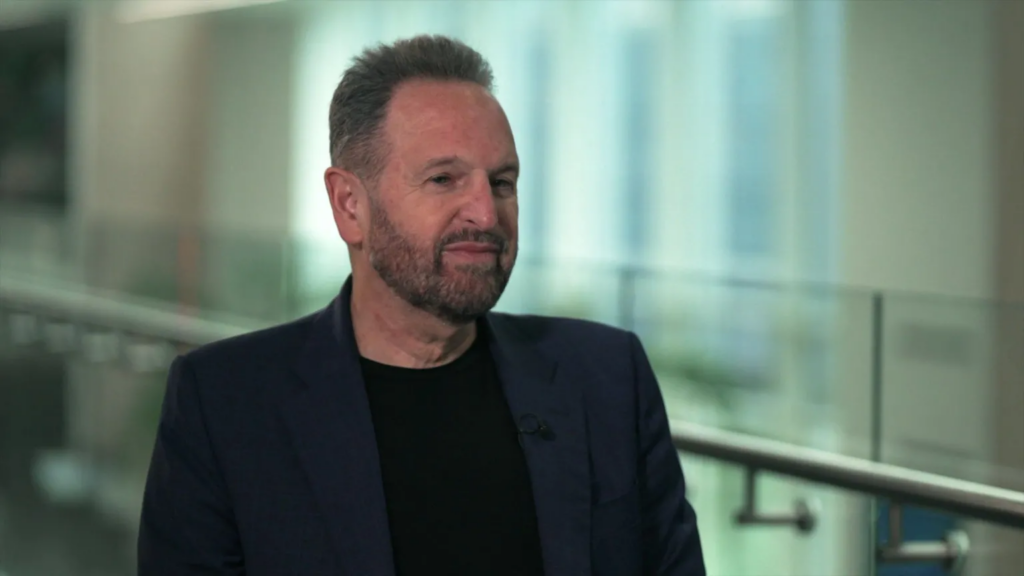
Rene Haas, CEO of Arm Holdings, a UK-based chip designer, believes artificial intelligence will discover a cure for cancer that humans cannot achieve in our lifetimes. Haas stated that while modeling the impact of a DNA marker on cancer is currently too complex, computers will eventually solve the problem as they become more sophisticated.
He also predicted that AI will lead to the widespread use of humanoid robots within the next five years, though he doubts that chip manufacturing will occur in the UK in the future. Arm designs the CPUs of microchips used in various devices, from phones to cars. Haas, who previously served on the board of AstraZeneca, emphasized that AI will find cancer treatments, but modelling a cell, human, and DNA marker is too complex for both humans and current computers.
However, with increased model feeding and computer sophistication, AI will eventually find a cure. Professor Chris Bakal from the Institute of Cancer Research and CEO of Sentinel4D agreed that the real question is what data we feed AI, not whether we use it. He emphasized that the future of medical AI would belong to those who possess the right measurements rather than those with the biggest computers, which could cut years from developing new treatments.
Haas also addressed concerns about job losses due to AI, stating that while some changes will occur, they will be outweighed by new opportunities. He noted that Arm's technology powers half of the world's AI data centers, leading to significant growth in its business, including developing the Arm AGI chip for Meta and receiving over $2 billion in demand since its launch.
However, chip shortages are hindering AI's roll-out, and while the UK could invest in chip manufacturing, it may not be necessary due to the high costs and specialized workforce required.
Written by urgent.news from MyJoyOnline Ghana's reporting — not their text. Machine-written — may contain errors; check the original before relying on it.