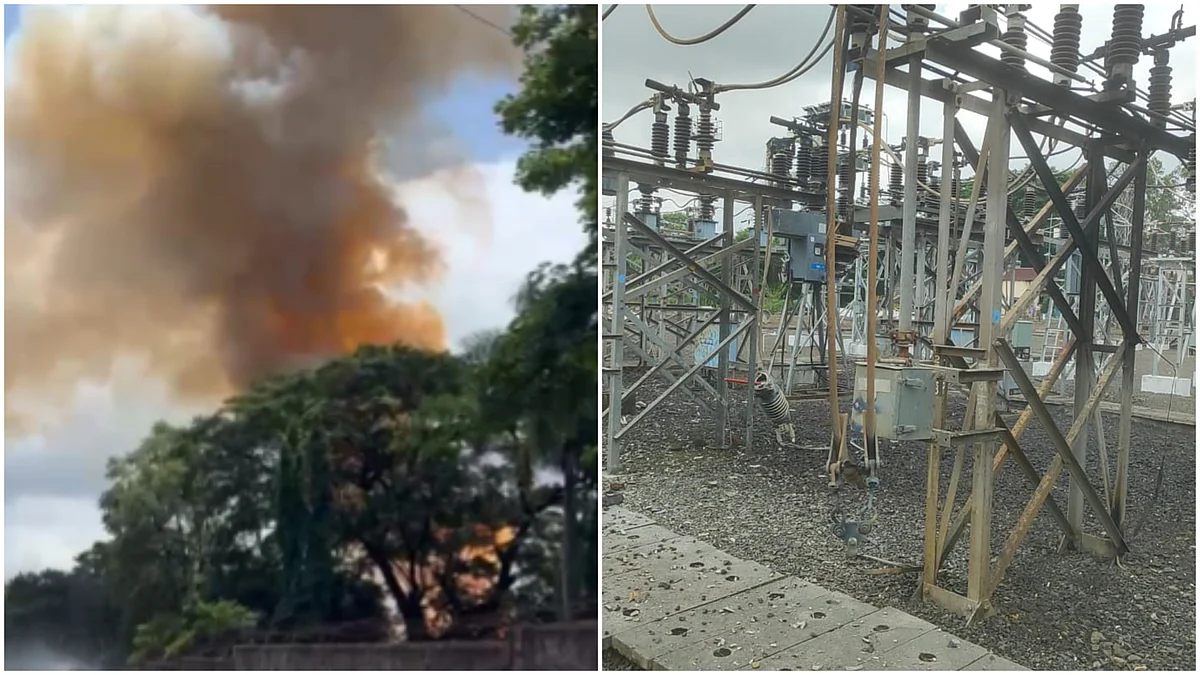
Volcanic island in Indonesia erupts, forcing the cancellation of hundreds of flights
No casualties were reported and no evacuation order was issued. The nearest settlement is more than 10 miles away, but authorities warned residents and visitors to stay at least 2 miles from the active crater.
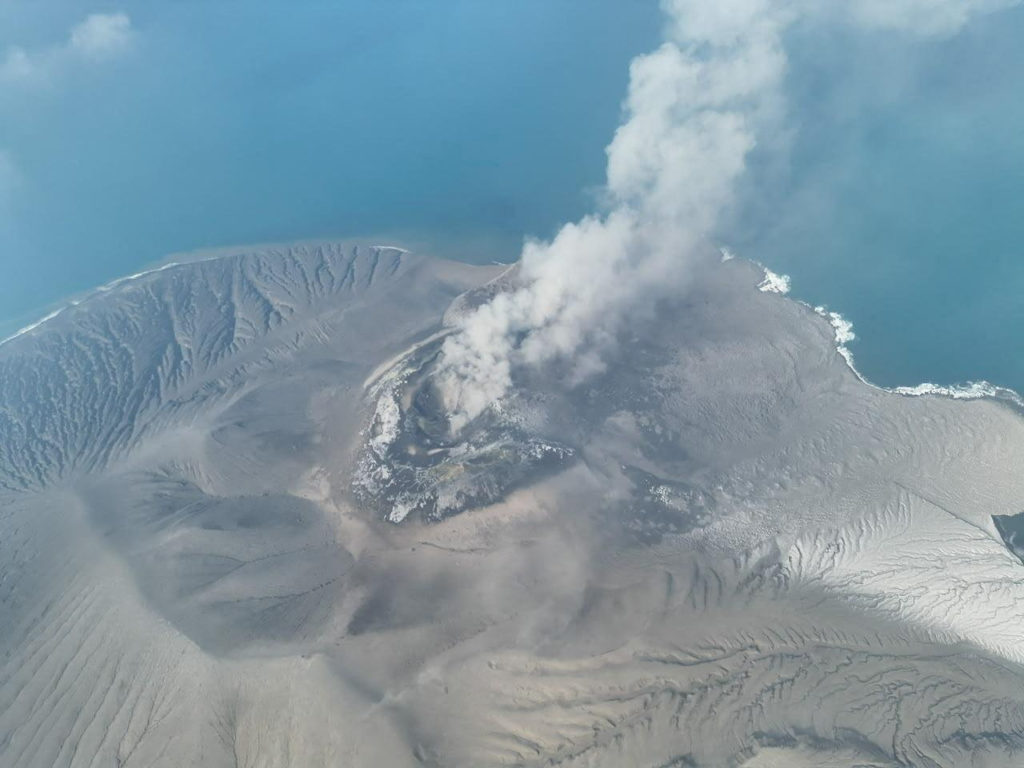
Around 170,000 passengers are stranded following a volcanic eruption that forced Indonesian authorities to temporarily halt operations at eight airports. The closure began on Sunday morning, September 6, 2026, at Soekarno-Hatta International Airport in Jakarta due to ash detected in the airspace near the airport. The Transport Ministry reported that 1,558 flights were delayed, and the airports remained closed until midnight.
The eruption started late Friday night, accompanied by continuous seismic activity, lava fountains, and booming sounds in surrounding regions. Additional eruptions occurred early on Sunday.
The Transport Ministry attributed the flight disruptions mainly to routes to and from Singapore, along with other international flights such as those to Doha, Sydney, and Kuala Lumpur. Transport Minister Dudy Purwagandhi announced the temporary closure of more airports after tests revealed that volcanic ash had spread towards West Java. He encouraged airlines to expedite ticket refunds for affected passengers and to provide timely updates to those with upcoming flights to prevent overcrowding at airports.
According to Indonesia’s meteorological agency BMKG, ash reached altitudes of 20,000 feet (6,000 meters) over Java, east of the volcano, and 50,000 feet (15,000 meters) west of the volcano on the Sumatra side. Authorities have not issued a tsunami warning linked to the recent volcanic activity, which is located in the Sunda Strait between Java and Sumatra.
The health minister urged residents in affected areas to remain indoors and wear face masks to protect against respiratory, eye, and skin issues. Some schools canceled activities on Saturday due to reports of eye irritation caused by the ash, while fishermen also canceled sea trips after experiencing sore eyes.
One resident, Aldi Candra Prayogi, described the ash as settling like "small grains of sand" in his eyes, requiring frequent eye drops and frequent yard cleanups. The volcano, known as Anak Krakatau or Child of Krakatoa, has been intermittently active since emerging from the sea at the beginning of the last century, following the 1883 eruption of Mount Krakatoa.
Anak Krakatau collapsed in December 2018, triggering a massive tsunami that killed over 400 people and displaced and injured thousands along the coasts of Sumatra and Java. Scientists noted that chunks of rock sliding from the volcano during its collapse were between 70-90 meters high. The Pacific Ring of Fire, a string of volcanoes, earthquake sites, and tectonic plates around the Pacific, spans 40,000 kilometers (25,000 miles) from the southern tip of South America to New Zealand.
Approximately 90% of all earthquakes and 75% of active volcanoes on Earth are located within this region.
Written by urgent.news from People Daily Kenya's reporting — not their text. Machine-written — may contain errors; check the original before relying on it.
This story
This is one outlet's version. Read the fullest account.
- Indonesia volcano eruption strands 170,000 passengers, shuts eight airports peopledaily.digital
- Eight airports in Indonesia suspend operations after volcanic eruption france24.com
- General : Six Flights From Penang To Jakarta Cancelled, 1,000 Passengers Affected By Anak Krakatau Eruption bernama.com
- Indonesia's Anak Krakatau volcano erupts, cancelling flights at Jakarta airport and others cbc.ca
- Jakarta international airport extends closure after Anak Krakatau eruption thejakartapost.com
- Six airports suspended, over 300 flights affected due to Indonesia's Mount Anak Krakatau eruption e.vnexpress.net
- 2 penerbangan ke Jakarta dilencong ke KLIA akibat letusan Anak Krakatau freemalaysiatoday.com
- KLIA becomes fallback for some Jakarta flights after Anak Krakatau eruption malaymail.com