This budget vacation camera had a secret weapon – and it was so successful that over 5 million were sold!
The genius behind the Olympus Trip 35 and its astounding 40mm lens
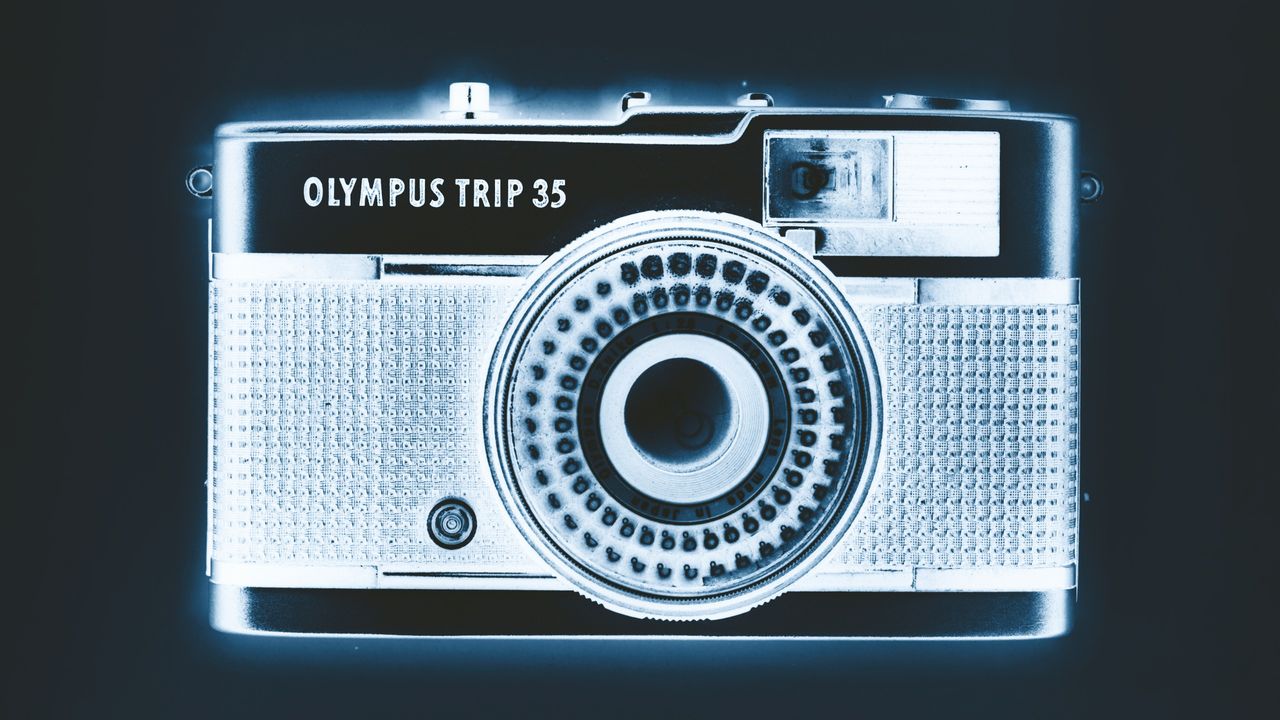
In 1967, Olympus introduced the Trip 35, a compact point-and-shoot camera that revolutionized the industry. Designed by Yoshihisa Maitani, the Trip 35 was a full-frame, 35mm camera that featured a high-quality 40mm f/2.8 lens and automatic exposure control. The camera was designed to be affordable, simple, and easy-to-use, making it ideal for vacation photography.
Despite its basic design, the Trip 35 produced high-quality images, rivaling those from more expensive cameras. With a simple zone focusing system and a circular selenium meter cell, the camera was easy to operate, even for beginners. The Trip 35 was built largely of metal but weighed only 390g, making it lightweight and portable.
It had a hot shoe and PC flash socket, and could handle films from ASA (now ISO) 25 to 400. The camera was in production from 1967 to 1984, with an estimated 5.4 to 5.6 million units sold during its 17-year run. The Trip 35's success demonstrated the demand for affordable, high-quality camera equipment, and its design principles were followed by many of Olympus' most famous cameras.
Written by urgent.news from Digital Camera World's reporting — not their text. Machine-written — may contain errors; check the original before relying on it.