Prince Harry is back in the UK — and so is the row over who pays to protect him
LONDON, Sept 6 — Prince Harry’s return to Britain has reignited debate about whether taxpayers should foot t...
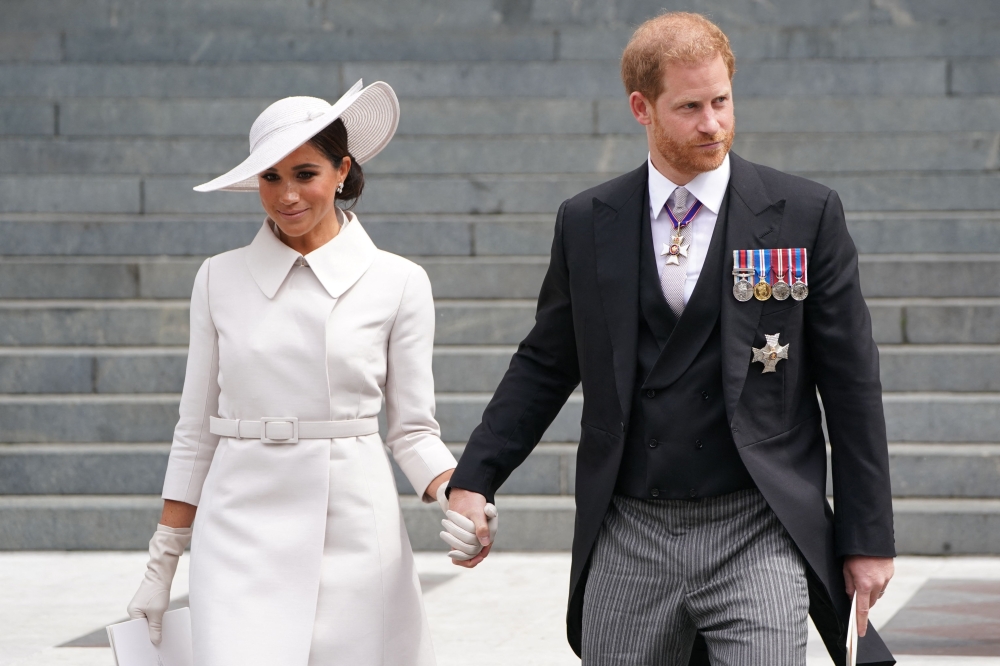
Prince Harry's recent return to the UK has sparked a heated discussion over whether taxpayers should be responsible for protecting him and his family. Experts have warned that genuine threats are likely, given Harry's status as the king's son and his military service in Afghanistan. The Duke of Sussex and his family - wife Meghan, and their children Archie and Lilibet - arrived in Britain last week with private security, rather than police officers, despite reportedly pushing for reinstated police protection.
While it is surprising that he is not receiving protection similar to others who may be at a lower threat level, former protection officers argue that his children's predictable daily school routines could make them vulnerable. The Royal and VIP Executive Committee, which decides who receives police protection, may re-evaluate the threat level Harry faces upon his return.
However, a recent poll found that the public largely believes the prince and his family should pay for their own security, as UK police protection cannot be armed. Despite the potential costs, ex-PMs continue to receive protected services even after leaving office, possibly setting a precedent for Harry and his family.
Written by urgent.news from Malay Mail's reporting — not their text. Machine-written — may contain errors; check the original before relying on it.
This story
This is one outlet's version. Read the fullest account.
- Prince Harry’s surprise UK return renews security row kahawatungu.com
- Prince Harry’s surprise UK return renews security row freemalaysiatoday.com
- Prince Harry’s UK return reignites row over taxpayer-funded security gulfnews.com
- Prince Harry's surprise UK return renews security row nst.com.my
- Prince Harry’s U.K. return renews debate over taxpayer-funded security nationalpost.com
- How Prince Harry and Meghan's return to Britain is setting off 'shockwaves' cbc.ca