Google, TCS, and the physics of air-cooling a large data centre | Explained
Using air-cooling alone to cool a 1-GW data centre is considered impractical; while liquid-cooling imposes higher costs upfront, air-cooling imposes a performance and efficiency tax
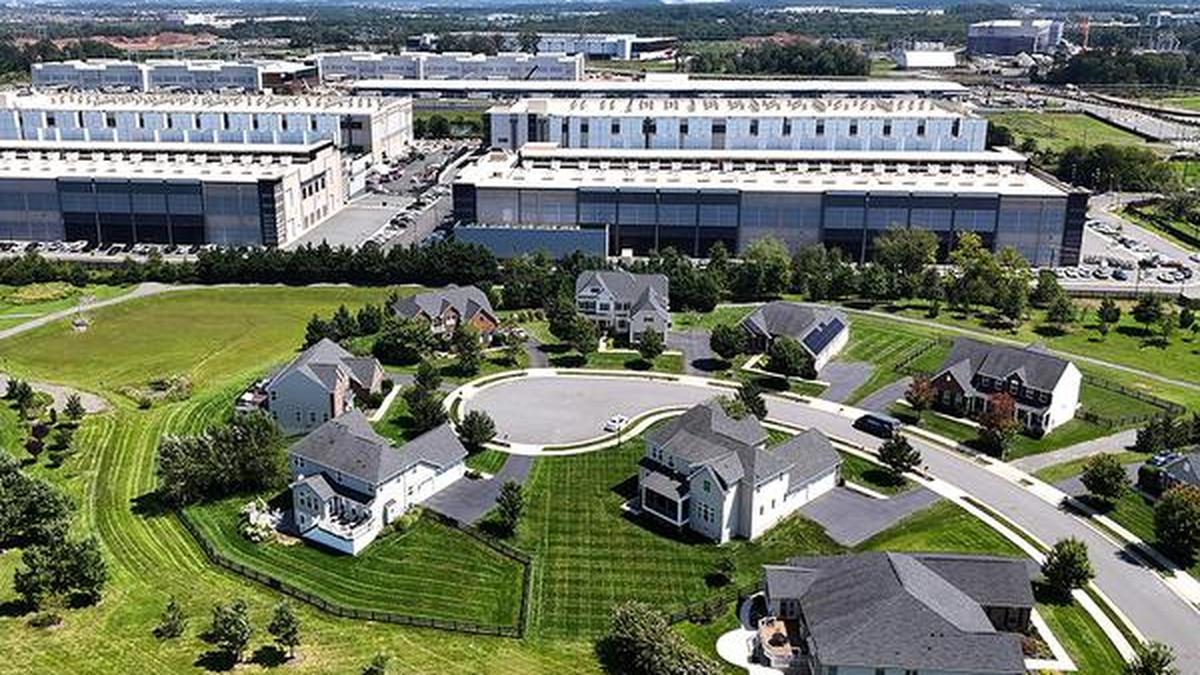
Google, TCS, and a similar Tata Consultancy Services (TCS) facility named HyperVault are set to build 1-GW data centres in Visakhapatnam district, which will utilize air-cooling technology to cool their servers. Air-cooling requires less water compared to other methods, but it has its own drawbacks. The massive number of processors and transistors in these data centres will generate considerable heat, potentially up to 1 GW per facility.
Heat from each chip is moved from the silicon die to a designated heat sink, which can be a cooling plate. From there, the method of heat removal depends on the cooling technology employed. Air-cooling uses fans to push cool air through or around server racks, collecting and cooling the hot air at the end. Common air-cooling configurations include computer-room ACs, computer-room air-handlers, hot-aisle/cold-aisle containment, and free-cooling.
Liquid-cooling, which is more efficient due to water's higher heat capacity, involves a specific liquid coming in contact with heat-generating components.
Immersion cooling is another option, where electronics are immersed in a non-conductive liquid, providing efficient heat transfer. Evaporative cooling uses air-cooling to remove heat from servers, then transfers it to water, which is evaporated in cooling towers or evaporative condensers. Dry-cooling and chilled-water systems are similar but have different trade-offs, such as the need for more heat-exchange surfaces or the use of a central chilled water plant. These cooling methods each come with their own set of benefits and drawbacks.
Written by urgent.news from The Hindu's reporting — not their text. Machine-written — may contain errors; check the original before relying on it.
This story
This is one outlet's version. Read the fullest account.