Gen Z is transforming South Asia
Younger generations view economic opportunity as inseparable from political accountability.
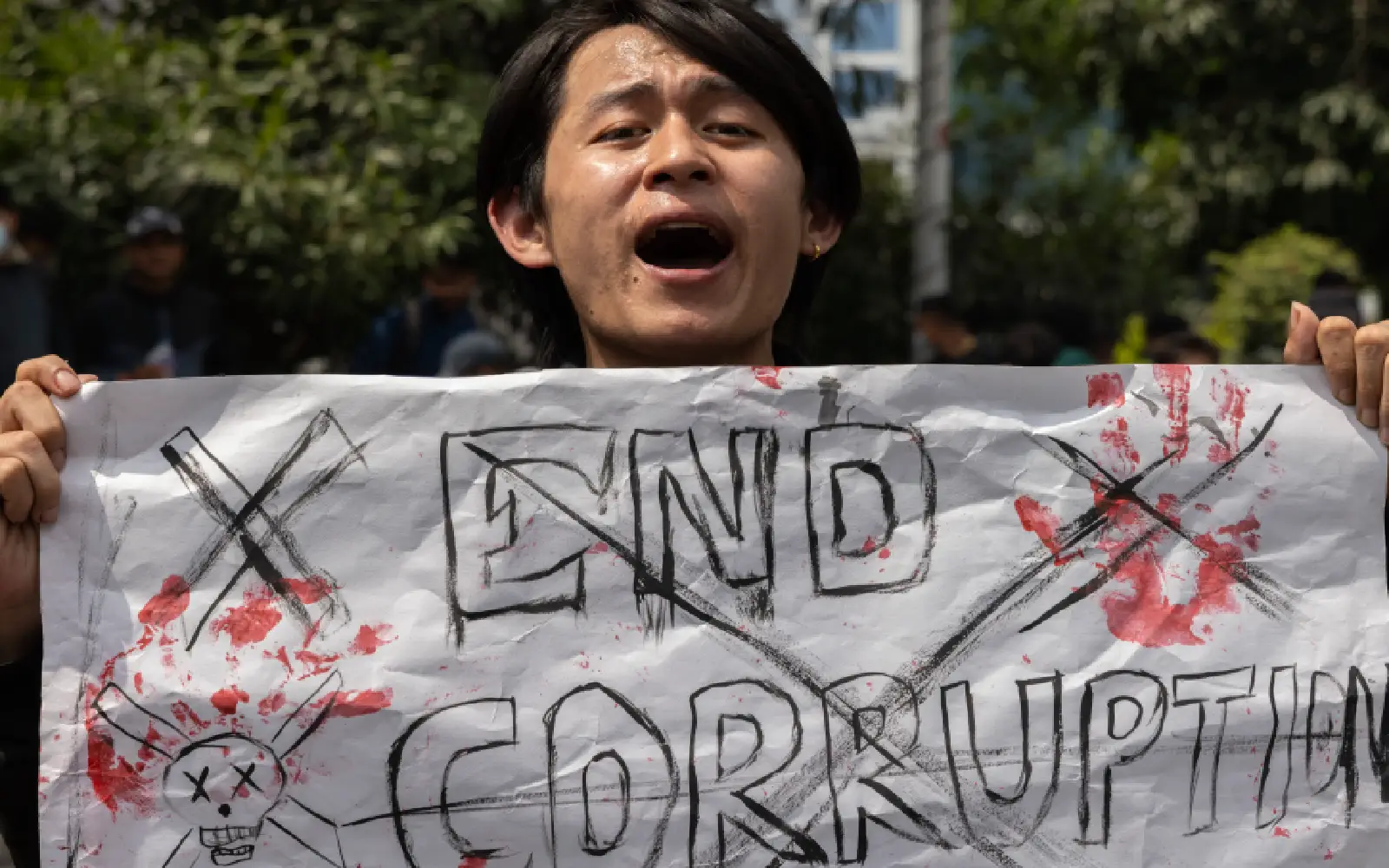
Gen Z is transforming South Asia through a series of youth-led uprisings that have fundamentally reshaped the region's political landscape over the past five years. These movements, marked by young people's aspirations, digital savvy, economic frustrations, and disillusionment with governing elites, have unfolded in vastly different ways across Myanmar, Sri Lanka, Pakistan, Bangladesh, Nepal, and India.
In Myanmar, the military's violent crackdown after overthrowing a democratically elected government led to a civil war, while Sri Lanka peacefully restored democracy following a similar upheaval. Pakistan saw a populist movement challenge the military's dominance, but the regime was preserved at the cost of political alienation.
Bangladesh's uprising stemmed from a policy dispute, culminating in a government collapse and interim administration. Nepal's protests against a corrupt political class and soaring unemployment saw the elites driven out without destroying the parliamentary framework. India's recent student-led protests, sparked by leaked university entrance exams and fueled by anxiety over jobless growth, highlight the ongoing impact of Gen Z's activism on South Asia's political future.
Brief written by urgent.news from Free Malaysia Today's own syndicated text. Machine-written — may contain errors; check the original before relying on it.
This story
This is one outlet's version. Read the fullest account.
- Gen Z is transforming South Asia freemalaysiatoday.com