Gen Z is transforming South Asia
Younger generations view economic opportunity as inseparable from political accountability.
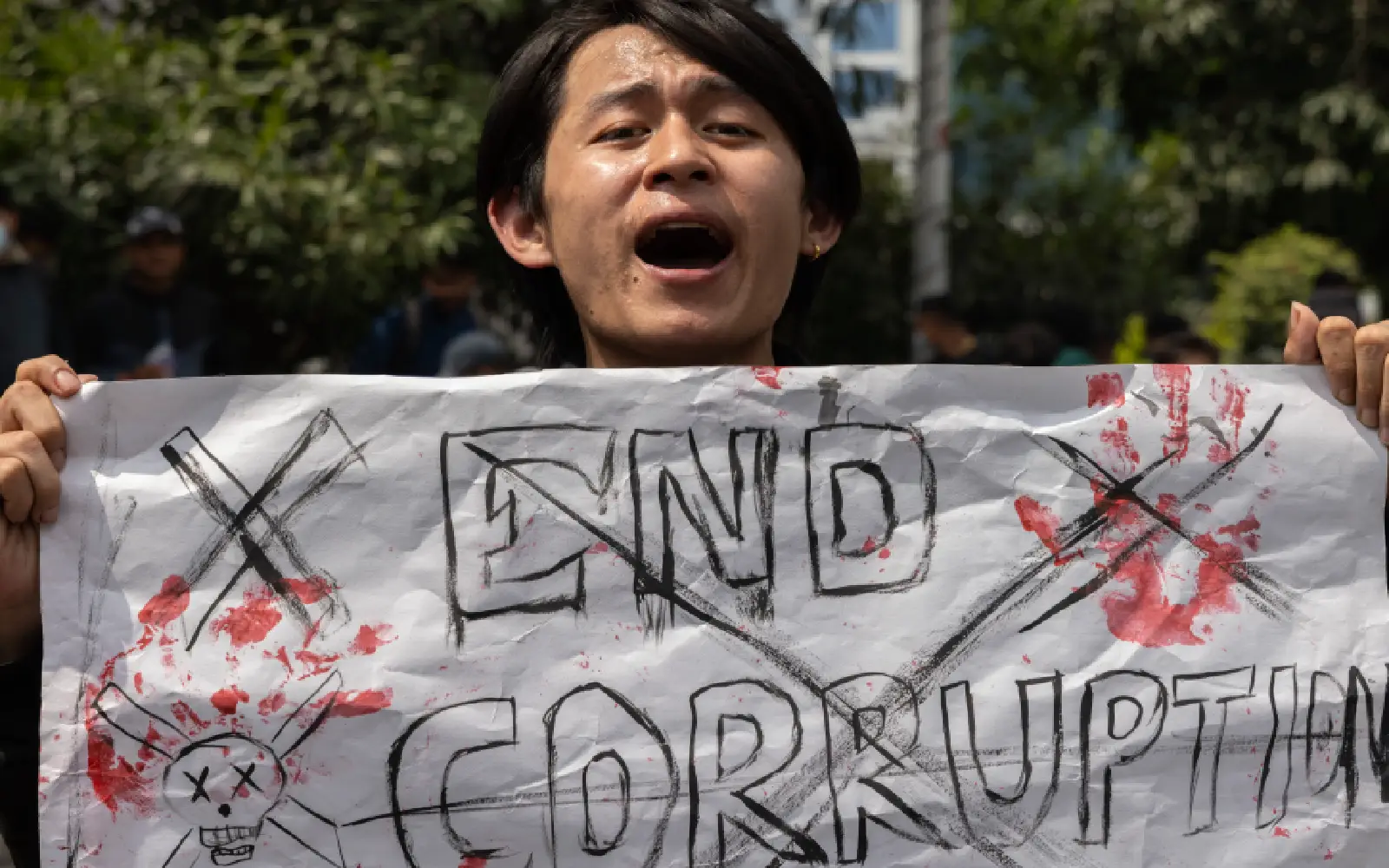
Over the past five years, six uprisings spearheaded by youth in South Asia have dramatically altered the region's political scene. These movements shared common threads - youthful aspirations, digital proficiency, economic strain, and disillusionment with ruling elites. However, the specific political frameworks through which they operated led to vastly different consequences.
The narrative begins in Myanmar, where a February 2021 military coup overthrew a democratically elected government. Unhindered by democratic legitimacy concerns, the new regime unleashed a violent suppression. With the restoration of democracy no longer feasible, young people had to form civilian defense units alongside armed, ethnically-based organizations. This resulted in a prolonged civil war.
Sri Lanka's March 2022 Aragalaya movement emerged from economic turmoil. Fuel pump shortages, constant power outages, and sovereign insolvency eroded the legitimacy of the Rajapaksa dynasty, which had governed for nearly two decades. Protests engulfed the island, with demonstrators eventually occupying the presidential palace. Nevertheless, unlike Myanmar, Sri Lanka did not experience widespread violence or an extended armed conflict.
Instead, President Gotabaya Rajapaksa resigned under popular pressure, adhering to the constitutional process.
Pakistan saw riots in May 2023 following the arrest of former Prime Minister Imran Khan. This instance exemplified a populist movement rallying behind a charismatic figure to challenge military supremacy and was met with military deployment, internet blackout, and dismantling of opposition party structures. The "hybrid" regime persisted, albeit at the expense of enduring political alienation.
Bangladesh's July 2024 uprising illustrated how a specific policy disagreement - student discontent with a biased quota system for civil-service jobs - could escalate into a revolution. When prime minister Sheikh Hasina's autocratic regime responded to protests by deploying troops to enforce a curfew, with an order to shoot violators on sight, the military's refusal led to Hasina's downfall. She fled the country, paving the way for an interim government.
In Nepal, September 2025 protests targeted not a single leader, but an oligarchic political class that had been engaging in a decade-long game of prime ministerial "musical chairs" while most Nepali youth faced high unemployment and limited opportunities. The final straw for a frustrated Gen Z was a government ban on major social media platforms.
Utilizing VPNs and alternative apps, Nepal's youth organized a massive protest. Despite a military attempt to crush it through force, the protesters fought back, driving the elites out without dismantling the parliamentary framework. They ultimately elected a 35-year-old prime minister.
Finally, India experienced widespread student-led protests this summer, sparked by leaks of university entrance examinations and fueled by growing anxiety over joblessness. Far from threatening the constitutional order, the movement confirmed its resilience, as the government conceded to critical demands, such as the resignation of the education minister and the proposal of administrative and policy reforms to channel protest energy back through conventional democratic avenues.
Written by urgent.news from Free Malaysia Today's reporting — not their text. Machine-written — may contain errors; check the original before relying on it.
Also reported by 1 other outlet
- Gen Z is transforming South Asia freemalaysiatoday.com