Eric Hobsbawn: The historian who defended communism, misread India and avoided the Holocaust
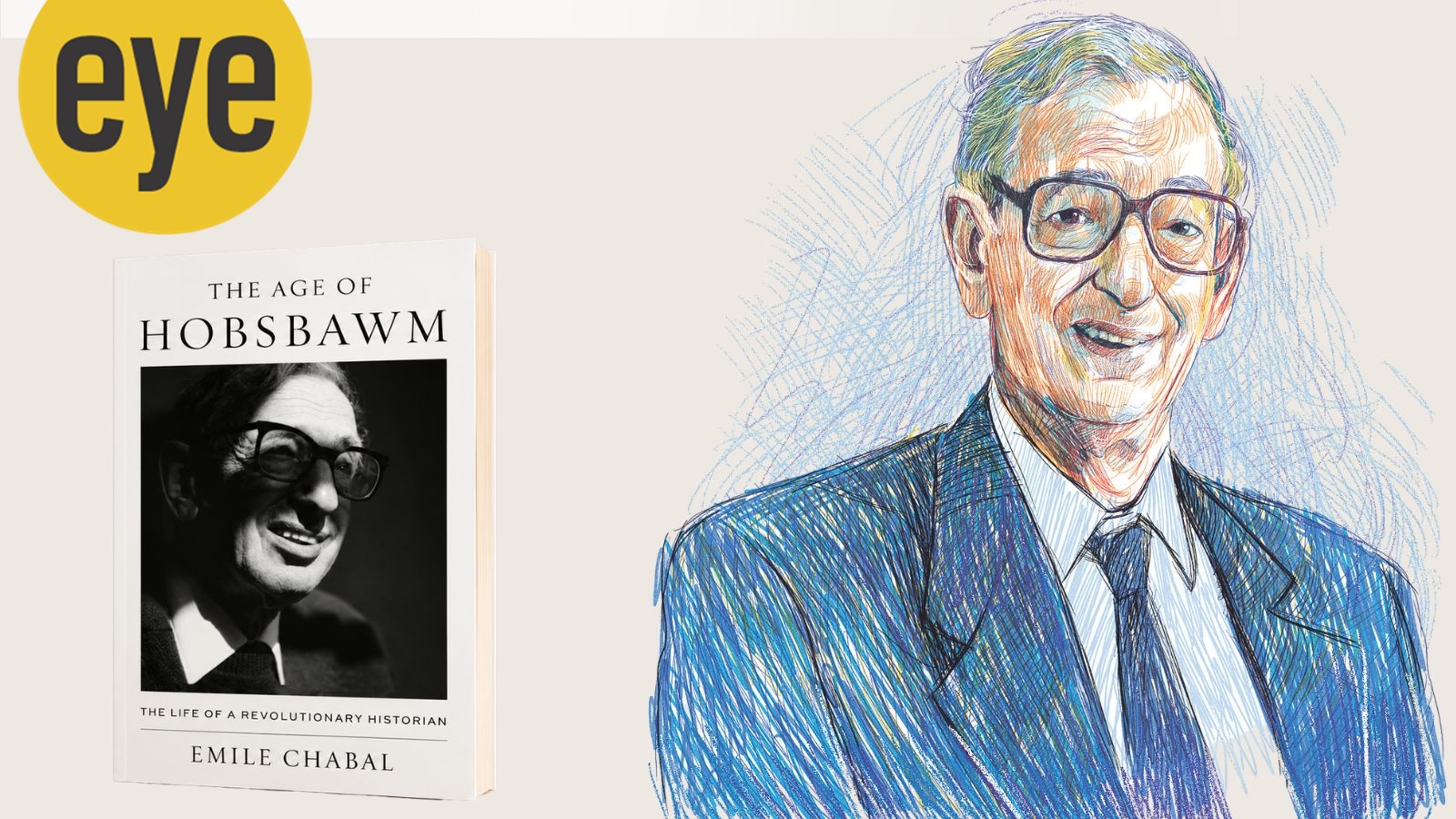
Eric Hobsbawm, the preeminent Marxist historian of his time, was a paradoxical figure. A lifelong communist and advocate for the marginalized, he benefited from the privileges of British academia while funding his research through resources provided by the US capitalist system. Hobsbawm's memoir, Interesting Times, painted him as a hero of the anti-fascist street battles in Berlin during the 1930s.
However, the work of historian Emile Chabal suggests that Hobsbawm was emotionally incapable of presenting the full truth about his life, leading to the creation of Chabal's biography. Chabal argues that Hobsbawm’s ideological devotion prevented him from telling the whole truth about his adult life, particularly regarding his stance on the Soviet invasion of Hungary in 1956, which he defended as a tragic necessity despite the condemnation from his peers.
Even as his political survival became difficult in Britain, he found solace in the intellectual networks of Italian Eurocommunism. Hobsbawm's ideological blind spots were evident in his approach to Latin America and India. Despite being bankrolled by the Rockefeller Foundation for his trips to Peru and Colombia, he championed a Peruvian military dictatorship simply for its promise of land reform, dismissing local intellectuals' concerns.
In India, Hobsbawm's Eurocentric theories of the subaltern class were quickly dismantled by Indian scholars like Ranajit Guha, proving that the marginalized in colonial India were political actors. However, these critiques did not hinder Hobsbawm's institutional influence, especially in India's universities. Even after India's independence, Hobsbawm remained a fixture in postcolonial statecraft, receiving a hero's welcome at Delhi University and JNU in 2004 and receiving a ceremonial breakfast with Prime Minister Manmohan Singh.
Hobsbawm's inability to grasp India's unique historical context led to his dominance in Indian academic circles, even though he did not truly understand the nation's intricacies. Hobsbawm's ideological evolution also reveals his complex views on nationalism. Initially dismissing the middle-class pursuit of nationalism, he later diagnosed it as a dangerous modern religion.
Eventually, he warned the Left that nationalism was a toxic force they could not control. His Jewish heritage led him to attack the foundations of Zionism, proving that for Hobsbawm, nationalism was a universal trap. Chabal's biography concludes on a melancholic note, as Hobsbawm struggled to come to terms with the collapse of the Soviet Union in 1991.
Privately, he admitted to an old comrade that he was a "prehistoric survivor," reflecting his emotional block in dealing with the Holocaust, a topic he claimed was "too difficult to face emotionally" due to his personal tragedy of losing his family during the Nazi regime. Despite his vast contributions to Marxist historiography, Hobsbawm's inability to confront his own emotional and ideological limitations ultimately overshadowed his significant historical achievements.
Written by urgent.news from The Indian Express's reporting — not their text. Machine-written — may contain errors; check the original before relying on it.