Colombia Teaches Farmers About the Origins and Preservation of Petroglyphs
There are several places in Colombia with petroglyphs, those engravings, some of them even thousands of years old, carved into stone by scraping or carving its surface through techniques such as incision, carving, or abrasion. But one place is special: the municipality of Tamesis, located in southwestern Antioquia, 143 kilometers from Medellin, and known as […]
Colombia is introducing farmers to the origins and preservation of petroglyphs, ancient engravings found across the country. The municipality of Tamesis, located in southwestern Antioquia, holds the title of having the greatest concentration of these carvings in Colombia, with over 1,500 engravings on 120 rocks. The Colectivo Rupestre, a group dedicated to the study and preservation of petroglyphs, launched the first School of Petroglyphs in Colombia in 2024 to educate farmers about the significance and proper care of these ancient drawings.
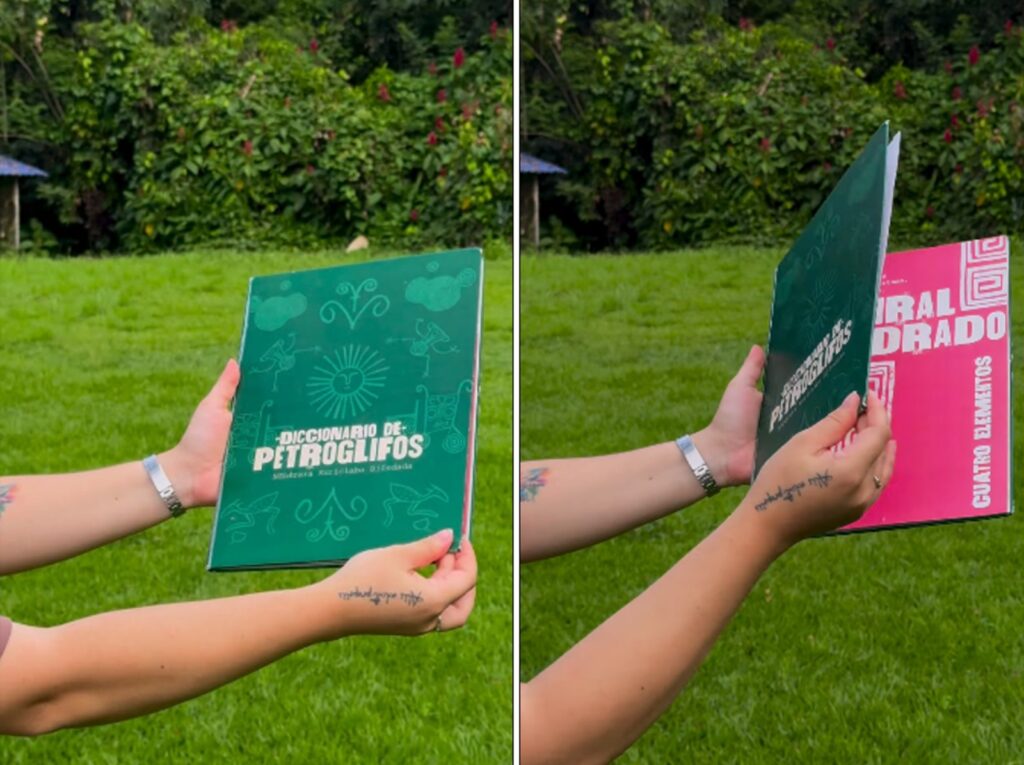
Most of the petroglyphs discovered in Tamesis were made in rural communities such as El Rayo, El Encanto, San Luis, El Hacha, and Otrabanda. Representations range from abstract to realistic and depict spirals, geometric shapes, human figures, animals, and figures that combine both. The Colectivo Rupestre created a Dictionary of Petroglyphs with 30 symbols interpreted by the Embera Chami community of the La Mirla reservation, recognizing the importance of this knowledge and its role in safeguarding the petroglyphs.
The School of Petroglyphs will consist of three field trips and ten workshops, providing farmers with insights into the ancestral knowledge behind the engravings, the archaeology of the landscape, and the connection between the territory and the rocks. Participants will also learn about proper care for the petroglyphs, practices that may cause damage, and actions that contribute to their conservation and the promotion of their heritage value.
Esteban Ardila, coordinator of Rupestres, emphasized that these rocks are a legacy of thousands of years that belongs not only to scientists, but also to the daily lives of the communities living near them.
Written by urgent.news from Colombia One's reporting — not their text. Machine-written — may contain errors; check the original before relying on it.