Genetics of personality associated with major life outcomes, study finds
The authors wrote, Genetic analyses indicate that personality traits have widespread, potentially causal associations with consequential behaviours and life outcomes
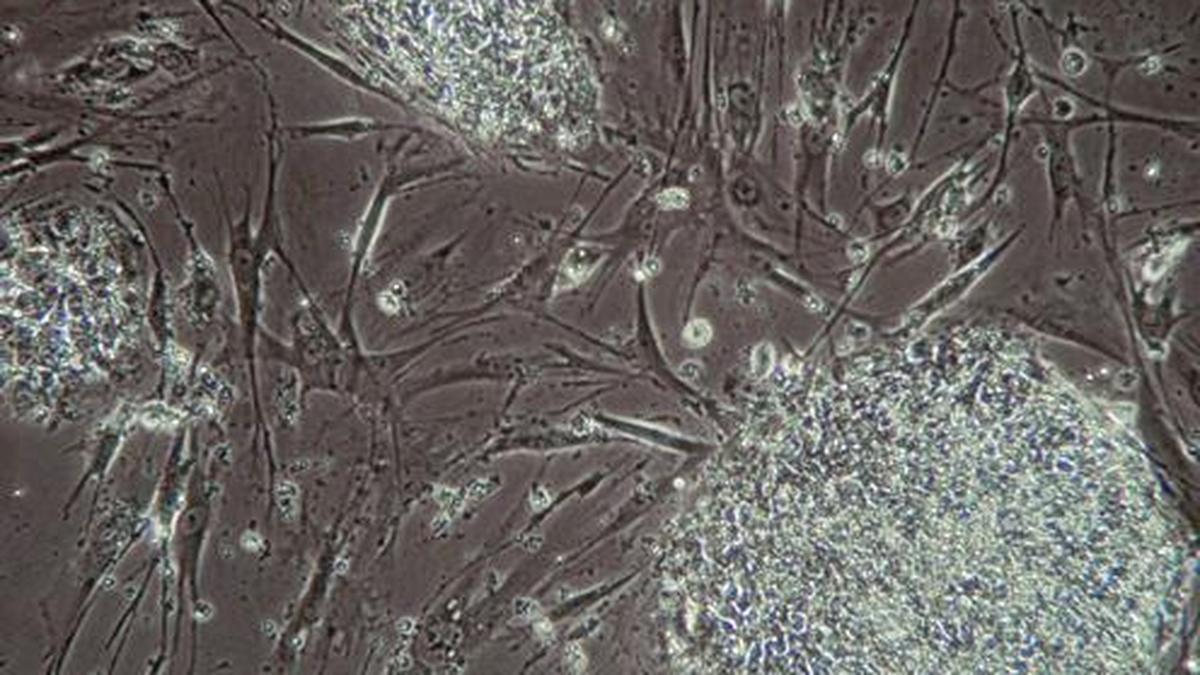
A new study reveals the genetics of personality are intricately linked to major life outcomes, according to research published in the journal Nature. An international team of scientists from the Revived Genomics of Personality Consortium analyzed data from 46 global cohorts and identified over 1,200 gene variants associated with the Big Five personality traits: openness, conscientiousness, extraversion, agreeableness, and neuroticism.
The researchers found that even small genetic differences can influence personality traits, which in turn are correlated with numerous life outcomes, including health behaviours, education, career paths, mental and physical health, longevity, and perceptions by others. For instance, genetic factors linked to conscientiousness were associated with increased physical activity, while traits related to openness and extraversion were connected to being night owls.
Lead author Ted Schwaba emphasized that there isn't a single "personality gene," but rather many genetic variants that, when combined, can significantly impact personality. He noted that environment also plays a crucial role in shaping personality, as seen in examples where genetic predispositions for extraversion influenced individuals to live in more cosmopolitan areas, reinforcing their traits.
Despite the genetic influence, the study stressed that environment remains a significant factor in personality development. However, the genetic data suggests that personality traits are relevant across various aspects of human life. For instance, neuroticism was linked to more hospital visits, while openness to experience was associated with higher income and job changes. The findings underscore the importance of incorporating personality traits into various research fields, from medicine to vocational studies.
Written by urgent.news from The Hindu Health's reporting — not their text. Machine-written — may contain errors; check the original before relying on it.