We Need a Cure for AI Health Hype
AI evangelists’ bold predictions about the technology’s ability to cure all diseases are overblown and oversimplified, writes Arianna Huffington.
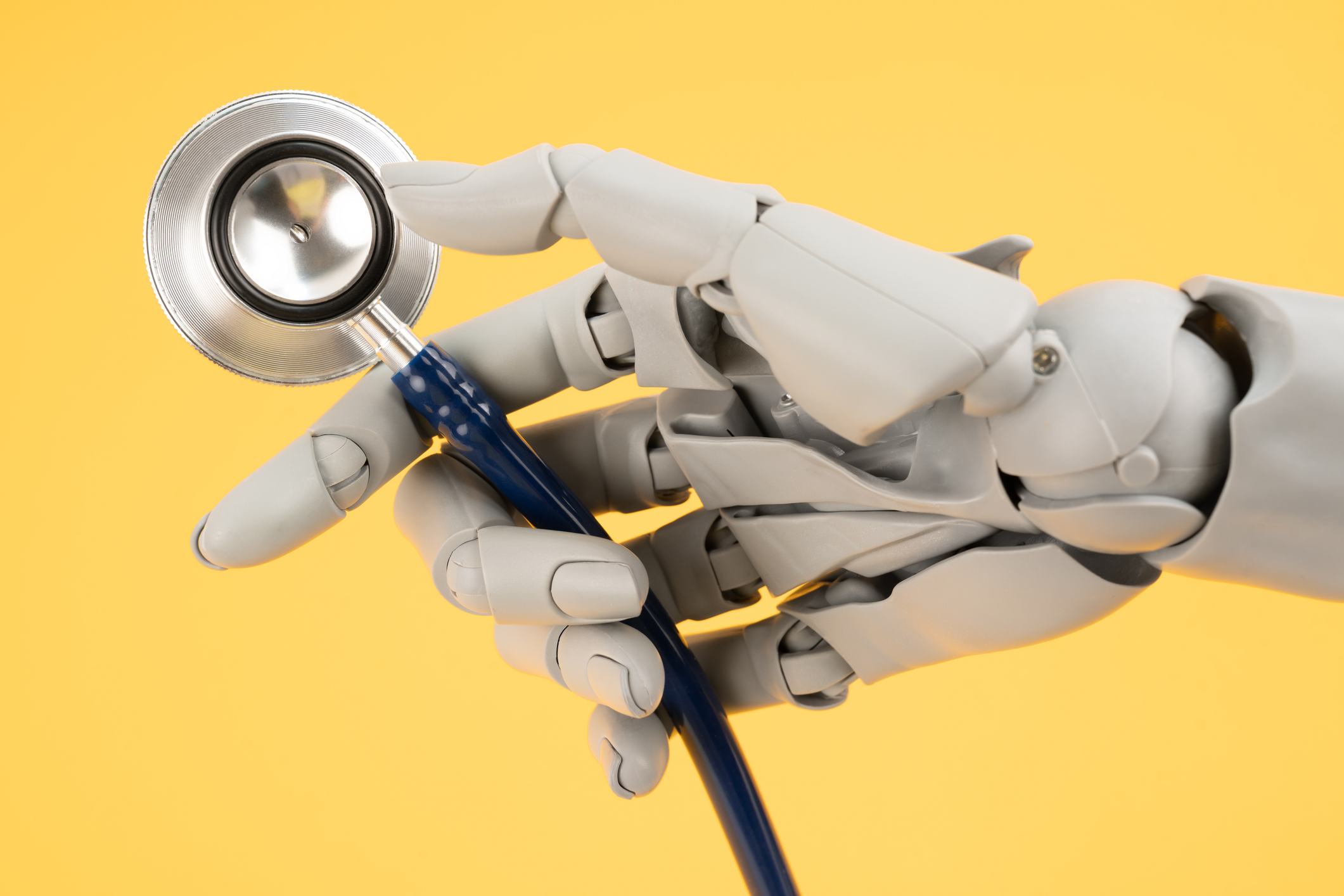
Dario Amodei, co-founder of Anthropic, recently expressed an ambitious view on the potential of AI, stating that most human diseases could be cured within the next 5-10 years. This sentiment echoes that of Demis Hassabis, co-founder of Google DeepMind, who declared on 60 Minutes that "we can cure all disease with the help of AI... maybe within the next decade or so, I don’t see why not."
These high-profile endorsements of AI's disease-curing capabilities are prevalent among AI leaders, but reality is considerably more sober.
Human nature poses a significant barrier to AI achieving universal disease cures. Estimates suggest that 80% of chronic diseases and premature deaths are not driven by genetics, but by lifestyle choices: diet, physical activity, sleep, stress management, and social connections. While AI can expedite drug discovery and help create personalized lifestyle recommendations, it cannot independently alter human behavior.
Dr. Eric Topol, a cardiologist, and Dr. Catherine Young, a Senior Fellow at Harvard T.H. Chan School of Public Health, both emphasize that there are no cures for common diseases like diabetes, Alzheimer's, and heart disease. They argue that expecting new drugs to solve these issues in the next 5-10 years is unrealistic and sets unreasonable expectations for AI.
Dr. Young notes that cancer, which scientists rarely claim to have "cured," is not a single disease but over 200 distinct diseases, each with unique causes, biology, and mechanisms.
The hype surrounding AI's disease-curing potential is reminiscent of predictions made in 2000, following the completion of the Human Genome Project. Then-Human Genome Project director Francis Collins predicted that within 20-25 years we could prevent or cure most cases of cancer, diabetes, heart disease, multiple sclerosis, and asthma. However, 26 years later, chronic disease rates continue to rise.
The current debate about AI's ability to cure all diseases serves as a warning sign of a larger issue: an excessive focus on improving machines at the expense of investing in human development. In 2024, Dario Amodei highlighted several limiting factors that could prevent AI from transforming the world for the better, with human constraints being the ultimate barrier.
Yuval Harari, in his book "21 Lessons for the 21st Century," warns that if we invest more in AI than in personal development, it could be detrimental to humanity.
Ultimately, the primary obstacle to maximizing AI's benefits is human nature itself. As we explore the potential of AI, we must also prioritize improving humans through healthier daily behaviors and nurturing our better selves to fully realize its potential.
Written by urgent.news from Time's reporting — not their text. Machine-written — may contain errors; check the original before relying on it.