The AI Writing "Witch Hunt" Is a Huge Waste of Everyone's Time
The "AI witch hunt" misdirects anger at the tool. AI didn't corrupt writing; it exposed human mediocrity and hypocrisy. Here is why the fight is flawed
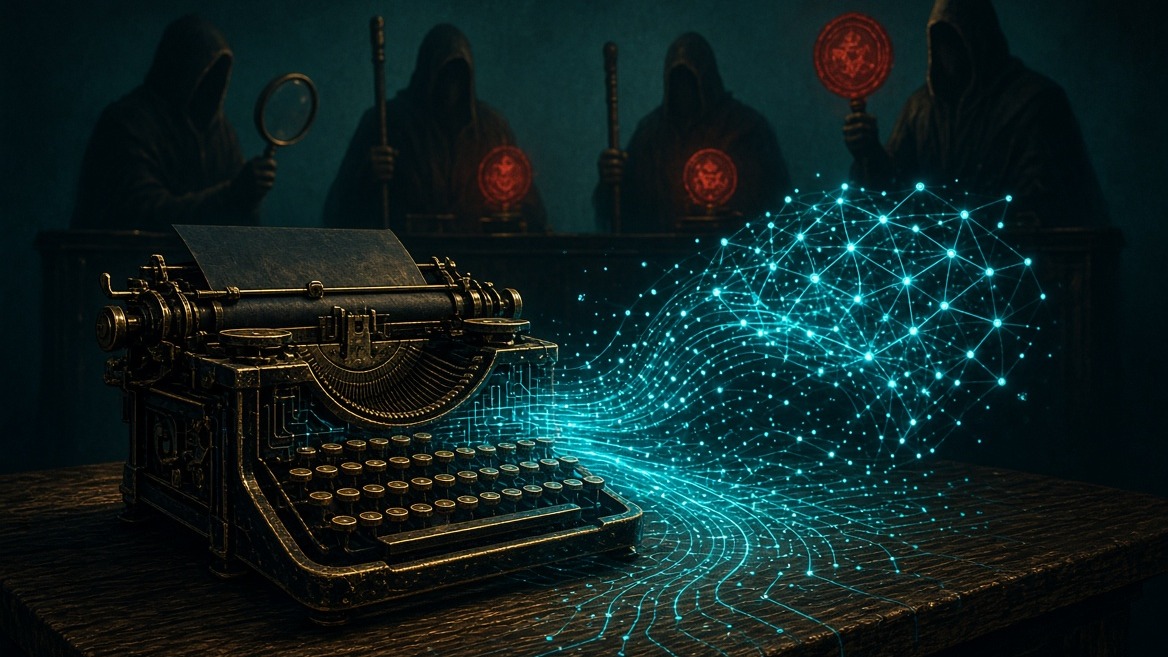
The fervor surrounding AI-generated text is an unwarranted battle against progress, posing more harm than good. Media outlets and writing platforms have recently become preoccupied with identifying and scrutinizing AI-written content, resulting in mandatory disclosures in submission forms and the implementation of detection algorithms.
This crusade, driven by authors and the general public alike, is built on a misguided premise that human-authored texts are inherently superior to AI-generated ones. This narrow-minded view overlooks the fact that humans have produced a plethora of formulaic, unoriginal, and intellectually shallow content throughout history. Yet, the emergence of AI-powered writing tools has sparked a renewed sense of pride in human authorship, despite the overwhelming abundance of poorly crafted articles, bureaucratic reports, and ideological noise.
Renowned cognitive psychologist and linguist Professor Steven Pinker has highlighted the issue, criticizing the excessive complexity and verbosity in academic writing. This needlessly convoluted language not only frustrates readers but also stifles the enjoyment of reading. Many authors rely on verbosity and excessive terminology as a means to evade clear and concise expression of their ideas, or due to a complete lack thereof.
In contrast, AI systems can articulate thoughts with clarity, precision, and conciseness, making a case for their legitimate place in the realm of human expression.
The opposition to AI-generated text is rooted in a logical flaw: the assumption that human authors are inherently superior. In reality, it is the human who must bear the responsibility for producing mediocre content, not the AI system. The issue lies not in determining which author is better, but rather in the hypocrisy of claiming AI work as one's own. The desire to steal intellectual credit and cloak mediocrity is an intrinsic part of human nature, compounded by vanity and dishonesty.
It is essential to view AI-generated texts not as a threat to intellectual depth, but as a potential tool for enhancing human communication. These tools can produce engaging and well-structured content that may rival or even surpass the quality of human-authored works. Rather than launching an "AI witch hunt," the focus should be on identifying and condemning those who misuse AI to mask their own lack of effort and originality.
By doing so, the discourse surrounding AI-generated text can shift from an irrational battle against technology to a constructive dialogue about maintaining intellectual integrity and fostering genuine authorship.
Written by urgent.news from HackerNoon's reporting — not their text. Machine-written — may contain errors; check the original before relying on it.