Nach monatelangen Verzögerungen: Die Deutsche Isar-Aerospace-Rakete ist erfolgreich ins All gestartet
Es ist ein grosser Schritt für Europas Raumfahrtindustrie: Ein erst 2018 gegründetes bayerisches Start-up schiesst beim zweiten Test eine Rakete ins All.

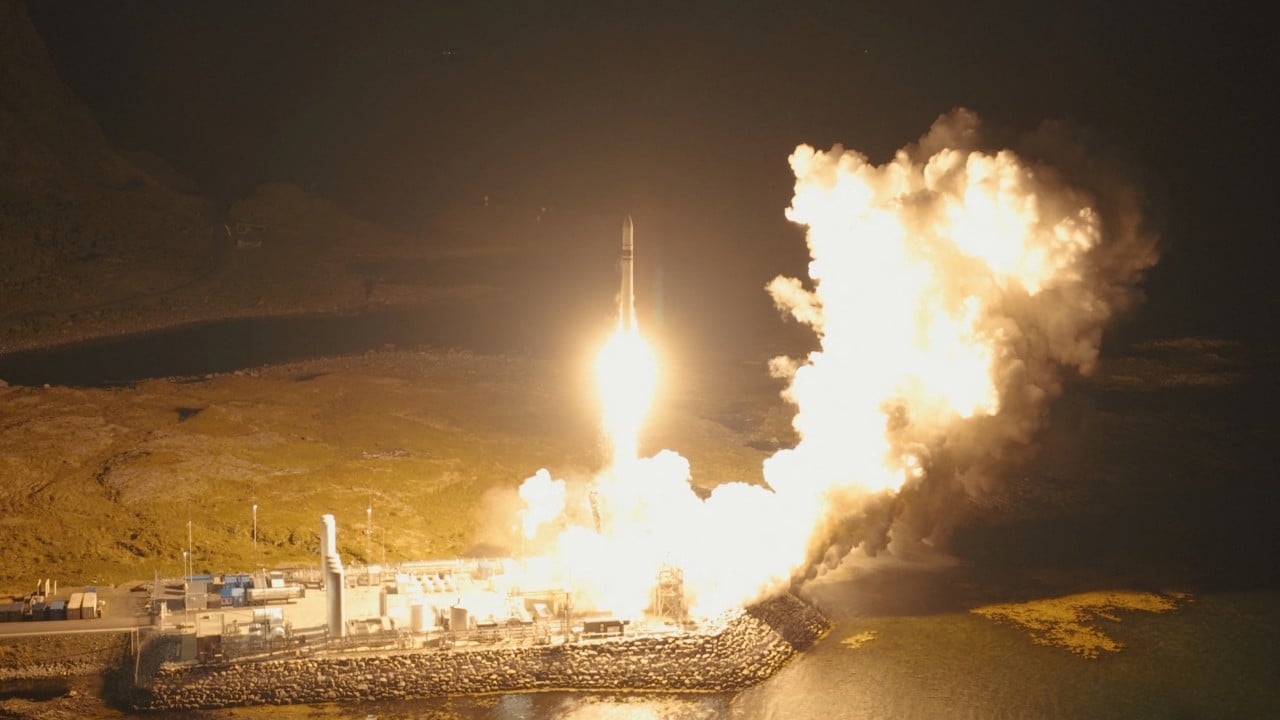
After several delays, the German Isar Aerospace rocket has successfully launched into space. This marks a significant milestone for Europe's space industry. Spectrum-Rakete, the rocket built by the Bavarian start-up Isar Aerospace, successfully completed its second test flight into space. The rocket blasted off from the Norwegian launch site Andøya at 10:12 PM, as seen on a live stream.
After ten minutes, the video feed cut off as the rocket reached its maximum range of transmission. During the initial attempt in March 2025, the rocket only lasted for 30 seconds before crashing. The Ottobrunn-based company celebrated a major success after months of delays and four postponements of the second test flight. According to the moderators of the live broadcast, the rocket reached an altitude of about 100 kilometers above the Earth's surface, marking the beginning of space, shortly after four minutes of the launch.
The first stage of the rocket was visible during the live broadcast. The Spectrum-Rakete carried five scientific satellites from various universities and a scientific experiment as its payload. It is unclear whether the satellites were successfully placed in orbit. The rocket was initially scheduled to launch in January, but the first date was changed due to a defective valve, and the second attempt in March was interrupted by a Norwegian fisherman who did not leave the safety zone in the waters near the launch base in time.
In April, the start preparations were canceled due to a leaking pressure container, and again in June. Isar Aerospace plans to conduct more launches this year, with the third Spectrum-Rakete already well advanced in construction. The rocket is intended to deliver civilian and military satellites to low Earth orbits just a few hundred kilometers above the Earth once it is ready for series production.
Production of 40 rockets per year is planned. Both the German government and the EU and other European states have a strategic interest in the success of the company with its 400 employees. Isar Aerospace has raised over half a billion euros in investor funds so far. The company has also signed a contract worth 200 million euros with the European Space Agency ESA, as part of an ESA program to accelerate the development of European launch vehicles.
The majority of European satellites are currently launched from SpaceX, which is unpopular among European aerospace companies because they have to disclose the technical specifications of their satellites to the United States. Last year, the United States launched 198 rockets, while Europe launched only eight. According to Isar Aerospace, the company is already booked for several hundred million dollars in contracts by 2028, even though the rocket is not yet ready for series production.
Federal Chancellor Friedrich Merz visited the site in Andøya on March 13 alongside the Norwegian government chief Jonas Gahr Støhre. However, the German Spectrum-Rakete will not be able to reach greater heights in space even after reaching series readiness. This task will be taken over by the French-German ArianeGroup, which plans to launch seven to eight Ariane 6 rockets this year, following the long delays of the Ariane 6 type.
Written by urgent.news from NZZ Wirtschaft's reporting — not their text. Machine-written — may contain errors; check the original before relying on it.