Iran faces dilemma in Hormuz Strait as Gulf oil flows, economy falters
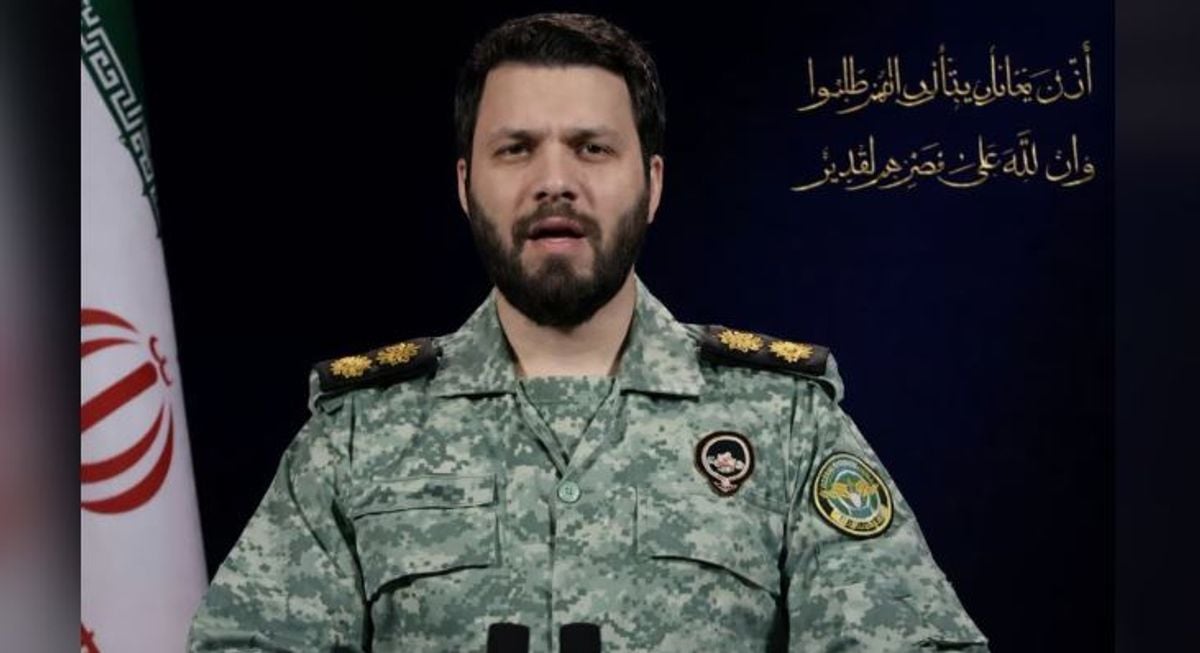
Iran’s leverage over the Strait of Hormuz is waning as Gulf oil exports continue and economic pressures mount, according to a Wall Street Journal analysis.
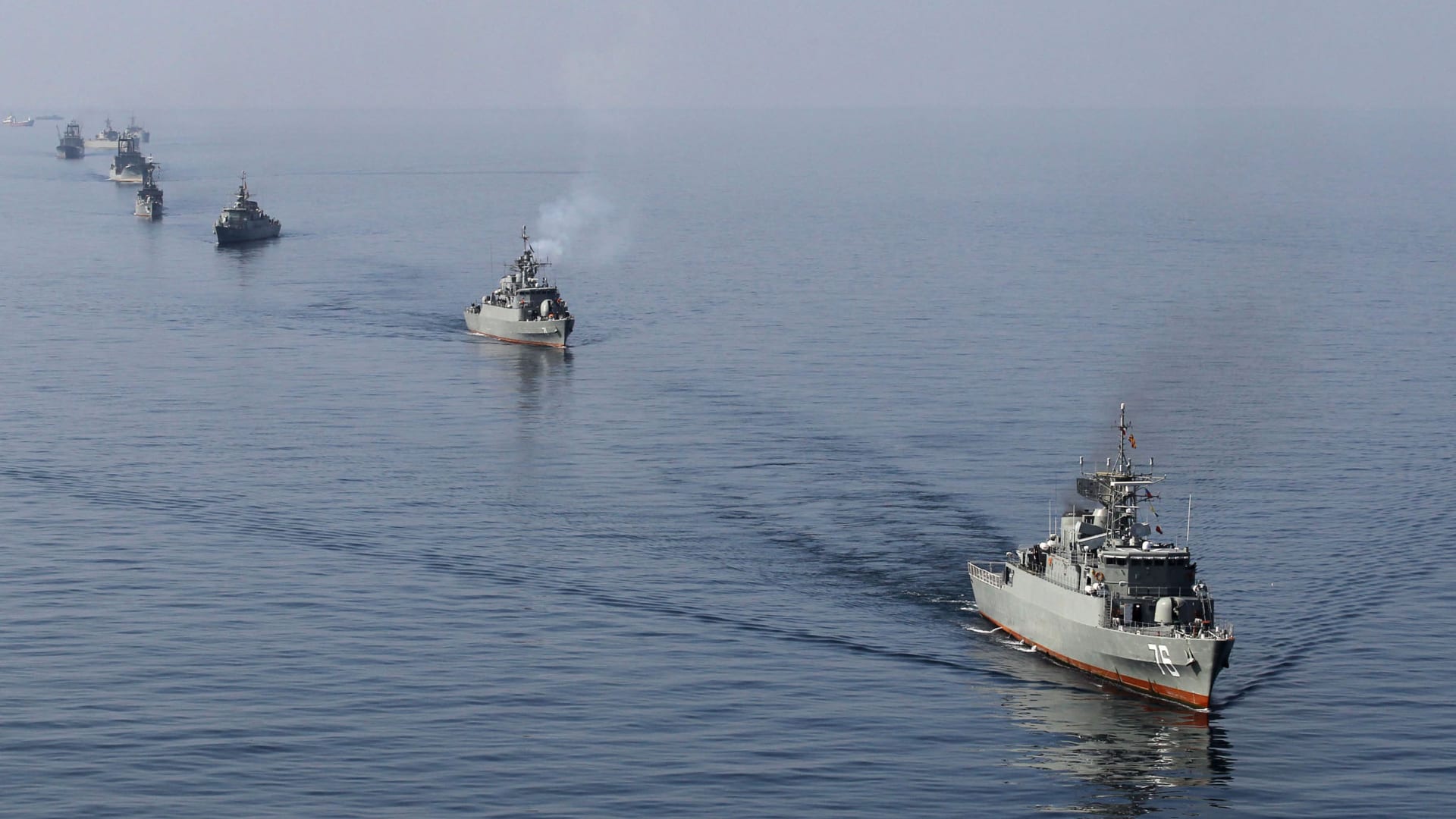
The Wall Street Journal's analysis reveals Iran's diminishing influence over the Strait of Hormuz amid ongoing Gulf oil exports and mounting economic strain. As the standoff drags on, Iran's capacity to leverage the vital oil passage has waned, while the economic repercussions of the blockade intensify. When Iran initially closed the Strait six months ago, it bet on disrupting a major oil route, potentially sparking a global economic crisis and forcing US President Trump to capitulate.
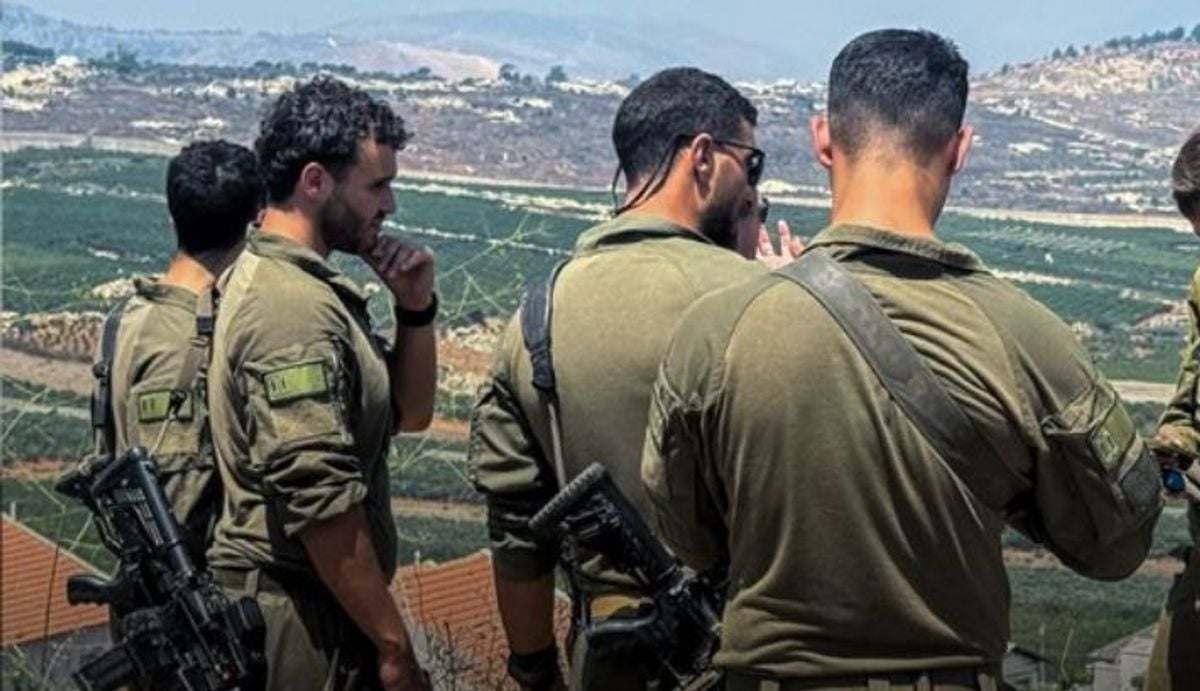
However, these hopes have not borne fruit. Since July, the US naval blockade has blocked Iran's oil exports through the Gulf while Washington supports Gulf Arab states in continuing their oil shipments via the strait, despite Iranian missile and drone attacks. According to TankerTrackers, approximately 5 million barrels of crude oil—predominantly from non-Iranian nations—passed through the Strait daily over the past 28 days, alongside around 2.5 million barrels transported via Gulf ports.
This surpasses 40% of the oil flow through the region prior to the conflict. Samir Madani, co-founder of TankerTrackers, noted, "The Iranian blockade proves more permeable than the American one," emphasizing Iran's inability to completely seal the strait. The Journal points out the continued flow of Gulf oil underscores Iran's waning ability to choke its neighbors' exports via the Strait of Hormuz, despite ongoing targeting of vessels.
Meanwhile, economic hardships within Iran are mounting, with trade plummeting 25-35%, the rial's value declining, inflation surging, and fuel shortages proliferating. Iranian officials had predicted at the start of the US blockade that the country could endure about five months without facing catastrophic economic fallout—a timeline now rapidly approaching.
Despite these pressures, the economic crisis has yet to ignite a popular uprising against the regime. Iran's leadership now stands at a crossroads: retreat and reopen the strait, forfeiting its primary bargaining tool, or escalate militarily in an attempt to break the blockade. Vali Nasr, a professor of Middle East Studies at Johns Hopkins University, suggests escalation may be the more probable choice, as Tehran could believe that heightened military pressure would position it more favorably for renewed negotiations, allowing for fewer concessions.
However, continued escalation carries significant risks for Iran, particularly as its economic power wanes and its leverage over the Strait of Hormuz diminishes. The Journal highlights that the central question is no longer merely whether Iran can use the strait to pressure its adversaries, but also how long it can sustain the costs of keeping it closed while Gulf oil continues to circulate freely around the globe.
Written by urgent.news from Ajel English's reporting — not their text. Machine-written — may contain errors; check the original before relying on it.
This story
This is one outlet's version. Read the fullest account.