Colombia Consolidates Network to Strengthen Biodiversity Monitoring with Camera Traps
Colombia, the second country with the largest records of fauna and flora on the planet, required coordination among public institutions, private enterprise, communities, and technological advances to learn about and care for its rich biodiversity. That stage is already being consolidated with the creation of a new network that seeks to generate reliable information to […]
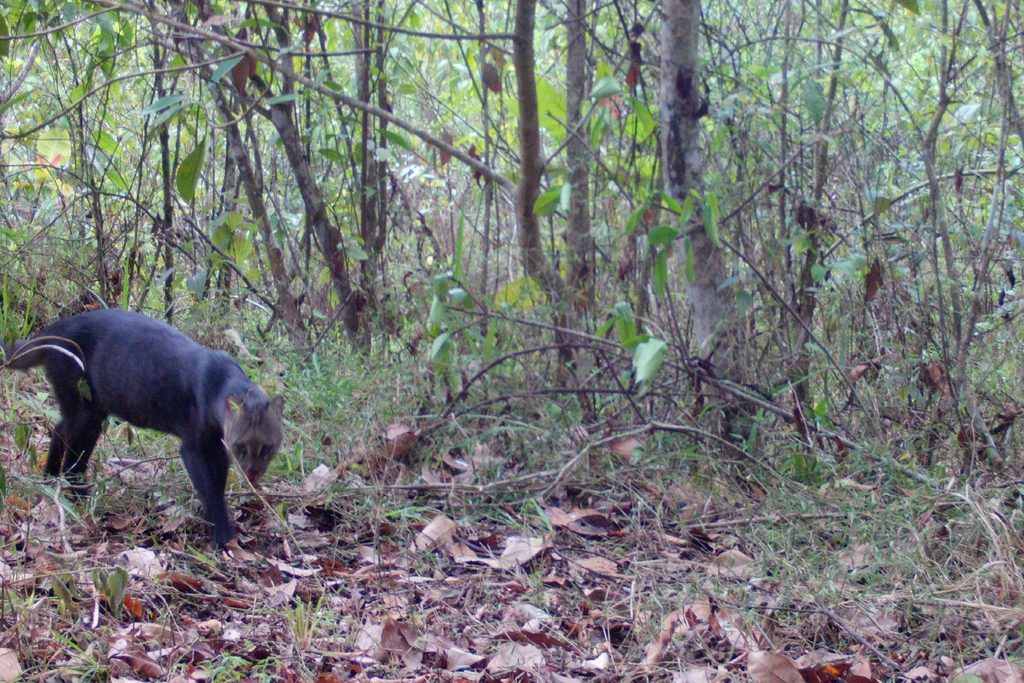
Colombia has successfully established the OTUS (Observatorio de Tecnologías para el Uso Sostenible) Network to enhance biodiversity monitoring using camera traps. This network spans the Caribbean, Andean, Pacific, and Orinoco and Amazon foothills regions, with 1,141 locations and 868,002 images processed, resulting in 240,777 validated wildlife records.
The OTUS Network brings together public institutions, private enterprises, communities, and technology to gather reliable biodiversity data for informed conservation decisions. In its first phase, launched in 2024, the alliance includes the Humboldt Institute, Conservation International Colombia (CI), regional and sustainable development corporations, Wildlife Insights, and Google.
The network's director, Hernando Garcia, explained that it integrates people, institutions, and technology, enabling the analysis of regional data for effective conservation strategies. Juan Camilo Narino from the Colombian Mining Association emphasized that OTUS is an information infrastructure connecting field monitoring with data processing, analysis, and publication tools, allowing decision-makers to incorporate biodiversity knowledge into project planning.
To date, the OTUS Network has captured images from various regions, including camera traps in the mining sector, contributing to the monitoring and protection of Colombia's biodiversity. The network's data visualization system enables stakeholders to access and interpret monitoring information, ensuring biodiversity data is not confined to isolated databases but is integrated and utilized effectively for conservation efforts.
Written by urgent.news from Colombia One's reporting — not their text. Machine-written — may contain errors; check the original before relying on it.