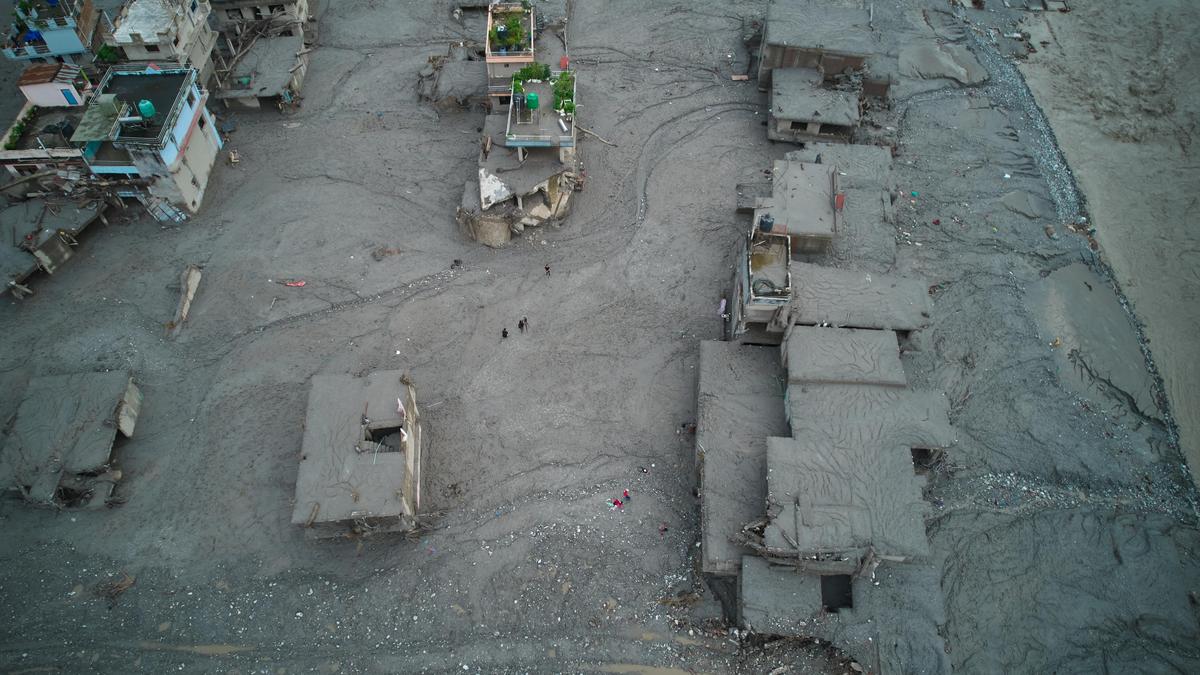
Why early warning signs of glacier collapse in Nepal were difficult to detect
The glacier collapse that led to devastating flash floods across the Himalayan region of Nepal and its border with the Chinese autonomous region of Tibet on August 26 was preceded by early warning signs, experts say. But monitoring and emergency alert systems in the region are still insufficient to predict such disasters.
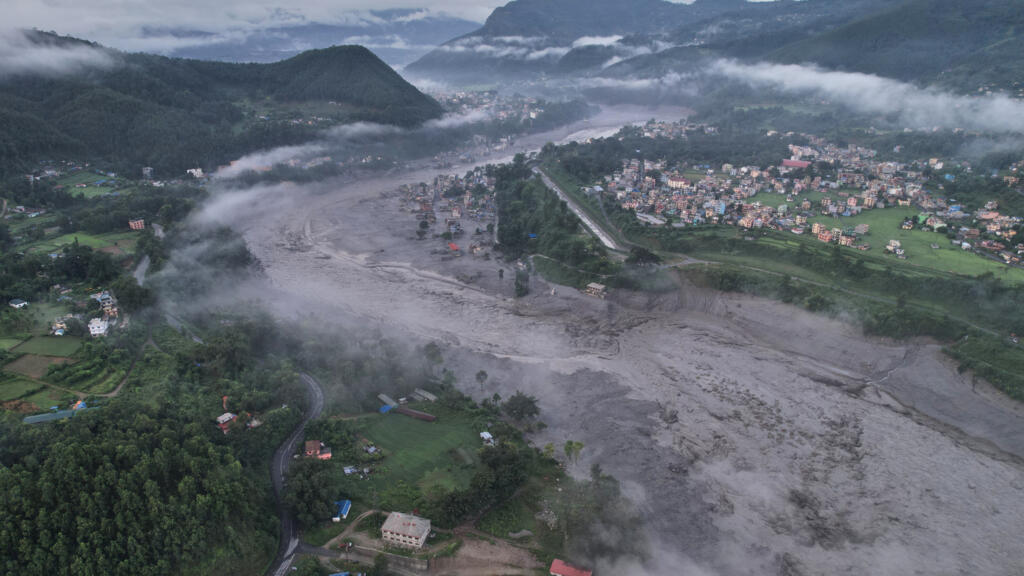
A glacier collapse on August 26 led to devastating flash floods in the Himalayan region of Nepal and its border with Tibet. Experts say early warning signs of the collapse were present, but monitoring and emergency alert systems in the region are still insufficient.
The glacier collapse occurred at Langtang Lirung on the Nepalese side of the border. According to China's National Climate Centre, the death toll in China was 21 with 541 people missing, while in Nepal, the death toll rose to 1,114 with about 3,900 people still missing.
Glaciers on the Tibetan Plateau are likely to become more unstable, which may lead to more collapses and collateral disasters, a senior climate official warns. The glacier area on the Tibetan Plateau has shrunk by around 24 per cent over the past 60 years, with around 7,000 small glaciers disappearing completely. China has provided emergency supplies and DNA identification experts to Nepal.
Brief written by urgent.news from France 24, Live Mint, South China Morning Post, Reuters Business via SCMP — 4 reports on this story. Machine-written — may contain errors; check the original before relying on it.
This story
This is one outlet's version. Read the fullest account.