What caused the Nepal floods and how can South Asian countries prepare for them in the future?
Safi Ahsan Rizvi, former advisor, NDMA and a disaster risk analyst speaks to The Hindu
A former Indian Police Service officer and expert in disaster management, Safi Ahsan Rizvi, believes a regional data-sharing mechanism is essential to address the increasing risks of glacial outbursts in the Himalayas. This technology would enable real-time information-sharing among neighboring countries, improving preparedness and reducing disaster risks.
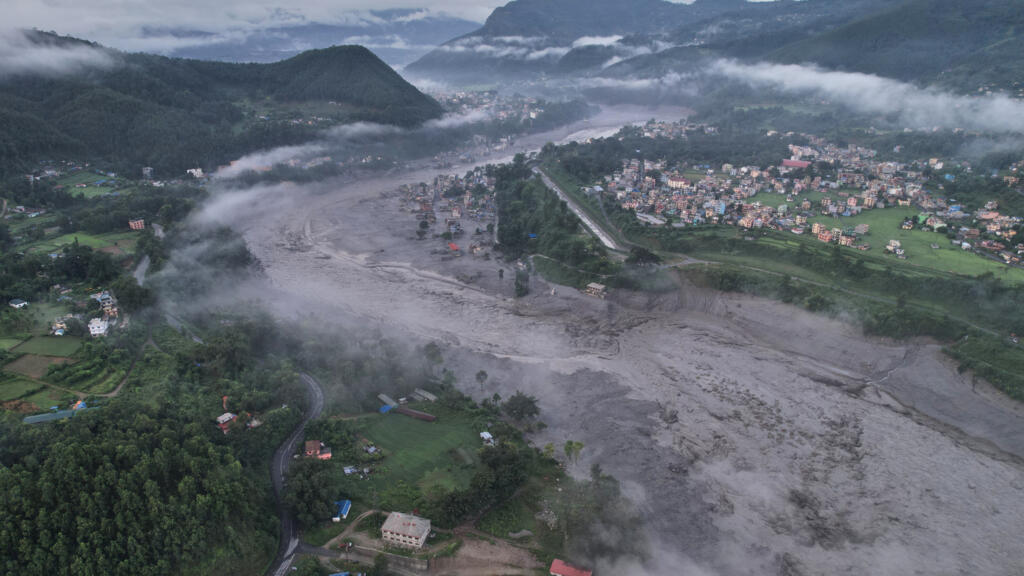
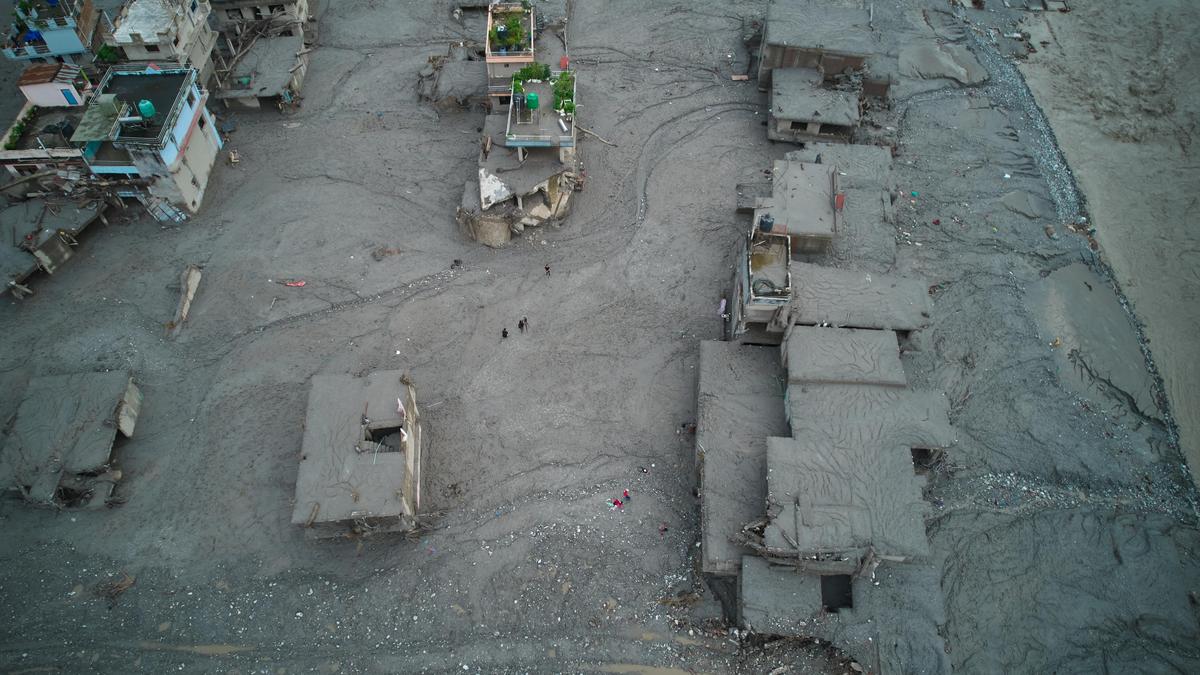
The recent devastating floods in Nepal were triggered by a rock-ice avalanche, though the exact cause remains uncertain. It is unclear whether the slope destabilization or the geological failure occurred first. The volume of water involved in the flood was also significant, potentially several times greater than the South Lhonak glacial lake outburst flood in Sikkim in 2023. However, no large pre-existing glacial lake was identified in the area.
The terrain played a crucial role in the speed at which the flood traveled downstream. The avalanche fell nearly a kilometer vertically before racing down steep slopes, aided by the combination of gravity, water, and debris. This disaster differed from a conventional glacial lake outburst flood (GLOF), which occurs when meltwater accumulates in front of a retreating glacier, often held back by fragile moraine material.
Climate change is accelerating glacier melt, expanding high-risk glacial lakes, and increasing the frequency of extreme weather events across the Himalayas. The high-risk nature of the Himalayas implies that such disasters are becoming more common. To mitigate these risks, river valleys containing high-risk lakes should have early-warning systems, evacuation plans, and risk-reduction measures.
India has identified 195 high-risk glacial lakes, classified based on factors such as rapid growth, unstable moraine dams, steep snow- and rock-covered slopes, and the lack of a safe outlet. While the list aims to prioritize action, efforts need to be significantly scaled up. Early-warning systems can significantly reduce loss of life and should be established in every high-risk valley, with contributions from governments, hydropower companies, private-sector actors, and non-profit organizations.
Written by urgent.news from The Hindu - Sci-Tech's reporting — not their text. Machine-written — may contain errors; check the original before relying on it.