Nepal’s deadly Himalayan tsunami: Climate change, glacier retreat or natural geology — what caused it?
KATHMANDU, Sept 4 — Nepal is reeling from a deadly Himalayan glacial mountain collapse on the border with China th...
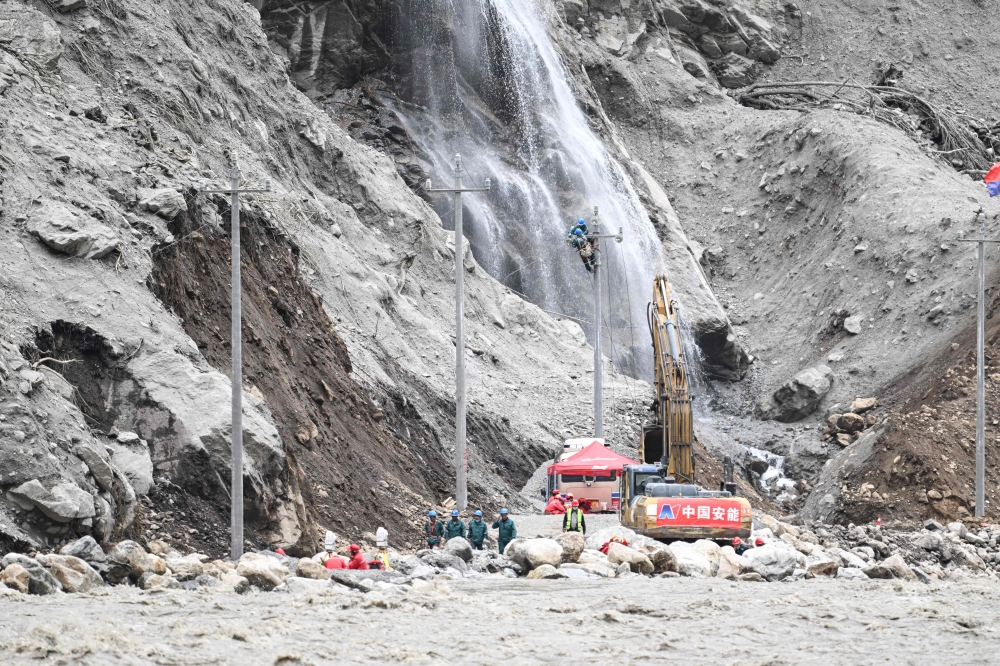
KATHMANDU, September 4 — A devastating glacial collapse in the Himalayas along the Nepal-China border has claimed over 1,300 lives and left around 5,600 individuals missing across the two nations. Scientists are currently investigating the August 26 disaster, described by Nepal's foreign minister as a "Himalayan tsunami." Here is an overview of the findings so far.
The catastrophe occurred at 8:37am local time when a chunk of ice and rock broke off the northern face of Nepal's Langtang Lirung mountain. The debris, exceeding one kilometer wide and nearly 700 meters vertically, plummeted 800 meters onto a glacier-covered slope before racing downhill. The debris traveled approximately 20 kilometers, descending 1,700 meters at Rasuwagadhi in just seven minutes, according to ICIMOD geologist Sudan Bikash Maharjan.
The high elevation drop and rapid movement contributed to its destructive force. The collapse generated two lakes, one of which is slowly draining, while the other is unlikely to cause significant flooding. The cause of the mountain collapse remains uncertain, but multiple factors may have contributed. The glacier in the region shrank by about 450 meters between 1990 and 2020, exposing rock that was previously covered by ice.
Climate change may have played a role by accelerating glacier retreat, weakening mountain slopes, and increasing water penetration into cracks. However, experts emphasize that attributing the disaster solely to rising temperatures is premature. No earthquake, extreme rainfall, or sudden heat surge preceded the collapse. A major earthquake in 2015 might have contributed to the long-term instability of the mountain.
While climate change can make such events more likely, geoscientist Jakob Steiner cautions against attributing the disaster solely to warming. It is still unclear if the disaster could have been predicted. Scientists are examining potential warning signs, such as accelerated glacier movement and increased meltwater in the weeks before the collapse.
However, neither factor alone could have reliably predicted the catastrophic event. Understanding the August 26 disaster could lead to the development of tools to predict future occurrences. Experts stress the importance of better long-term monitoring, data sharing, and coordination to prevent similar disasters in the future.
Written by urgent.news from Malay Mail's reporting — not their text. Machine-written — may contain errors; check the original before relying on it.