When a beach looks safe, but isn’t — Marziah Zahar
SEPT 4 — A beach can look peaceful.The water can sparkle under the afternoon sun. The sand can look inviting. Teen...
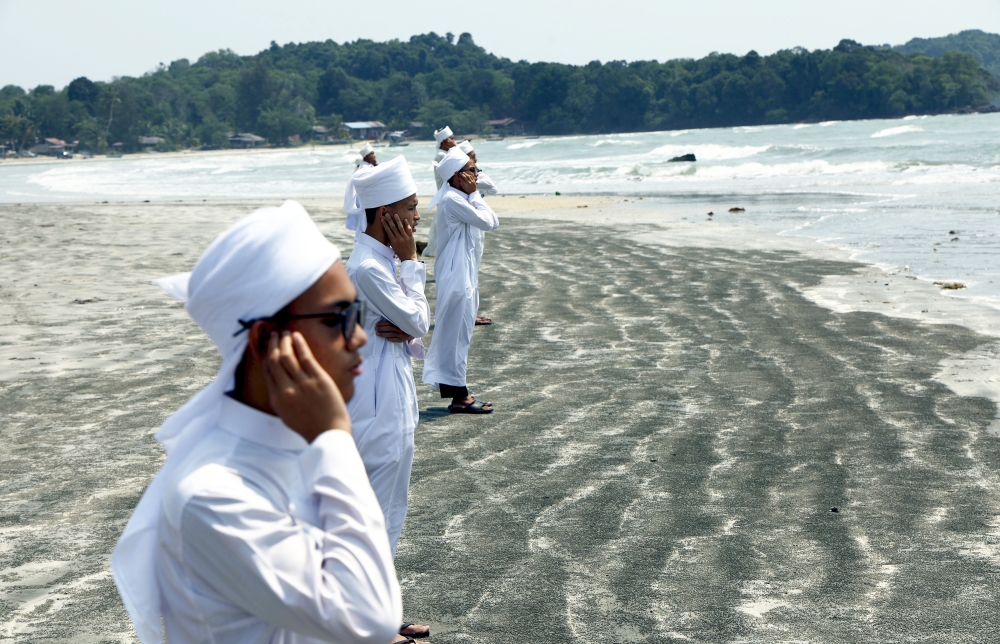
On September 4, a beach tragedy unfolded at Tanjung Lompat Beach, where six teenagers aged 16 faced a heartbreaking situation while camping with a larger group. Two victims were rescued, two bodies recovered, and the search continues for the remaining two. For their families, these are more than just numbers; they represent sons, children, and loved ones. As someone who educates on Safety, Health and Environmental studies, the author grapples with a critical question: Did these young people recognize the beach's danger?
The beach's beauty can mask underlying hazards. A beach might appear peaceful and inviting, but it could conceal strong currents, making it unsafe for swimming or camping. Safety education emphasizes that hazards are not always immediately apparent. This applies even more so to teenagers, who are naturally curious and influenced by friends. However, safety measures should not rely solely on personal judgment. The environment itself must assist in fostering safer choices.
Effective safety communication is vital. A "No Entry" sign might go unnoticed if its purpose isn't understood, while "No Swimming" communicates a specific hazard. Messages such as "Dangerous currents – risk of drowning" convey the real risk. Proper signage should inform three key points: what is dangerous, what could happen, and what action to take. With the rise of social media, beautiful images of secluded beaches can mislead people into believing they are safe for recreation, without revealing the hidden dangers.
Instead of waiting for tragedies to improve prevention, we must consider what conditions allowed incidents to occur. Were locations clearly marked as unsafe? Were hazards effectively communicated through visible and comprehensible warning signs? Were weather and sea conditions accurately conveyed? Were emergency preparedness and visitor safety plans in place? These questions highlight that several minor oversights can combine to create a dangerous situation.
Safety should not stifle our love for nature. However, it should ensure that people enjoy natural environments with informed choices. Malaysia boasts stunning natural landscapes, and it is essential to encourage exploration, but with appropriate information. People should know if a location is unsuitable for recreation, if sea conditions are dangerous, if an area is remote and difficult to reach by emergency services, or if there is a lifeguard on duty.
Ultimately, prevention is about replacing uncertainty with knowledge, allowing everyone to make safer, informed decisions.
Written by urgent.news from Malay Mail's reporting — not their text. Machine-written — may contain errors; check the original before relying on it.