US-Iran war: What UAE residents need to know today (Sept. 4, 2026)
As the US-Iran war enters its seventh month , President Donald Trump has again sought to emphasise the strength of the US military arsenal, saying Washington has virtually "unlimited" supplies of ammunition for the campaign against Iran. His comments come amid reporting that the pace of the conflict had put pressure on some US stocks of certain weapons. The Pentagon has been working to increase…
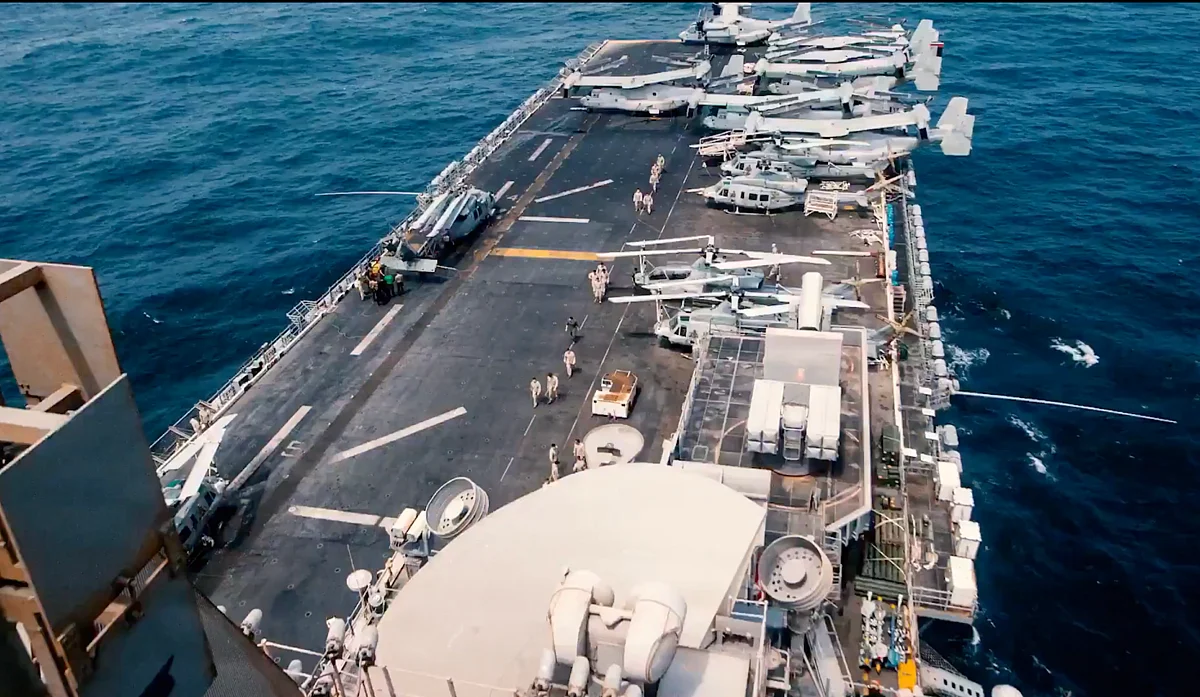
As the US-Iran conflict enters its seventh month, President Donald Trump has stressed the United States' military prowess, boasting of virtually unlimited ammunition supplies for the campaign against Iran. However, reports indicate that the conflict's intensity has strained certain US stocks of specific weapons. The Pentagon is actively working to boost production.
Washington's stance is clear: it is ready to sustain military operations to achieve its objectives in Iran, which include curbing Iran's nuclear ambitions and halting disruptions to Hormuz shipping.
For UAE residents, the war's impact is primarily felt through air travel disruptions, shipping risks, heightened regional security concerns, and rising oil prices. The conflict's effects are less direct, as there is no ongoing fighting on UAE soil. Instead, residents are grappling with the broader consequences, such as disrupted air travel, increased shipping risks, heightened security concerns, and the potential for further oil price hikes.
The economic situation in Iran is deteriorating due to a combination of US sanctions and a naval blockade. Exports and imports have dropped by approximately 35%, while inflation has climbed to nearly 70%. The Iranian rial has plummeted to record lows. Iran's oil exports have plummeted from around 1.7 million barrels a day to about 260,000 since the Trump administration implemented a three-pronged strategy involving bombings, sanctions, and the blockade.
This blockade is proving particularly challenging for Iran, which previously relied on shadow fleets, intermediaries, ship-to-ship transfers, and China as crucial buyers of its oil. Rescinding these channels of oil export threatens Iran's ability to generate foreign currency, support the rial, and maintain economic stability.
The US Navy is strictly enforcing the maritime blockade around Iran's ports, conducting compliance checks on commercial ships in the Gulf and Arabian Sea. As of September 2, 86 commercial vessels were redirected, with three disabled and two boarded during enforcement operations. This steady increase in blocked shipping activity highlights the growing impact on Iran's economy.
The US government is also taking economic measures against countries that assist Iran in evading sanctions. US Secretary of State Marco Rubio warned that nations aiding Iran in circumventing American sanctions could face repercussions. While the US respects other countries' diplomatic relationships with Iran, it will not tolerate facilitating mechanisms that could generate revenue for Iran's terrorism or nuclear programs.
Iran has continued to claim attacks on US bases and ships, but the US defense official has denied at least one such assertion. Additionally, the US Central Command reported escorting 40 ships carrying 18 million barrels of oil through Hormuz, despite the ongoing tensions.
The Strait of Hormuz, a vital energy chokepoint, has experienced a significant reduction in shipping traffic due to the ongoing conflict. This reduction poses a major risk for the UAE, which relies on alternative routes, including those through Fujairah, to transport oil exports. While the broader Gulf economy might not entirely escape the consequences of prolonged disruption, airlines operating from the UAE have adjusted their schedules in response to changing regional airspace and security conditions.
Various international carriers, such as Emirates, Etihad Airways, flydubai, and Air Arabia, have issued cancellations, suspensions, or schedule changes during the latest escalation.
Written by urgent.news from Gulf News's reporting — not their text. Machine-written — may contain errors; check the original before relying on it.