US Army shuts down specialized drone warfare unit as lawmakers raise concerns over loss of battlefield expertise
The U.S. Army is backing away from a specialized experimental drone warfare unit less than a year after it was created, as U.S. lawmakers raise concern over the loss of battlefield expertise stemming from Ukraine’s drone innovation.
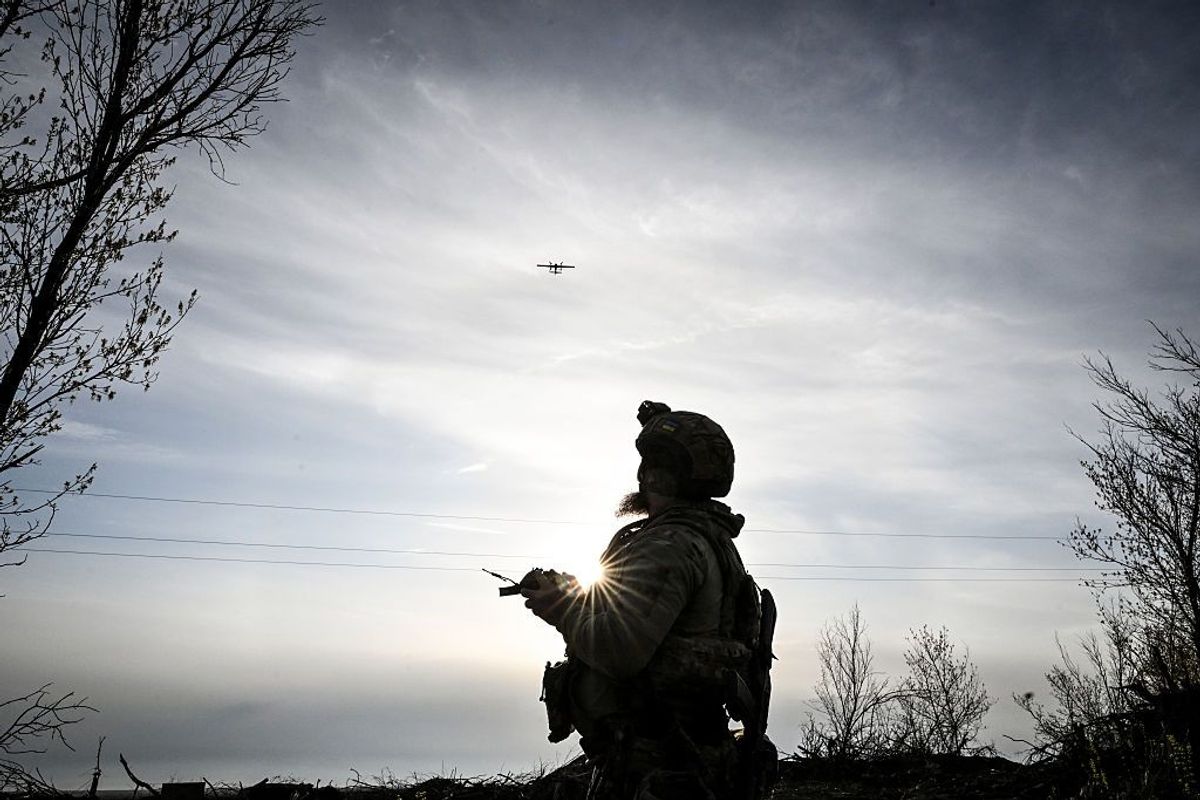
The U.S. Army is terminating a specialized experimental drone warfare unit, less than a year after its inception, amid growing concerns from U.S. lawmakers over the potential loss of battlefield expertise, particularly from Ukraine's drone innovation. The 600-member unit, part of the Europe-based 173rd Airborne Brigade, had been developing drones and refining tactics influenced by Ukraine's battlefield experiences.
Initially, the unit focused on attack drones, artificial intelligence, and other emerging technologies. However, the Army's decision to revert the unit's focus to traditional airborne infantry operations prompted a bipartisan group of lawmakers to express their worries. Senators Jeanne Shaheen, Thom Tillis, and Angus King, along with Rep. Mike Turner, co-signed a letter to the Army, published on September 2, requesting an explanation for the decision.
They emphasized the potential negative impact on the U.S.'s ability to learn from Ukraine and modernize drone warfare quickly enough to stay competitive on the modern battlefield. The senators stated that the specialized unit was a "prudent response in a moment when the character of warfare is changing faster than a conventional formation's ability to adapt."
They also demanded a briefing on the decision-making process behind the unit's termination, questioning whether it originated from Pentagon leadership or within the Army. The Army had previously emphasized the importance of such experimentation, stating that modern battlefields were evolving rapidly and called for the integration of modernized unmanned aircraft systems into formations.
The decision to end the specialization takes place amid a broader reduction in the U.S. military presence in Europe under President Donald Trump. The U.S. announced plans in October 2025 to reduce troop deployments along NATO's eastern flank, followed by the withdrawal of approximately 5,000 troops from Germany and the cancellation of a planned deployment to Poland.
These moves have raised concerns among European allies regarding Washington's long-term commitment to their security, especially with Russia's war against Ukraine escalating. On September 3, Trump announced his intention to request that European countries repay the U.S. for ammunition and military aid provided to Ukraine under former President Joe Biden.
Written by urgent.news from Kyiv Independent's reporting — not their text. Machine-written — may contain errors; check the original before relying on it.