Sich den Urlaub schön trinken: Hemingway und der Graf: Fünf Städte und ihre Cocktails
Ob Daiquiri in Havanna oder Negroni in Florenz: Manche Drinks sind untrennbar mit bestimmten Städten verbunden. Hier kommt Inspiration zum Nachreisen - und Nachmischen.
Hemingway and the Count: Five Cities and Their Drinks
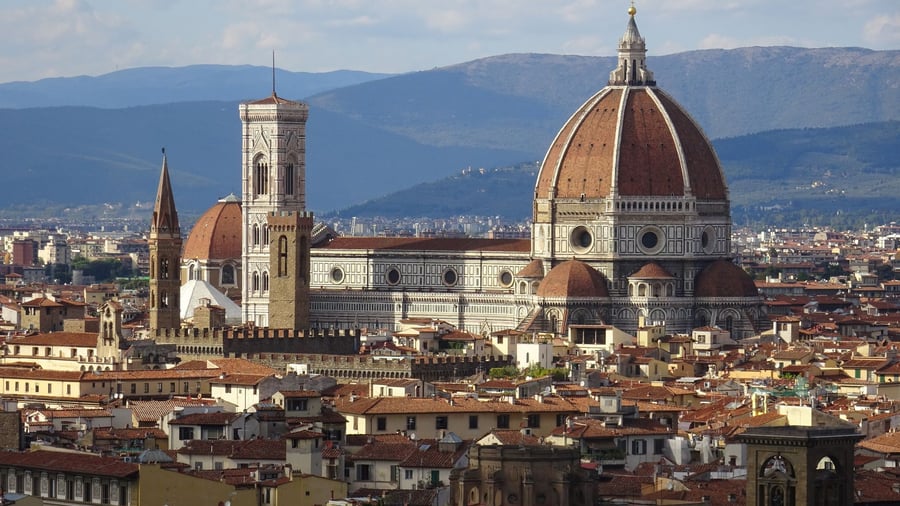
Hiding behind a grand cocktail often lies a larger history. Sometimes it is the city itself, as a famous author enjoyed his favorite drink at a favorite bar or because a barkeeper in the 19th century invented an elegant cocktail for women that remains popular today. Five cities, in particular, make a particular drink mandatory. (And yes, recipes for replication are provided.) The Negroni in Florence.
Giovanni Camillo Negroni's drink was not strong enough. So, Fosco Scarselli, the bartender, mixed gin instead of soda water with Campari and wormwood, turning the already known Americano into something new: the Negroni. Legend has it that this happened in 1919 at Caffè Casoni in Florence. Today, only a commemorative plaque remains at the site, but the cocktail lives on.
For those who wish to enjoy a Negroni in Florence, there are many options. Bar Giacosa 1815, for example, refers to the history of Casoni and offers the drink in a classic and various versions near the original site.
Glamorous is the Caffè Gilli, where the Negroni is served according to the original recipe or in the "Florentine variant" with local herbs and Amaro Santoni instead of Campari bitters. Many coffee shops and bars have their own variations: Caffè Paszkowski offers a passion fruit refreshed Negroni, Caffè Giubbe Rosse has a version with cocoa liqueur on the menu: Il Fosco, a tribute to Fosco Scarselli.
And those who want to mix a Negroni at home can use three equal parts of Campari, red wormwood, and gin (e.g., 30 ml each) and shake everything through - served over ice and traditionally garnished with orange zest.
The Pisco Sour in Lima.
Pisco, made from grape mash, is Peru's national spirit and the national drink of Peru. (And Chile, which is why there is always some tension between the two countries about Pisco.) According to the Peruvians, the Pisco Sour was invented around 1920 by the British immigrant Victor V. Morris in his bar in Lima and then spread from there.
The classic Pisco Sour is served in a larger glass with more alcohol at Peruvian landmark Catedral 1924 in the Gran Hotel Bolivar. For the classic Pisco Sour at home, one needs 80 ml of pisco, 30 ml of lime juice, 30 ml of sugar syrup, half to one egg yolk, about 4 ice cubes. Depending on the recipe, the proportions of lime juice and sugar syrup vary.
Shake everything for eight to ten seconds in a cocktail shaker and strain through a sieve into a chilled glass. Then garnish with Angostura bitters (or cinnamon).
The Sling in Singapore
High-proof in the guise of fruit juice: that is how the Singapore Sling should be made in 1915 in the Long Bar of the Raffles Hotel. Since women were not allowed to drink alcohol in public according to the etiquette of the time, while men could drink gin and other spirits without hindrance, barkeeper Ngiam Tong Boon invented the cocktail as a feminine disguise.
The "elegant" disguised drink in its pink glass became an instant success, writes the hotel about its origin. To this day, one can still enjoy the Sling at the Long Bar. Accordingly long can the queues get. The best way to go is to arrive early, as there is no place to reserve at the bar. Between 11 a.m. and 11:30 a.m., one has the best chances and the shortest waiting times.
In the bar, one may expressively make a mess: the shells of the peanuts that come with the drink are traditionally left on the floor. Those who want to mix a Sling, based on the historical original, at home, add 30 ml of gin, 15 ml of cherry liqueur, 7.5 ml of Cointreau, 7.5 ml of Bénédictine, 60 ml of pineapple juice, 15 ml of lime juice, and 10 ml of grenadine to a shaker with ice, strain it through a sieve into a glass, and adjust if desired with cocktail bitters. A piece of pineapple and a cherry serve as decoration.
The Daiquiri in Havana
The Daiquiri was probably invented in a namesake mining settlement in southeastern Cuba at the turn of the 20th century by an American geologist. Another American then significantly contributed to the drink's reputation and fame: writer Ernest Hemingway (1899 - 1961) preferred a particularly strong variant of it in the El Floridita bar in Havana.
There is now a statue of the Nobel laureate at the bar - the bar uses its former regular to market themselves: Nine Daiquiri varieties are on the menu, including the "Papa Hemmingway" with grapefruit juice. A trip to Cuba and Havana is - at least these days - not recommended. The Foreign Office advises against it because of the ongoing economic and energy crisis on the island, primarily due to an oil blockade and sanctions imposed by the USA. This has led to supply shortages, including for medicine and food.
To make a classic Daiquiri at home, one needs 60 ml of white rum, 30 ml of fresh lime juice, 15 ml of sugar syrup, and ice. Shake vigorously and then strain through a sieve into a chilled glass.
Written by urgent.news from Handelsblatt's reporting — not their text. Machine-written — may contain errors; check the original before relying on it.