Second gas plant could ease pressure on electricity tariffs – Ghana Gas
Ghana’s planned second gas processing plant could help ease pressure on electricity tariffs by increasing the availability of natural gas for power generation, the Ghana Gas Company has said. General Manager for Engineering and Maintenance at Ghana Gas, Ing. Maxwell Kwame Kelly, said although electricity costs could continue to rise as the country’s energy needs expand, greater access to natural…
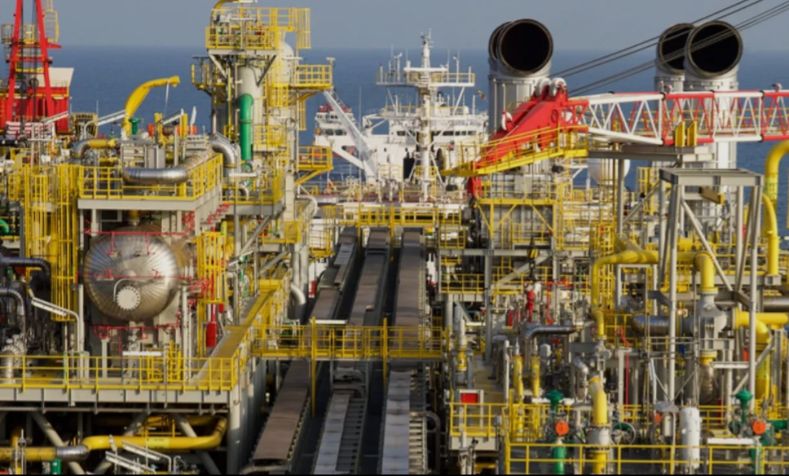
Ghana's planned second gas processing plant, known as GPP2, could help curb rising electricity tariffs by boosting natural gas availability for power generation, according to the Ghana Gas Company. General Manager Ing. Maxwell Kwame Kelly stated that while electricity costs will likely increase with the country's growing energy demands, greater access to natural gas could temper the pace of future tariff hikes.
Ing. Kelly emphasized that the merits of GPP2 should be weighed against the costs of relying on alternative fuels. He argued that the benefits of the plant would be significant, especially when compared to the drawbacks of not having the plant. Technical Advisor Ing. Dr Sulemana Yussif added that the additional processing capacity could enable Ghana to rely more on natural gas, potentially saving the country around US$500 million annually.
This could be achieved by switching from liquid fuels like light crude oil to natural gas for thermal power generation.
The benefits of GPP2 would extend beyond electricity generation, as increased processing capacity could boost domestic LPG production and reduce Ghana's dependence on LPG imports. Ghana Gas currently supplies roughly half of the nation's LPG demand.
Furthermore, GPP2 could address constraints in Ghana's upstream petroleum industry by providing more scope for managing gas, thus optimizing oil production. A reliable off-taker for gas could also bolster investor confidence in Ghana's upstream petroleum sector.
However, for GPP2 to deliver its full benefits, Chairperson Ing. Dr Frank K Pinto stressed that supporting gas-transport infrastructure, such as the proposed onshore natural gas pipeline, must be developed. Efficient gas transportation within the country could generate additional economic benefits by keeping more funds circulating domestically.
Written by urgent.news from Joy Business's reporting — not their text. Machine-written — may contain errors; check the original before relying on it.