Melting into disaster
EDITORIAL: The catastrophe along the Nepal-Tibet border has already moved far beyond the scale of an isolated Himalayan emergency. By Sunday, nearly 800 people had been confirmed dead and more than 3,000 remained missing after a massive glacier collapse sent ice, rock, mud and water crashing through valleys and settlements on both sides of the border. More than 90,000 people have been affected,…
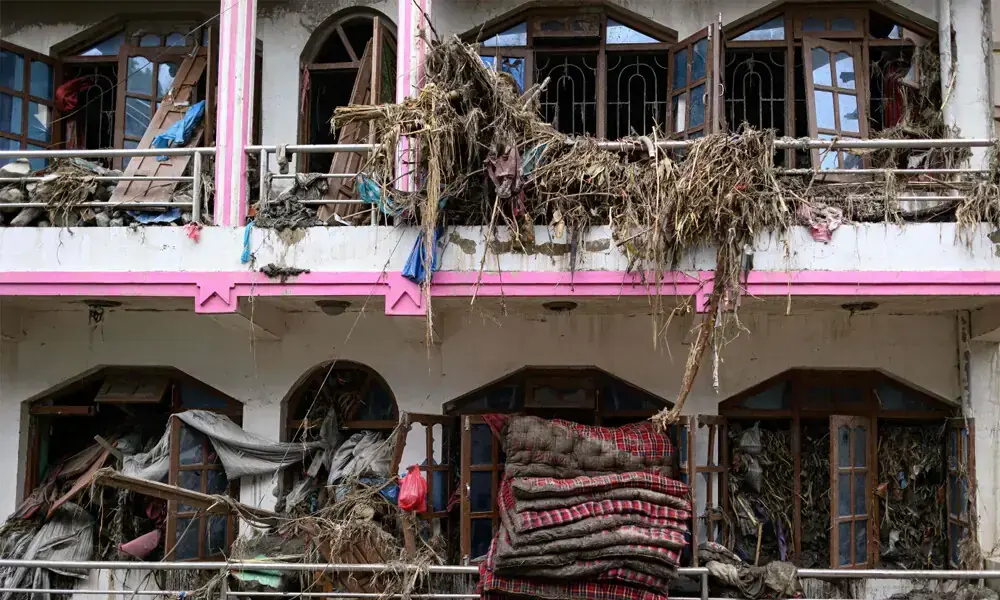
A massive glacier collapse has triggered a catastrophic disaster along the Nepal-Tibet border, leaving nearly 800 dead and over 3,000 missing. More than 90,000 people have been affected, with infrastructure in ruins and rescuers still working to reach communities isolated by debris and fresh flood risks. Scientists caution against attributing the disaster solely to climate change, but acknowledge that rising temperatures are accelerating glacier retreat, destabilizing mountain permafrost, and increasing the risk of landslides, avalanches, and catastrophic flooding in the Hindu Kush-Himalayan region.
The Himalayan region is warming at roughly twice the global average, with glaciers retreating rapidly. Pakistan, despite contributing less than one percent of global greenhouse-gas emissions, remains highly vulnerable to extreme weather and climate change, facing multiple hazards like melting glaciers, extreme heat, erratic monsoons, floods, drought, and water resource pressures.
Pakistan must push for faster emissions reductions, climate finance, and adaptation support while simultaneously strengthening its own disaster resilience through improved glacier monitoring, early-warning systems, flood-risk mapping, resilient infrastructure, and better cross-border data sharing. The immediate focus remains rescue, relief, and support for the thousands displaced, but the broader lesson is that disasters like this are becoming part of the climate reality for vulnerable mountain regions.
Written by urgent.news from Business Recorder's reporting — not their text. Machine-written — may contain errors; check the original before relying on it.