Anger at Rohingya overlooks root causes, says Tenaganita
Glorene Das says exclusion from legal work and education has contributed to poverty and social problems within the refugee community.
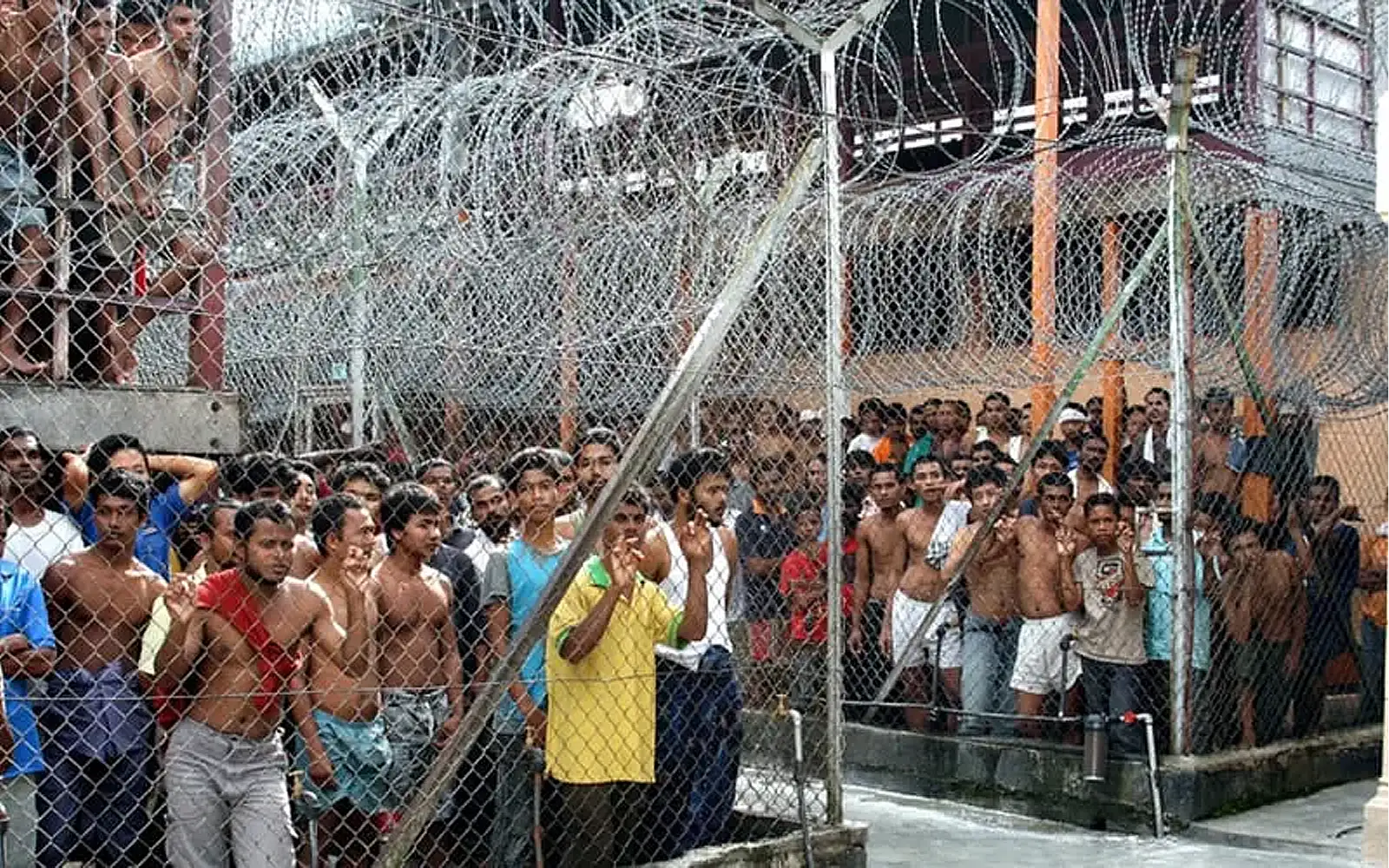
Tenaganita, a Malaysian rights group, contends that public outrage towards the Rohingya is misguided due to its failure to address the root causes of social issues within the community. These problems include exclusion from legal work and formal education, along with the absence of secure legal status. Executive director Glorene Das emphasized that while perpetrators should be held accountable, a whole community should not be judged or dehumanized.
Das stressed the importance of understanding the underlying factors, such as years of poverty, insecurity, and exclusion from legal employment and education, which have harmful consequences. She criticized successive governments for failing to implement a comprehensive refugee policy, noting that refugees registered with the UNHCR still lack legal immigration status and the right to work in Malaysia, along with their children being barred from public schools.
Perlis mufti Mohd Asri Zainul Abidin, known as Dr Maza, argued that a lack of education alone cannot explain all forms of problematic behavior, stating that basic conduct, like treating others well, does not necessitate a high level of education. He suggested that the Rohingya issue should be considered alongside other displaced communities like Syrians and Palestinians, emphasizing the need for a focus on attitude and mentality.
Dr Maza advocated for the Rohingya's right to earn a livelihood, albeit with regulated economic participation to avoid tensions. Adrian Pereira, executive director of the North-South Initiative, concurred that individuals are accountable for their actions, but asserted that enhanced access to education and legal employment could alleviate social problems and improve refugees' quality of life.
He emphasized that education empowers refugees, enabling them to become self-reliant and contribute positively. Pereira contended that the absence of a formal right to work has led many refugees into exploitative informal jobs, trapping them in a cycle of poverty. The government's refugee registration program, known as the DPP, represents a step forward by creating a more structured registration system and opening pathways for some refugees to work legally.
However, Das stressed that the initiative should evolve into a comprehensive, rights-based framework, including legal employment opportunities, educational access for refugee children, protection from exploitation, and enhanced clarity on their legal status. She emphasized the significance of self-reliance, highlighting that refugees should have the chance to work, support their families, educate their children, and contribute to society.
Das noted that Malaysia continues to recruit migrant workers for labor-intensive sectors while refugees are largely barred from working legally. The DPP program, initiated on Jan 1, involves biometric data collection, security screening, and status verification, initially focusing on detained refugees. As of June, 78 Rohingya had received refugee status under the pilot, with 25 eligible for employment.
The government intends to expand the program to include UNHCR cardholders and refugee claimants outside detention centers, with the caveat that registration does not guarantee permanent residence, leaving options for repatriation, third-country resettlement, or deportation open.
Written by urgent.news from Free Malaysia Today's reporting — not their text. Machine-written — may contain errors; check the original before relying on it.
This story
This is one outlet's version. Read the fullest account.
- Imigresen tak boleh ambil tindakan terhadap Rohingya ada kad UNHCR freemalaysiatoday.com