Future of Palestinian cause could depend on November legislative elections – if they go ahead
The three-storey, off-white stone building housing the Palestinian Central Elections Commission stands on a side street in a quiet neighbourhood of Ramallah in the occupied West Bank . The only evidence of activity on a recent afternoon was a handful of employees making their way out of the building at the end of the working day. But appearances can be deceptive. The commission is entrusted with…
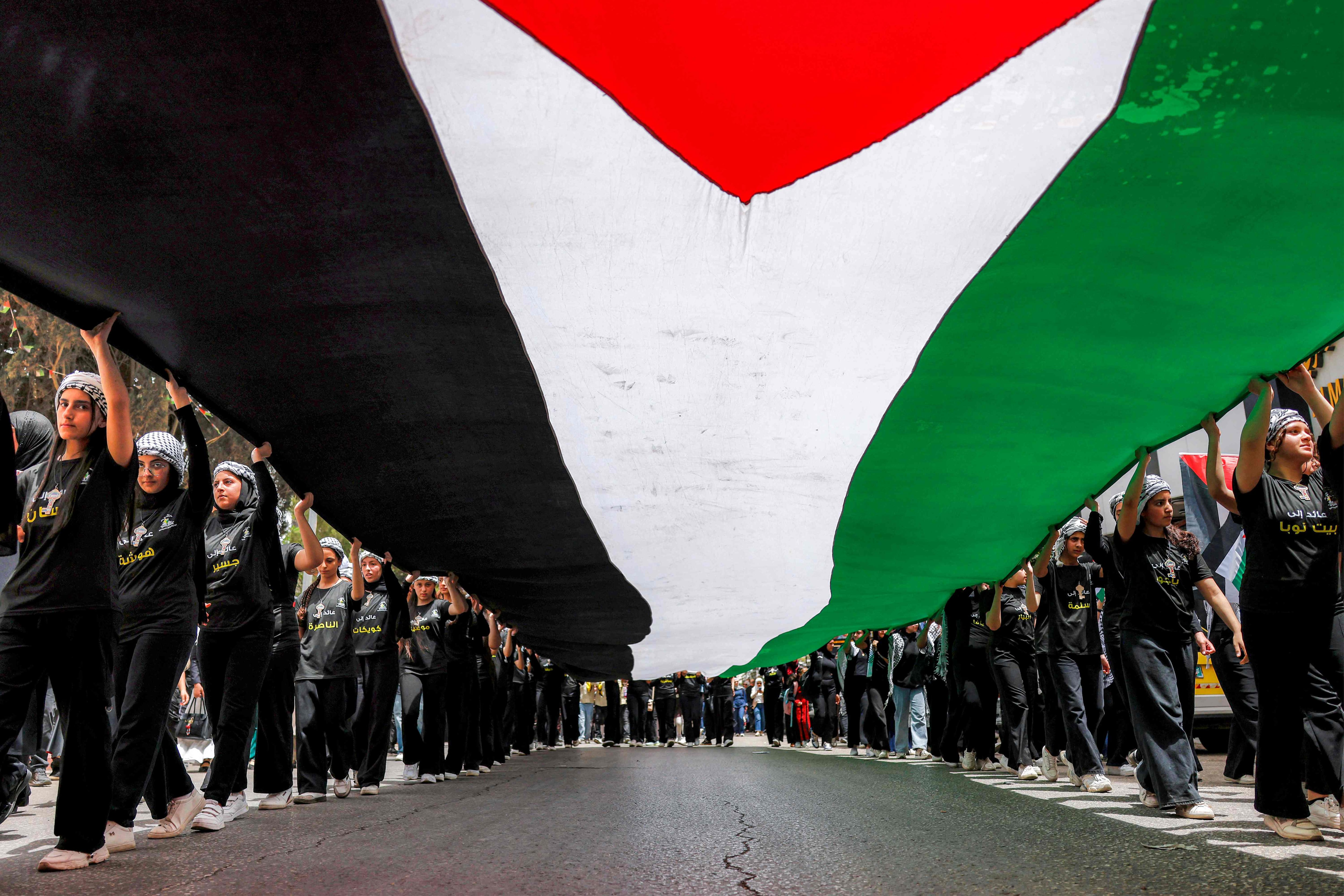
The future of the Palestinian cause may hinge on the upcoming November legislative elections, provided they proceed as scheduled. Located in Ramallah, the Palestinian Central Elections Commission is tasked with organising the first legislative elections in 20 years, an event that has sparked discussions on Palestinian unity, electoral alliances, and the very fate of the Palestinian cause itself.
As the vote draws nearer, the Palestinian struggle faces a critical juncture. The dream of an independent Palestinian state in the occupied West Bank and Gaza Strip now seems increasingly distant, compounded by Israel's control of 70% of Gaza and the ongoing land grabs by settlers in the West Bank. Additionally, armed resistance against Israel's 59-year-old occupation appears to have waned, with Hamas weakened following the Gaza war.
A recent poll revealed a sharp decline in support for armed struggle among Palestinians, with most now favouring negotiations to end the occupation and achieve statehood. Mahmoud Abbas, the 90-year-old Palestinian President, finds himself with limited influence and under mounting pressure from Palestinians and Western powers to reform.
His term, set to end in 2009, was extended without a new presidential election, and calls for early elections have been dismissed by Abbas, fearing a transitional national assembly that would stall reform efforts.
However, the question of whether the elections will take place remains uncertain. The Elections Commission has updated the voters' rolls, appointed judges, and set September 11 as the registration deadline. But there are concerns that President Abbas, with the support of loyal factions, might cancel the vote to evade Western pressure for reform. Analysts warn that this could further fragment the Palestinian cause and undermine efforts to rebuild the political system.
The election's conduct in Gaza is particularly contentious, as the Board of Peace, part of US President Donald Trump's plan for the enclave, has taken over from Hamas, which has ruled Gaza since 2007. Some experts believe President Trump might intervene to allow the vote, testing Hamas's claim of abandoning its arms and becoming a peaceful political group.
Israel, however, has not yet publicly stated its stance, but political analysts suggest Israel might see value in witnessing Hamas's electoral victory, potentially justifying renewed attacks on the group's leaders.
Meanwhile, a broad alliance between Hamas and a major Fatah faction, led by Mohammed Dahlan, is being explored to contest the elections. Dahlan's emergence as a potential unifier could benefit from his ties to Egypt and segments of the Trump administration, possibly leading to increased humanitarian aid for Gaza, accelerated reconstruction, and US pressure on Israel to comply with the Trump Gaza plan.
Yet, an official from the militant Palestinian Islamic Jihad group cautions that even this potential alliance may not deliver tangible benefits to Palestinians in Gaza, such as basic services or reconstruction efforts.
Written by urgent.news from The National Business's reporting — not their text. Machine-written — may contain errors; check the original before relying on it.
This story
This is one outlet's version. Read the fullest account.