Wertvolle Ressourcen: Studie: Milliardenwerte in Europas Elektroschrott ungenutzt
Warum verstauben mehr als 700 Millionen Smartphones in Europas Schubladen, statt wertvolle Rohstoffe zu liefern? Eine Studie zeigt, was Verbraucher und Hersteller ändern könnten.
A recent joint study by the Boston Consulting Group (BCG) and the "Cradle to Cradle Electronics" initiative has revealed that the European Union (EU) is sitting on unused raw material worth over €65 billion in discarded household appliances and old electronics. The study, unveiled for the Technikmesse IFA in Berlin, warns of dramatic risks for European industry arising from geopolitical dependencies and urges a fundamental redesign of products according to the circular principle.
Every year, approximately 1.6 million tonnes of critical and strategic resources, such as copper, aluminum, lithium, cobalt, or rare earths, are embedded in newly introduced devices on the EU market. Many of these materials originate almost entirely from third countries, notably China, which holds near-monopolistic control over heavy rare earths.
The cost of raw materials is high, as manufacturers must invest significant sums in producing new devices. Export restrictions, semiconductor crises, and the global boom of AI data centers are driving up procurement prices. Despite this, a large portion of the potential remains untapped: while Europe generates over 13 million tonnes of electronic waste annually, the official collection rate is only around 43 percent.
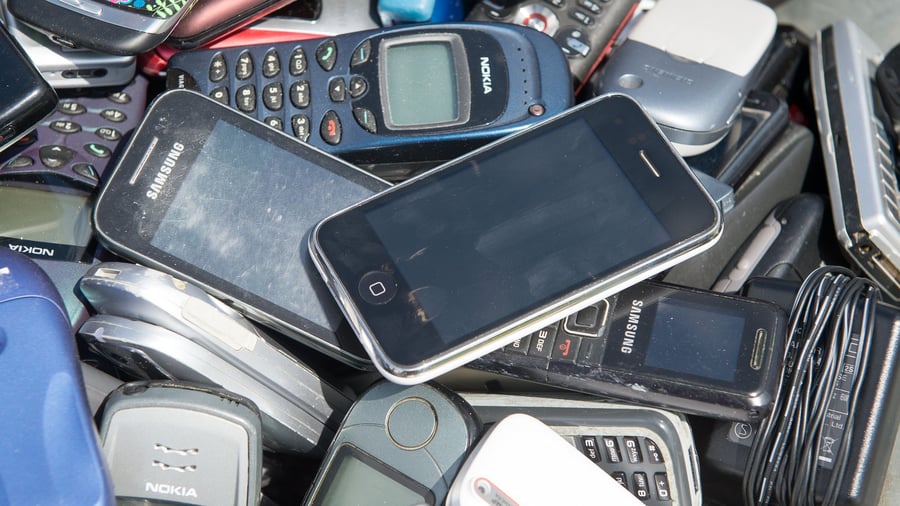
Estimates suggest that around 700 million unused smartphones are languishing in European drawers, binding approximately 50,000 tonnes of strategic raw materials. The authors of the study also criticize the handling of electronic waste, as shredded, burned, or illegally exported devices cause valuable metals and components to be lost.
To address this issue, the study proposes the "Cradle to Cradle" (C2C) concept, which advocates for designing devices from the outset as "material banks": free of harmful substances, easily dismantled, and modularly constructed. This would enable the targeted repair, recycling, and reuse of components such as motors or electronic modules.
For large household appliances like washing machines, which are still predominantly manufactured in Europe, optimized cycles could save up to 50 percent of the material required for new devices.
Written by urgent.news from Handelsblatt's reporting — not their text. Machine-written — may contain errors; check the original before relying on it.