Could Roman concrete have clues on how Pyramid of Giza was built – and saved?
The enduring mystery of how the ancient Egyptians built the Great Pyramid of Giza – with its 2.3 million multi-tonne stone blocks – has puzzled researchers for centuries. Mainstream archaeology holds that the pyramids were constructed from natural limestone or granite blocks precisely cut and hauled into place. An alternative scientific theory suggests the blocks might have been cast from an…
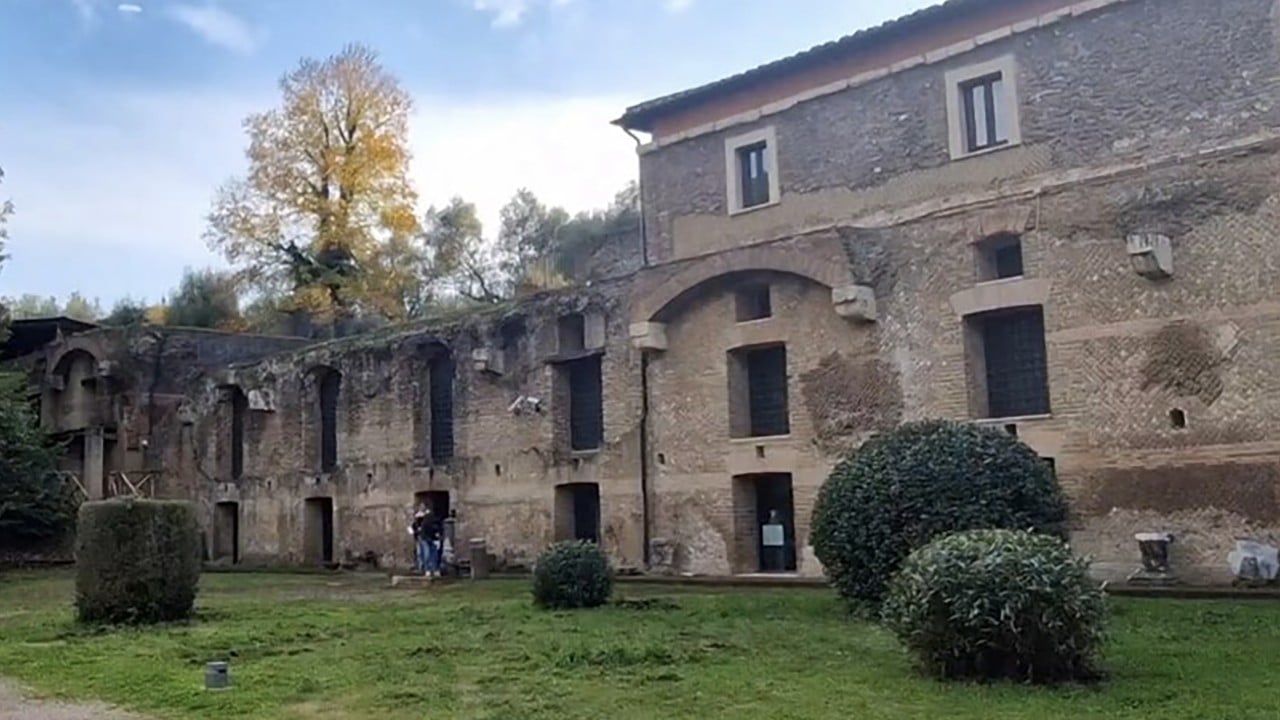
A new study examining Roman concrete from Hadrian’s Villa in Tivoli, Italy, may provide a clue to how the ancient Egyptians constructed the Great Pyramid of Giza. Researchers from several universities found that Roman concrete not only resists decay but actually grows stronger over centuries through a self-healing process. This phenomenon, driven by carbonation and mineral growth, could potentially explain how the pyramid's massive stone blocks were constructed and maintained for over 4,500 years, suggesting that the builders may have used a calcium-rich concrete-like material that evolved over time.
Brief written by urgent.news from South China Morning Post's own syndicated text. Machine-written — may contain errors; check the original before relying on it.