Your Home is Crawling With Microplastics
And vacuuming might make things worse The post Your Home is Crawling With Microplastics appeared first on Nautilus .
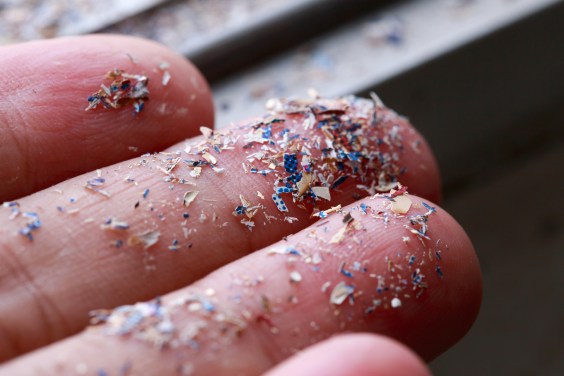
Microplastics, those tiny plastic particles, are infiltrating our homes in alarming quantities. A new study from Utrecht University in the Netherlands has discovered these micro- and nanoplastics (MNPs) in every household they examined, with the majority of particles originating from polyethylene terephthalate (PET) plastic—a common material.
Homes with more people tended to have higher concentrations of MNPs, and levels rose during the colder months when ventilation decreased and occupants spent more time indoors. Curiously, while window-opening frequency and outdoor air pollution did not correlate with MNP levels, the research found that frequent vacuuming actually increased the prevalence of polycarbonate MNPs.
This might be due to the vacuum stirring up the particles, causing them to become airborne and settle elsewhere. Vacuuming proved more effective at removing polyethylene MNPs, but further research is needed to fully understand this relationship. To mitigate exposure to microplastics, the study suggests investing in HEPA-filtered air purifiers, as these filters can catch particles larger than 0.3 microns, including some nanoplastics.
Upgrading to a HEPA-filtered vacuum might also help. While laundry machines were not directly studied in this investigation, they are known to contribute to MNP levels. The researchers emphasize that minimizing exposure is the best approach, as the health implications of microplastic exposure are still unclear. Current efforts are focused on documenting the problem and identifying potential intervention points to prevent harm.
Written by urgent.news from Nautilus's reporting — not their text. Machine-written — may contain errors; check the original before relying on it.