Scientists studying cockroach milk and nose-blowing win Ig Nobel prizes
Ten research teams were honoured on Thursday at a satirical science awards ceremony that was hosted outside the US for the first time due to travel concerns. Researchers who studied milk from cockroaches and analysed soil health using underwear received Ig Nobel prizes celebrating unusual and imaginative contributions to science. The awards organised by a digital magazine called the Annals of…
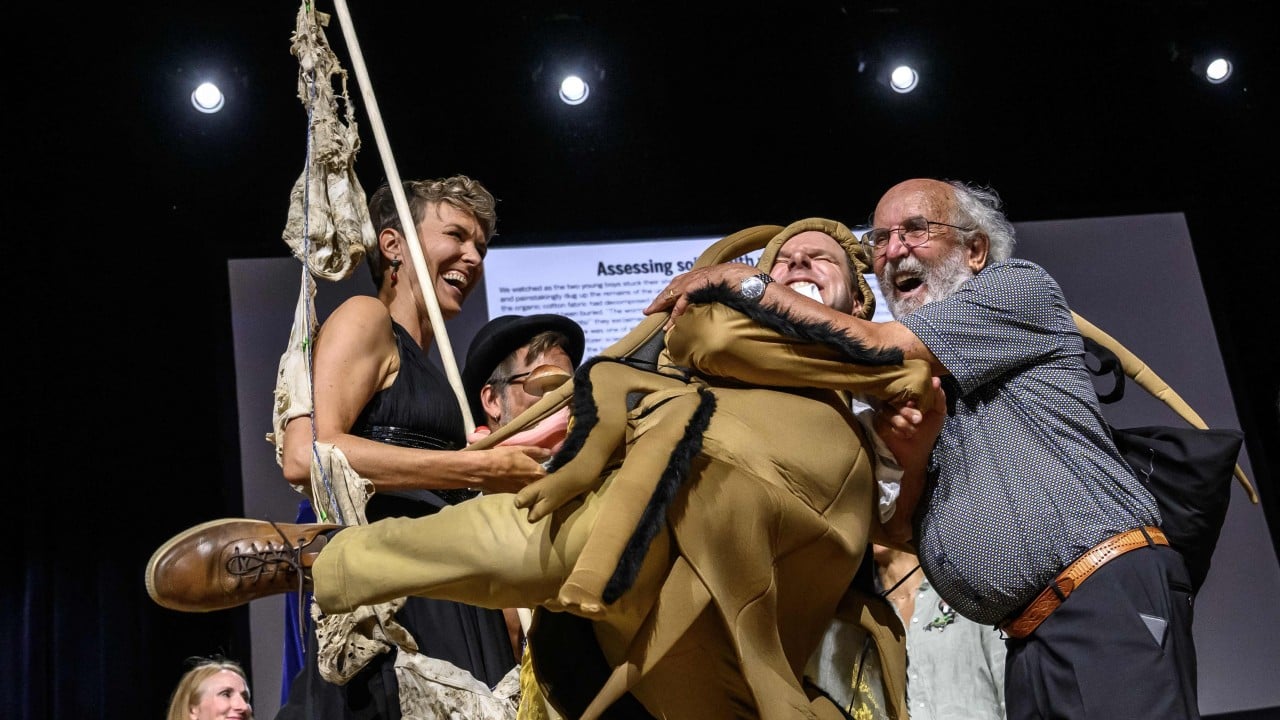
Ten research teams were honored at the Ig Nobel Prize ceremony in Zurich, Switzerland, on Thursday, marking the first time the satirical science awards were hosted outside the United States due to travel concerns. The ceremony, organized by the Annals of Improbable Research, shifted to Europe after 35 years in the U.S. over visa issues.
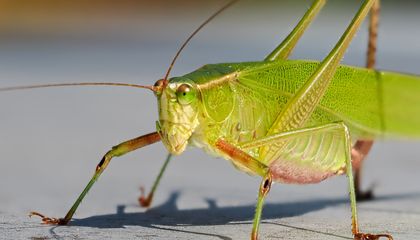
The award-winning projects included studying milk from cockroaches, analyzing soil health using underwear, reconstructing the evolutionary history of kissing, and investigating the science of blowing one's nose. Among the recipients were Matilda Brindle and Stuart West from the University of Oxford, and Catherine F. Talbot from Florida Institute of Technology.
Another team buried 1,000 pairs of underwear in over 25 countries to study decomposition. As customary, the audience threw paper airplanes at the stage. Future ceremonies will alternate between Zurich and other European cities, with the 2027 event held in Antwerp. The master of ceremonies, Marc Abrahams, cited safety concerns for attendees in the U.S. as the reason for moving the event abroad.
Written by urgent.news from Associated Press's reporting — not their text. Machine-written — may contain errors; check the original before relying on it.
This story
This is one outlet's version. Read the fullest account.
- Scientists studying cockroach milk and nose-blowing win Ig Nobel prizes for quirky science apnews.com
- Ig Nobel prizes go to scientists studying cockroach milk, nose-blowing, more cbsnews.com
- Scientists studying cockroach milk and nose-blowing win Ig Nobel prizes for quirky science phys.org
- Scientists studying cockroach milk, nose-blowing win 2026 Ig Nobel prizes for quirky science pbs.org
- Scientists win Ig Nobel prizes for studies on cockroach milk, evolution of kissing, nose-blowing hindustantimes.com