Qatar farms can increase yields with less water: Agricultural researcher
<p>Doha: Qatar's farms can increase local food production without simply expanding cultivated land by using water more efficiently, adopting modern farming techniques and selecting crops and seeds suited to the country's climate, according to agricultural researcher Yusuf Ahmed Al-Tahir.</p> <p>Speaking on Al Rayyan TV, Al-Tahir said conserving water should be at the heart of efforts to improve…
Doha: Agricultural researcher Yusuf Ahmed Al-Tahir has stated that Qatar's farms have the potential to increase local food production without simply expanding farmland by improving water efficiency, adopting modern farming techniques, and selecting crops suited to the country's climate. He emphasized that conserving water should be a priority in efforts to enhance farm efficiency and promote sustainable food production, given Qatar's limited natural water resources.
Al-Tahir argued that modern agriculture should focus on obtaining higher yields per cubic metre of water and unit of cultivated land, rather than expanding agricultural areas. He stressed that the goal should be maximizing production, reducing costs, and minimizing water usage.
Many local farms have already transitioned to more controlled irrigation methods, such as drip irrigation systems. To further improve efficiency, Al-Tahir highlighted the need to determine the precise water requirements of individual crops, which would allow for more direct water delivery to plants while reducing losses through evaporation.
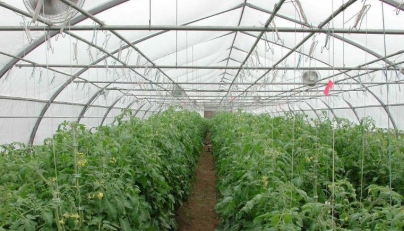
Protected agriculture, such as the use of cooled greenhouses, can also extend Qatar's agricultural production season. This could potentially enable production from around October to June instead of ending in April. However, Al-Tahir noted that technology alone is insufficient, as modern agricultural systems can involve high costs and require significant technical and operational expertise.
Another crucial aspect is developing and identifying crops that can produce high yields while using less water and enduring Qatar's climate. Al-Tahir called for agricultural research and a seed bank focused on local varieties, warning that successful crop varieties from other countries may not perform equally well in Qatar.
He cited an example of a cucumber variety recommended by a foreign expert that performed differently once exposed to Qatar's conditions, underscoring the importance of a local seed bank and laboratory.
Al-Tahir also suggested vertical farming and other non-traditional production systems as potential ways to maximize output from limited agricultural land. Better coordination among farms is essential to avoid excessive production of the same crops at the same time. The Mahaseel organization plays a key role in organizing agricultural production plans and marketing, helping farms register what they intend to grow and expected production quantities to facilitate market coordination and reduce the burden on individual farmers.
Although Qatar cannot eliminate food imports entirely, Al-Tahir stressed that better coordination between domestic production and imports during peak local growing periods can help protect local farmers while ensuring adequate supplies for consumers. He reiterated that protecting water resources remains the most critical element in Qatar's sustainable agriculture equation.
Written by urgent.news from The Peninsula Qatar's reporting — not their text. Machine-written — may contain errors; check the original before relying on it.