Politicians are public, but their private lives are still private — Khoo Ying Hooi
SEPTEMBER 3 — I had a brief conversation with a friend about the way a politician’s divorce has become one o...
On September 3, a conversation with a friend highlighted the ongoing fascination with politicians' personal lives, which have become major media stories. The discussion led to a fundamental question: why should we be concerned with the private matters of public figures? This led to a broader inquiry into the nature of the distinction between public personas and private individuals, particularly when politicians enter public life.
The conversation revealed that privacy in public life is complex. While accountability is crucial to democracy, it is distinct from ownership of someone's private life. Knowing how politicians wield power is important, but it should not automatically grant the public the right to know everything about them. This distinction is becoming increasingly blurred due to the pervasive nature of political communication on social media.
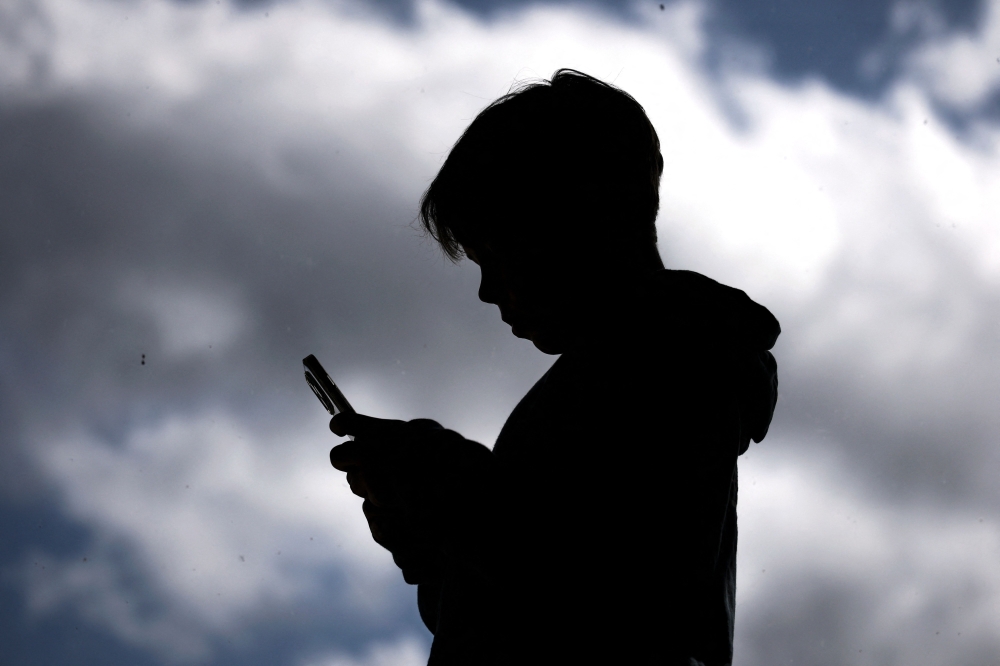
Politicians now share personal moments—family photographs, holidays, and private interactions—which contributes to a sense of familiarity and relatability, but also raises questions about the boundaries of public scrutiny.
This phenomenon is further complicated by the sensational nature of private life stories. Even if the public relevance is minimal, such information often becomes the focus of media attention due to its clickability. However, mere sensationalism does not equate to public interest. A private matter should only enter the public domain if it directly impacts the exercise of public power, such as through corruption, conflict of interest, or criminal conduct. In these cases, the issue is not the personal life itself but the potential misuse of power.
The gender dimension also plays a significant role. Women in politics often face scrutiny based on their relationships, appearance, and personal choices, which have little bearing on their professional abilities. This scrutiny can transform private events into evidence of a broader social judgment about a woman's worth and character, effectively shifting political scrutiny into the realm of social surveillance.
Journalists also bear responsibility in this context. The digital age has transformed news cycles, with stories being republished, shared, and archived long after their initial relevance has faded. While politicians may voluntarily share aspects of their private lives, they retain the right to keep other parts private. Editors should exercise caution in deciding what information to publish, balancing the public's right to know with the individual's right to privacy.
Politicians may choose to engage with their personal lives, but this does not forfeit their right to control the extent of that engagement.
Written by urgent.news from Malay Mail's reporting — not their text. Machine-written — may contain errors; check the original before relying on it.