Pig kidney xenotransplant successfully bridges patient with end-stage kidney disease to human transplant
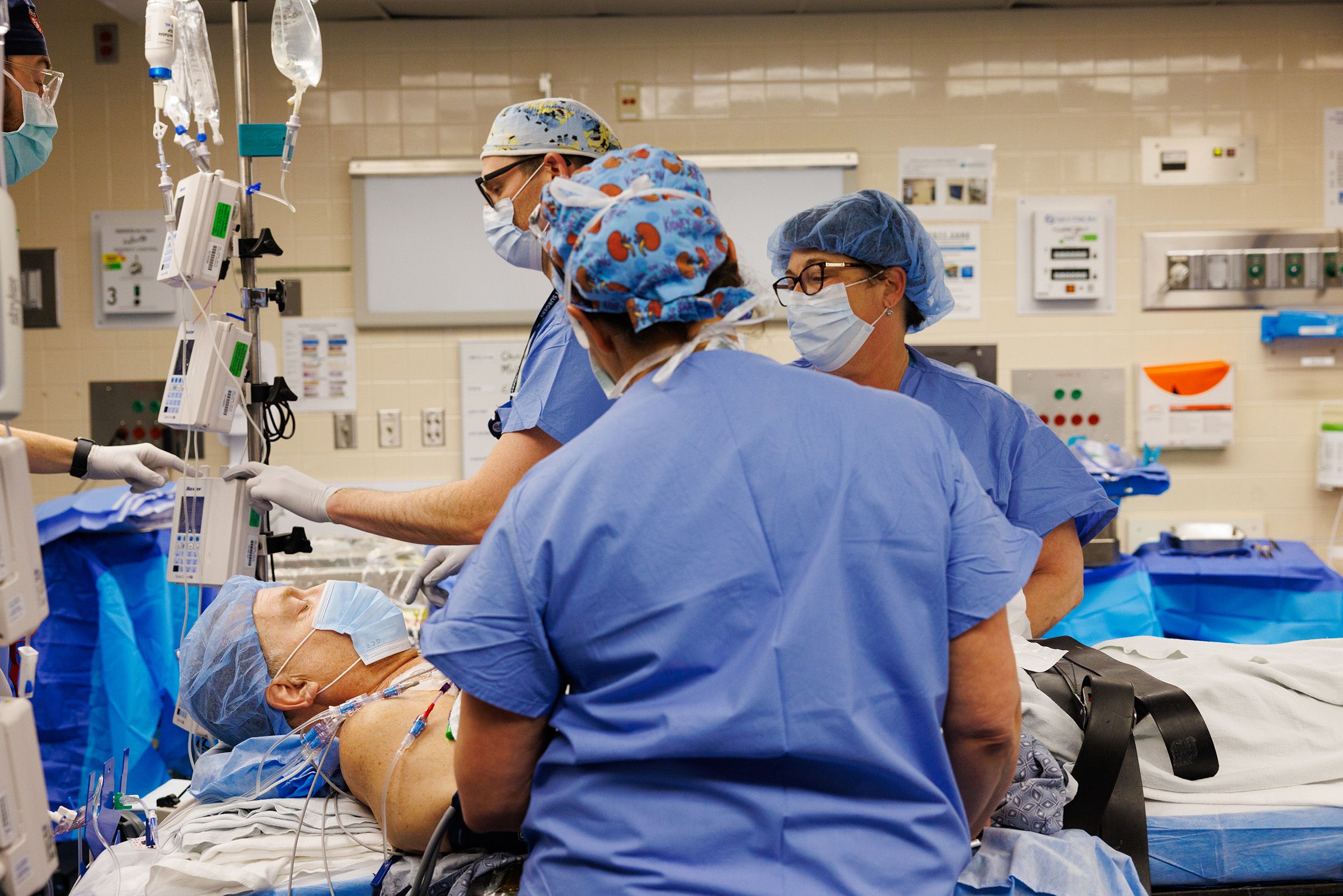
In January 2026, Tim Andrews, who had received a genetically edited pig kidney in January 2025, became the recipient of a human kidney. A new Mass General Brigham paper, published in The Lancet, details Andrews' experience and how xenotransplantation could bridge the gap between end-stage kidney failure and a human transplant, allowing a patient to forgo dialysis in the meantime.

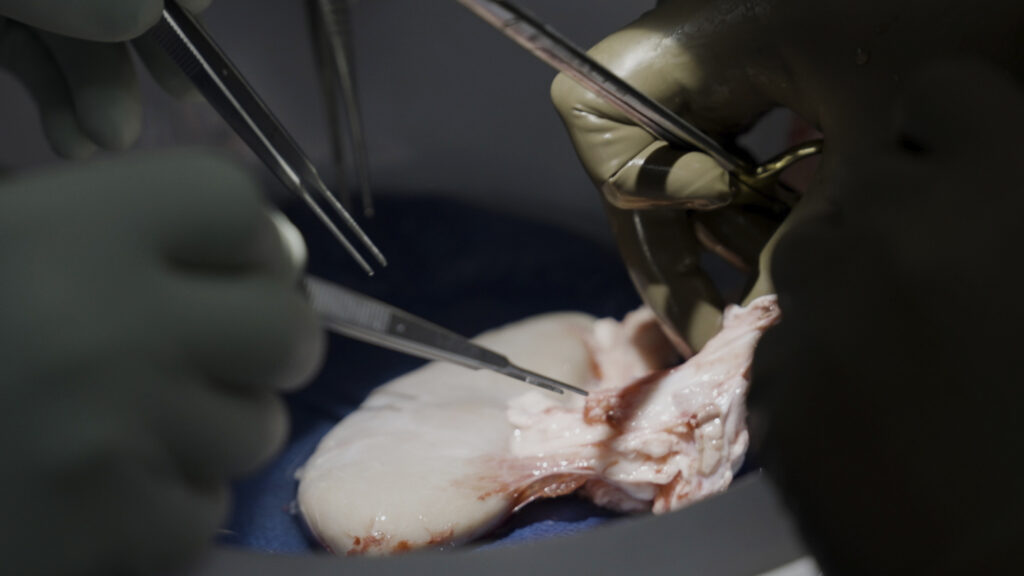
In January 2026, Tim Andrews, who had received a genetically modified pig kidney in January 2025, became the first living human to transition to a human kidney transplant, according to a report published in The Lancet. This groundbreaking case, led by Dr. Leonardo Riella from Mass General Brigham, highlights the potential of xenotransplantation to address the critical shortage of human organs for kidney transplantation.
Andrews, 66 at the time, lived without dialysis for 271 days following the xenotransplantation, a record for dialysis-free survival with a porcine kidney. His kidney functioned immediately and did not transmit any pig pathogens to his human body. The kidney was genetically edited to reduce the risk of disease transmission from the pig to the human recipient.
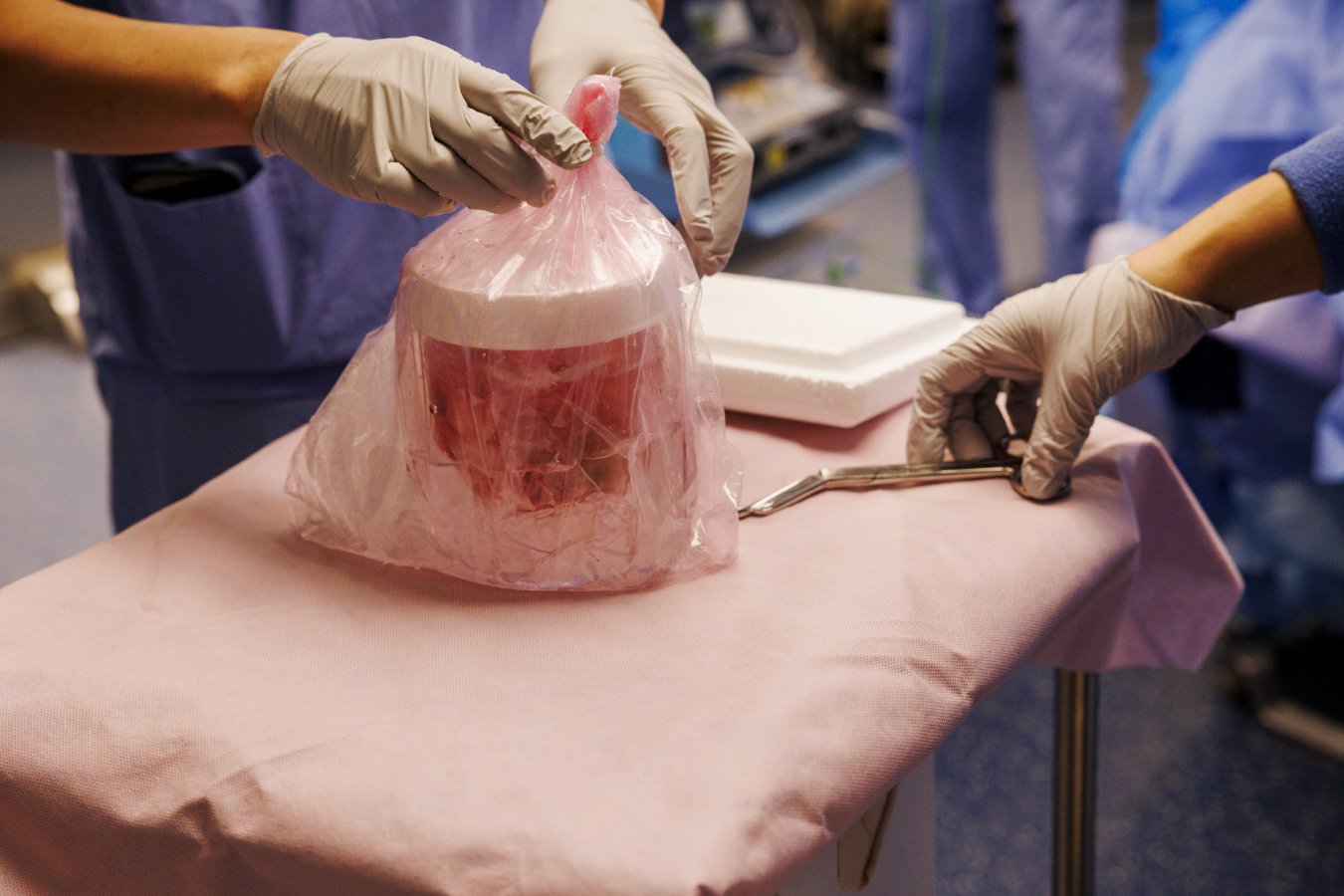
However, after about six months, the pig kidney experienced microvascular injury and inflammation, leading to organ failure. Andrews then received a human kidney from a deceased donor, which immediately began functioning without any evidence of antibody sensitization. This successful transition underscores the promise of xenotransplantation as a bridge to human organ transplantation, as well as the challenges that remain in ensuring the long-term safety and durability of these transplants.
The study also points to the need for improved immunosuppressive strategies, donor genetic engineering, and monitoring techniques in future clinical trials. The research underscores the crucial role of early-stage participants like Andrews in advancing this pioneering field of medicine.
Written by urgent.news from Medical Xpress's reporting — not their text. Machine-written — may contain errors; check the original before relying on it.