Transplanted Pig Kidney Still Working After a Record-Setting 9 Months in a Patient
Gene-edited pig kidneys could offer a lifeline to patients stuck waiting for a human donor.
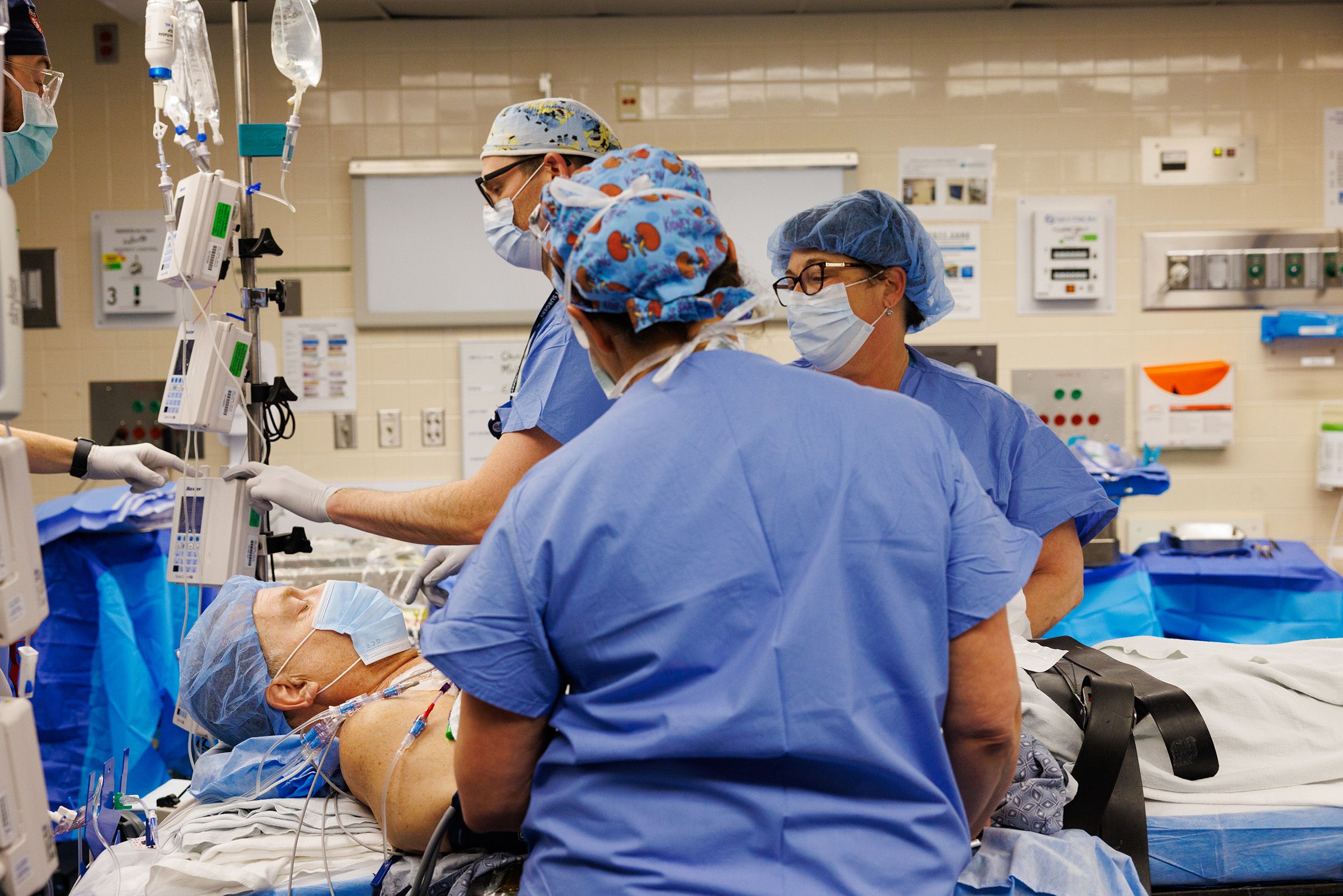
A woman living in Cambridge, Massachusetts has had a pig kidney transplanted into her for over nine months, without the need for dialysis - a record-setting achievement. The operation took place at Massachusetts General Hospital on November 22, 2024. The pig kidney is functioning properly for 285 days, as reported by the biotech company eGenesis based in Cambridge.
Previously, the record was 271 days, set by Tim Andrews. Most kidney transplant wait times average three to five years, often requiring dialysis in the interim, which involves connecting a patient's blood vessels to a machine that filters excess fluids and waste from the blood. This process typically necessitates four-hour sessions three times per week, causing potential damage to blood vessels over time.
Pig kidneys offer a potential solution due to their similar size and function to human kidneys and are being explored to alleviate the shortage of human donor organs. Scientists utilize gene editing techniques, like Crispr, to eliminate pig genes that could trigger an immune response and insert human genes to reduce the risk of pig viruses being transmitted to transplant patients.
Mike Curtis, eGenesis' CEO, explains that the longer patients remain on dialysis, the worse their health becomes, and the slower the progress in obtaining a human transplant. The woman in this story is the fifth recipient of an eGenesis kidney through a regulatory pathway called expanded access, which allows patients with life-threatening conditions to receive experimental treatments when alternatives are unavailable.
Andrews' case indicates that pig kidneys could serve as an interim solution. He received a pig kidney in January 2025 and had it removed in October 2024 due to declining kidney function. He subsequently underwent a human kidney transplant in January 2026. Another individual has also successfully received a human transplant after having a pig kidney for eight months, according to eGenesis.
The surgical team behind the transplants published a report in The Lancet medical journal, detailing Andrews' experience. They found that Andrews' pig kidney eventually failed because of thrombotic microangiopathy, which involves the formation of tiny blood clots within the transplanted organ. The team is using this data to optimize immunosuppressive medications and dosing schedules for pig kidney recipients.
Similarly, those who receive human organ transplants must also take immunosuppressive drugs to prevent the body from rejecting the transplanted organ. Kidney transplants remain the most in-demand, with over 95,000 people awaiting a transplant in the US, but due to a scarcity of donor organs, fewer than 28,000 kidney transplants were performed in the US in 2025.
The FDA has granted eGenesis permission to conduct a formal trial involving up to 33 patients aged 50 to 70 with kidney failure who are on the waitlist for a human kidney. This trial is scheduled to commence in 2027, but eGenesis intends to carry out additional transplants under the expanded access pathway in the interim. Their ultimate objective is to achieve a year-long functional period for a transplanted pig kidney.
Written by urgent.news from Wired Science's reporting — not their text. Machine-written — may contain errors; check the original before relying on it.
This story
This is one outlet's version. Read the fullest account.