Nepal floods: Glimmer of hope as some tourists make contact. Who is still missing?
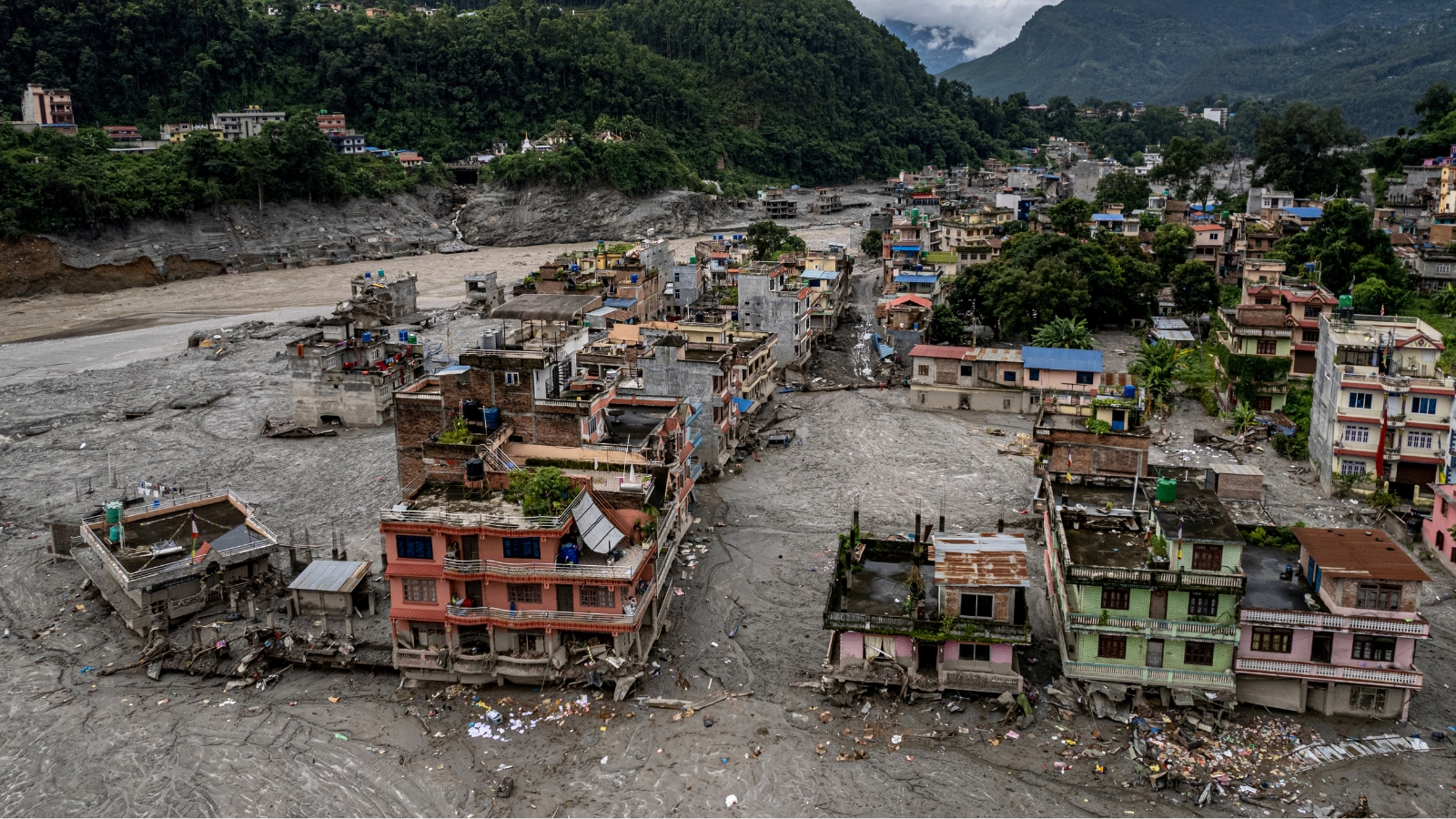
Almost a week after devastating floods struck Nepal, some tourists previously reported missing have managed to contact authorities, providing a glimmer of hope amidst ongoing search operations. According to Nepali officials, at least 1,252 individuals have lost their lives, while over 4,200 are still missing. Around 590 foreign nationals remain unaccounted for, with hundreds feared trapped inside six hydropower plants.
Rescue teams continue their efforts to locate survivors, as families in Kathmandu create a "wall of the missing" filled with photographs of loved ones who disappeared in the disaster.
Indian nationals and people of Indian origin are among those unaccounted for, as well as a group of pilgrims traveling towards the Kailash Mansarovar region who were caught in the catastrophe. India has sent specialized teams to Nepal to aid in rescue and forensic identification efforts. Five foreign nationals, including three Spaniards, one Belgian, and one American, have made contact with authorities, confirming their safety.
Among them, five Australians previously missing are now confirmed safe, reducing the number of Australians still unaccounted for from 43 to 38.
Nepal's disaster management agency reports that more than 4,200 people remain missing, with at least 1,204 confirmed fatalities. The situation remains dire as hopes for finding survivors dwindle steadily. Around 900 individuals are believed to be trapped inside the six hydropower plants, where rescue teams are clearing mud and debris using excavators and controlled blasting.
In Kathmandu's Tribhuvan University Teaching Hospital, a "wall of the missing" displays images of those who disappeared in the floods, alongside recovered bodies awaiting identification. Families visit the wall, posting photographs and contact details of their missing relatives. Some families have begun holding symbolic funerals, using straw effigies to represent their missing loved ones.
In Nuwakot, relatives performed final rites for missing family members, while at Kathmandu's Pashupatinath Temple, families cremated straw effigies.
Nepalese authorities are temporarily burying some recovered bodies until they can be identified, preserving DNA samples, photographs, and other details to help match remains with missing people. Glacial collapse is believed to have triggered the floods on August 26, sending a surge of mud, rock, and water through mountain valleys along the Nepal-China border.
The resulting disaster destroyed homes, roads, bridges, and other infrastructure along the Trishuli River valley. Hundreds of survivors, mostly from Timure, have taken shelter at the Yellow Gumba monastery in Kathmandu, with relief supplies donated by locals and charitable organizations.
Written by urgent.news from The Indian Express's reporting — not their text. Machine-written — may contain errors; check the original before relying on it.
This story
This is one outlet's version. Read the fullest account.
- Dubai driver mourns more than 100 friends and neighbours swept away in Nepal floods thenationalnews.com
- Nepal floods: No bodies to cremate, kin burn kusha effigies as hopes fade for missing timesofindia.indiatimes.com
- India sends more relief supplies to Nepal days after devastating flash floods hindustantimes.com
- N.S. woman says her family has lost hundreds of relatives, friends in Nepal floods globalnews.ca
- Nepal floods death toll climbs to 1,252 as rescue efforts continue abcnews.com